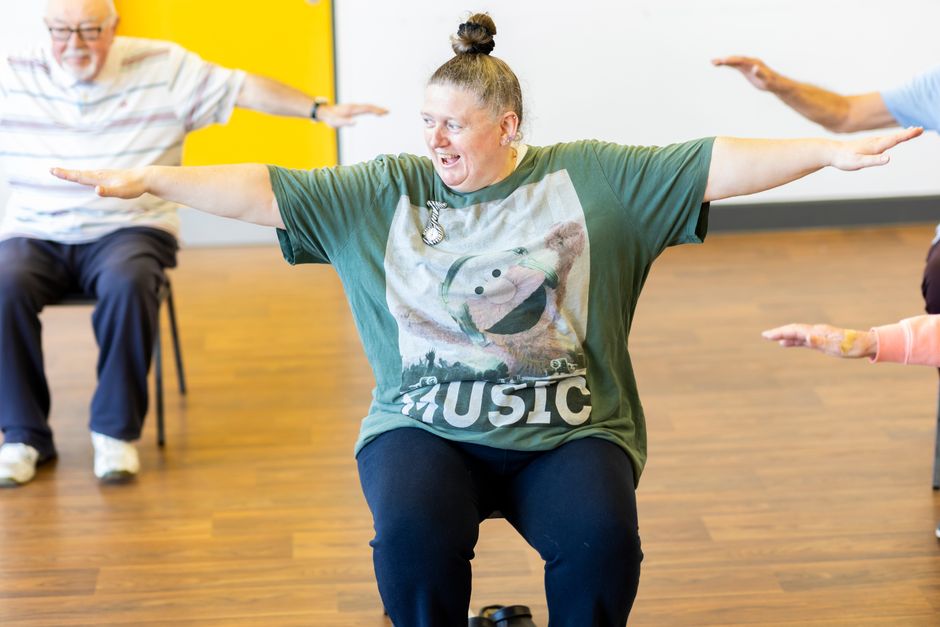
Building psychological resilience with small daily habits
Sydney mental health experts agree: fortress-like emotional strength isn't built in grand gestures, but in the quiet repetition of modest, everyday practices.
Sydney mental health experts agree: fortress-like emotional strength isn't built in grand gestures, but in the quiet repetition of modest, everyday practices.
In the midst of Sydney's perpetual hustle—from the morning commute through Strathfield to evening drinks in Surry Hills—it's easy to assume that managing stress requires dramatic lifestyle overhauls. Yet emerging research suggests otherwise. Psychological resilience, the ability to bounce back from setbacks and navigate uncertainty, is cultivated through consistent, incremental habits rather than transformative leaps.
The premise is simple: small acts compound. A five-minute meditation in Centennial Parklands before work, a deliberate phone-free breakfast, or a single conscious breath during a frustrating meeting each rewires the nervous system incrementally. Over weeks, these micro-practices strengthen emotional reserves in ways that grand wellness retreats often cannot.
Consider the local landscape. Bondi Beach's coastal runners and Manly's walking community have long understood something psychologists now quantify: movement, particularly outdoors, is foundational to stress resilience. You needn't commit to marathon training. A twice-weekly 20-minute walk—whether along the coastal path or through your local suburb—demonstrably improves mood regulation and sleep quality.
Sydney's thriving meditation and yoga studios, concentrated in neighbourhoods like Surry Hills and Paddington, offer accessible entry points. Many studios offer drop-in classes at $20–$25 per session, making regular practice affordable for most. Yet equally powerful is the free habit: journaling three things you're grateful for each evening, or naming one emotion you experienced that day without judgment.
Sleep consistency forms the bedrock. Neuroscience increasingly links erratic sleep—common in our always-on culture—to diminished emotional resilience. Setting a non-negotiable bedtime, even by just 15 minutes earlier, recalibrates the brain's stress-response systems over time.
Social connection, too, is a small habit with outsized returns. Brief, regular contact with trusted friends—a coffee catch-up in Glebe, a voice call during your commute—acts as a psychological buffer. One recent study found that just 10 minutes of meaningful conversation weekly reduced anxiety markers.
The most resilient individuals aren't those who never experience stress; they're those who've systematised tiny, non-negotiable practices that keep their emotional foundations steady. In a city as demanding as Sydney, where external pressures mount relentlessly, the counterintuitive truth holds: psychological fortress-building happens not through heroic effort, but through the quiet, consistent repetition of small, deliberate choices.
For personalised mental health support, consult a local GP, psychologist, or contact Lifeline on 13 11 14.
This article was compiled by AI from the sources linked above and screened before publishing. See our editorial standards.
How does this story make you feel?
Spread the word
About this article
Published by The Daily Sydney
Daily brief
Free, in your inbox before 7am. Weekdays.
More in Wellness