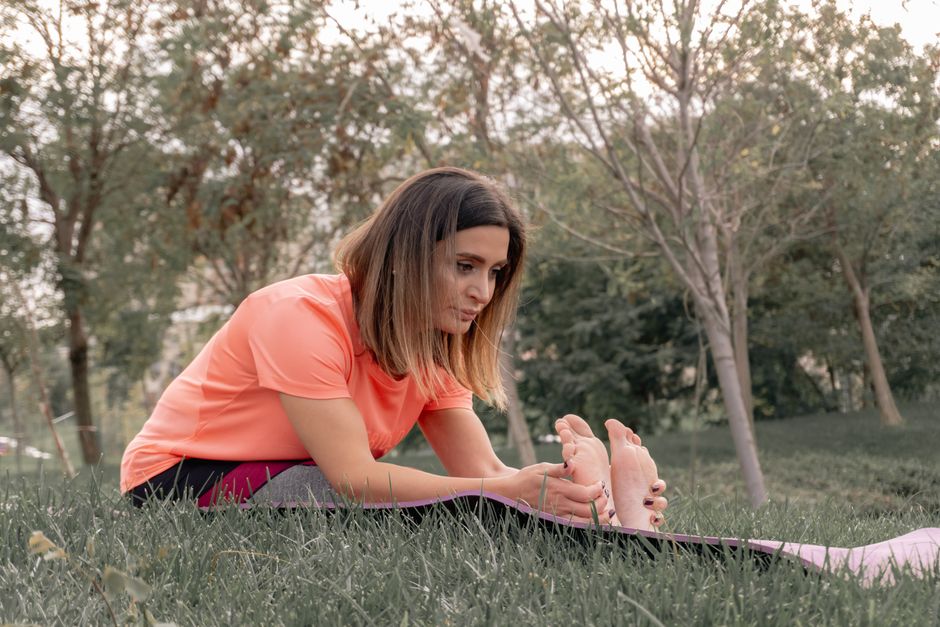
Attendance at outdoor yoga sessions in the Jardin des Tuileries has climbed roughly 40 percent over the past two years, according to figures compiled by Paris Yoga Festival organisers ahead of their September 2026 edition. That single statistic tells a bigger story: the French capital has quietly become one of Europe's most active wellness cities, and the shift is reshaping how residents think about physical and mental health alike.
The timing matters. Across the northern hemisphere, extreme heat records have rattled public health systems and sent urban planners scrambling to rethink green space. Wellness researchers at institutions including the Global Wellness Institute — which pegged the worldwide wellness economy at $6.3 trillion in 2023 — have consistently flagged stress, climate anxiety and burnout as the primary drivers pushing new demographics toward meditation and mind-body practices. Paris is no exception. The city's famously pressured work culture and post-pandemic mental health reckoning have pushed holistic wellbeing from the fringes of bohemian arrondissements into the mainstream.
From the Seine to the Studio Floor
Two venues illustrate how far this has come. Le Tigre Yoga Club, with its flagship location near the Canal Saint-Martin in the 10th arrondissement, has expanded from two weekly classes in 2019 to more than 80 per week across three Paris sites. Monthly memberships run around €85 — comparable to a mid-range gym subscription — and the club reports wait-lists for its Saturday morning meditation sessions. Meanwhile, the city-funded Paris en Forme programme, which organises free fitness and yoga events along the Berges de la Seine each summer, drew an estimated 120,000 participants in 2025, up from around 90,000 the previous year. The riverbank between Pont de l'Alma and Pont d'Iéna has essentially become Paris's largest open-air studio from June through August.
Meditation apps tell a parallel story. Petit Bambou, the Paris-based mindfulness platform founded in 2014, announced in early 2026 that it had surpassed five million registered users across France, making it the country's dominant meditation app by a wide margin. Its growth curve has outpaced European competitors based in London and Berlin. France's universal healthcare framework has nudged this further: since 2022, certain anxiety-related mindfulness programmes have been eligible for partial reimbursement under the Sécurité Sociale system when prescribed by a general practitioner — an arrangement virtually unheard of in most peer economies.
Holistic Wellbeing Beyond the Mat
The picture is not uniformly rosy. Accessibility remains uneven. Premium studios in Saint-Germain-des-Prés charge drop-in rates of up to €30 per class, pricing out significant portions of the city. Community centres in the 18th and 20th arrondissements run subsidised programmes, but waiting lists stretch months. Practitioners at associations like Yoga Pour Tous, which operates out of the Maison des Associations in the 13th, argue that the wellness industry risks becoming another vector of social inequality if municipalities don't actively fund access in working-class neighbourhoods.
Globally, the comparison is instructive. New York's SoulCycle-and-boutique-fitness model is heavily commercialised and largely decoupled from public health infrastructure. Tokyo's approach leans on corporate wellness programmes rather than civic ones. Paris sits somewhere between the two: a robust private market coexisting with genuine public investment, anchored by a healthcare model that at least nominally treats mental wellbeing as a systemic concern rather than a personal luxury.
For Parisians looking to engage, the most practical entry point this summer remains free. Paris en Forme sessions run Tuesday and Thursday mornings along the Berges de la Seine through the end of August, no registration required. The Bois de Boulogne hosts guided outdoor meditation through the association Respire Paris on Sunday mornings at 9h00. Anyone exploring more structured practice — particularly those managing chronic stress or sleep issues — would do well to discuss options with their médecin traitant first, given the reimbursement pathways now available under French healthcare. The mat is out. The question is whether Paris can keep it accessible for everyone.