More than 400,000 registered runners now call the Île-de-France region home, according to the Fédération Française d'Athlétisme's 2025 annual census — a 22 percent jump from 2020. On any given Saturday morning, the quays along the Rive Gauche between Pont de l'Alma and Pont d'Iéna fill up before 8 a.m. with a mix of lycra-clad regulars, weekend joggers and tourists who've swapped their museum queues for something rather more aerobic. The Seine riverbank running path, stretching roughly 9 kilometres on the Left Bank alone, has become one of the city's de facto fitness corridors.
The timing matters. Global heat records, shifting work patterns after years of remote and hybrid schedules, and a growing body of evidence linking cardiovascular exercise to mental health outcomes have pushed outdoor fitness up public health agendas from London to Tokyo. France's universal healthcare model — notably its remboursement system, which since January 2025 has allowed GPs to prescribe up to eight supervised sport sessions per year on the Carte Vitale — gives Parisians a structural nudge that residents of many other capitals simply don't have. That policy shift, relatively low-profile when it launched, is now quietly filling weekend group runs across the arrondissements.
Where Parisians Actually Go
The Bois de Boulogne remains the gold standard. Its 35 kilometres of dedicated running and cycling paths wind through lakes, gardens and horse-racing terrain near the 16th arrondissement, drawing an estimated 13,000 visitors on an average Sunday. The Bois de Vincennes on the eastern edge of the city offers a slightly less manicured, arguably more democratic alternative — wider trails, fewer luxury sportswear advertisements, and a longer loop around Lac Daumesnil that regulars clock at just under 5 kilometres. Both parks have seen portable water stations added in summer 2025, a response to the city's updated Plan Canicule following several consecutive years of July heat stress.
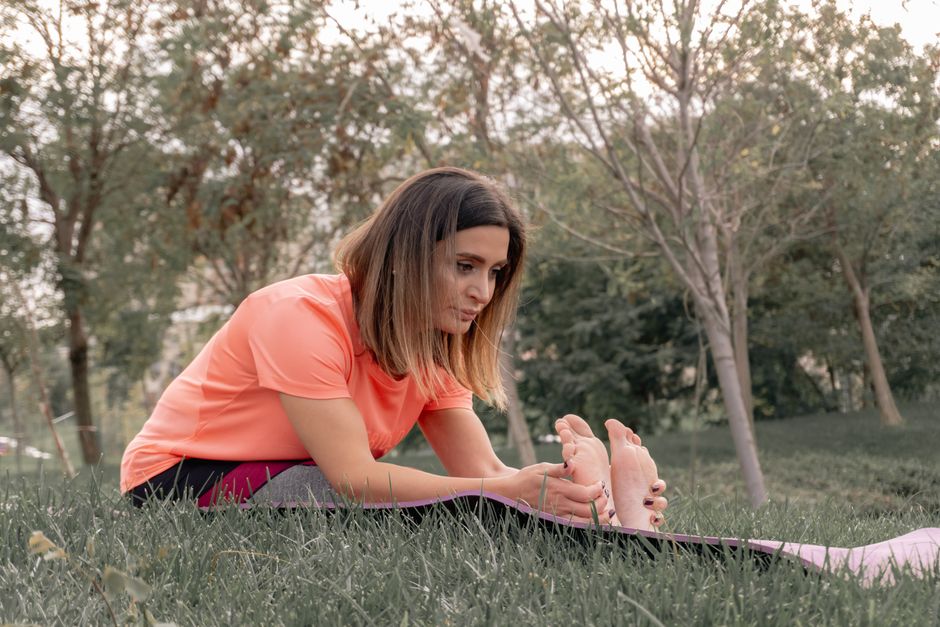
Closer to the centre, the Tuileries Garden hosts the Paris Yoga Outdoor programme every Tuesday and Thursday morning from June through September — sessions run €8 per class or €55 for a ten-session carnet, bookable through the Mairie de Paris app. The Coulée Verte René-Dumont, an elevated greenway stretching from Bastille through the 12th arrondissement, offers nearly 5 kilometres of car-free running above street level, its tree canopy making it a genuine respite when the city bakes. Strava's 2025 activity data ranked it among the top 15 urban running segments in Europe by total logged runs.
Local Uptake vs the Global Curve
Internationally, outdoor fitness participation surged after 2020 and has not meaningfully retreated. The Global Wellness Institute's March 2026 report valued the outdoor fitness market — trails, parks, urban running infrastructure — at $248 billion globally, up from $187 billion in 2022. Cities including Amsterdam, Copenhagen and Berlin have invested heavily in dedicated greenway networks. Paris, which completed its Plan Vélo 2026 infrastructure rollout ahead of schedule last autumn, has largely let its historic parks do the heavy lifting rather than building new dedicated running corridors from scratch.
That approach has its critics. Paris Runners Association, a volunteer club based in the 11th arrondissement with roughly 1,200 members, has lobbied the Mairie since 2024 for additional lit running paths in the northern arrondissements — the 18th and 19th in particular — where green space per capita trails the city average by a factor of nearly three. A feasibility study commissioned by the Direction des Espaces Verts is expected before the end of 2026.
For those getting started, the practical picture is straightforward. The Seine towpaths between Bercy and the Musée d'Orsay are flat, well-lit and accessible year-round. Parkrun Paris, which operates free 5km timed events every Saturday at 9 a.m. in the Parc de la Villette in the 19th arrondissement, requires only a free registration at parkrun.fr. France's prescriptive sport-santé scheme means your local médecin traitant may already have options to discuss. As always, anyone beginning a new exercise programme should check with a healthcare professional first — Paris has no shortage of them.