The Science Behind Mindfulness: What It Actually Does to the Brain
Detailed brain scans and Paris-based researchers are demystifying why mindfulness and meditation have tangible effects on stress, memory and mood.
Detailed brain scans and Paris-based researchers are demystifying why mindfulness and meditation have tangible effects on stress, memory and mood.
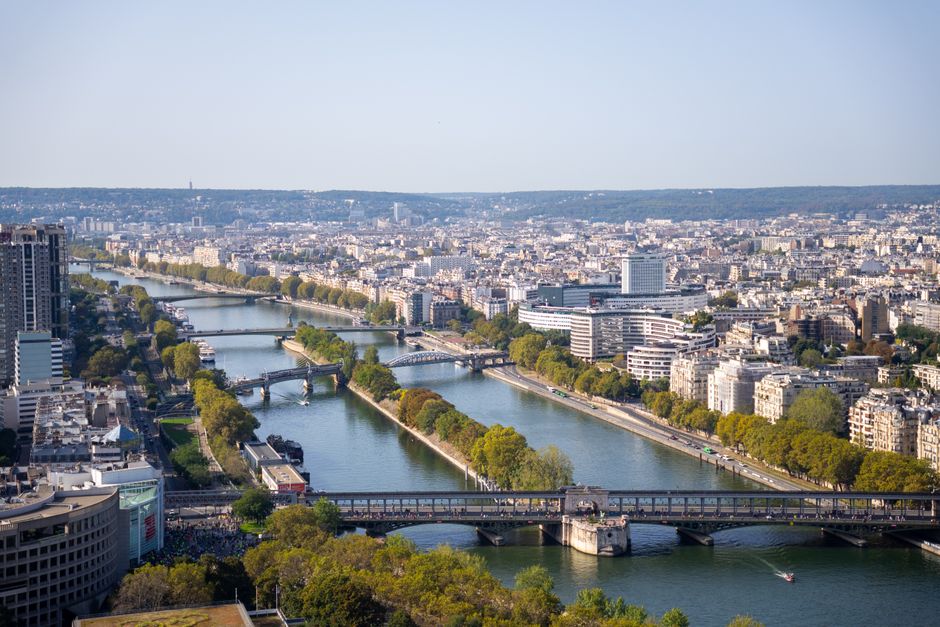
New research from Paris’s Université de la Sorbonne is shedding light on the brain-altering impact of regular mindfulness and meditation, providing local practitioners with scientific evidence that these centuries-old practices do more than simply foster a fleeting sense of calm.
The data arrives as mindfulness gains fresh prominence in the city, with an uptick in sign-ups for open-air meditation classes from Parc des Buttes-Chaumont to Jardin des Plantes, and a surge in app downloads among urban professionals feeling the summer’s relentless pace. Increased attention on mental health this July—spurred by ongoing national campaigns and record heat-induced stress levels—has many Parisians seeking sanctuary in practices validated by science rather than Instagram trends.
In the 5th arrondissement, the Centre de Méditation de Paris has seen registration double for its 8-week mindfulness-based stress reduction (MBSR) courses since spring. Organisers point to growing public curiosity about what, precisely, meditation does inside the skull. Their workshops take place steps from Rue Monge, but it’s the brain’s grey matter drawing the most interest: local neuroscientists now routinely present MRI evidence at public events showing structural shifts in areas responsible for attention and emotion regulation after just 30 minutes of daily practice over eight weeks.
Avenue de Wagram’s reputable Espace City’zen Paris, which offers lunchtime mindfulness drop-ins at €12 a session, also integrates science talks into their yoga and breathwork afternoons. Instructors there hand out handouts summarizing clinical research, including a 2025 French study published in Brain & Behavior showing 18% increased prefrontal cortex activity, linked to higher decision-making capacity, among novice Parisian meditators after two months.
Urban Parisians, who reportedly average 36 hours of work-week stress according to INSEE’s 2025 wellbeing survey, seem to be responding to the evidence. The Sorbonne team used functional MRI to track 62 regular attendees of a mindfulness program at the Hôpital Sainte-Anne in the 14th. Their findings: after eight weeks, participants showed a 24% reduction in amygdala reactivity—a marker for reduced stress response—and thicker left hippocampi, the brain region associated with memory consolidation.
What’s more, local insurance group Harmonie Mutuelle has begun covering up to €150 per year in meditation-based therapy costs, starting this summer, citing a pilot programme where clients reported a 30% drop in self-scored anxiety levels after joining guided mindfulness sessions at Jardin des Tuileries.
Interest from schools and workplaces means guided meditations are easier to find than ever. The Maison de la Meditation near Place de la République posts free community sessions every Saturday at 10AM, and the Paris Mindfulness Association’s annual "Journée Pleine Conscience" returns to Les Halles on September 8th. Physicians at Clinique du Parc Monceau warn that while mindfulness can support brain health and stress management, it isn’t a replacement for clinical care—especially for those with diagnosed mental health disorders.
For anyone wondering if mindfulness is more than a fleeting fad, Parisian researchers point to the results now visible on brain scans. The advice from local experts: start small, with five minutes a day on a shady bench by the Seine, to let these subtle but profound changes take root.
How does this story make you feel?
Spread the word
About this article
Published by The Daily Paris
Daily brief
Free, in your inbox before 7am. Weekdays.
More in Wellness