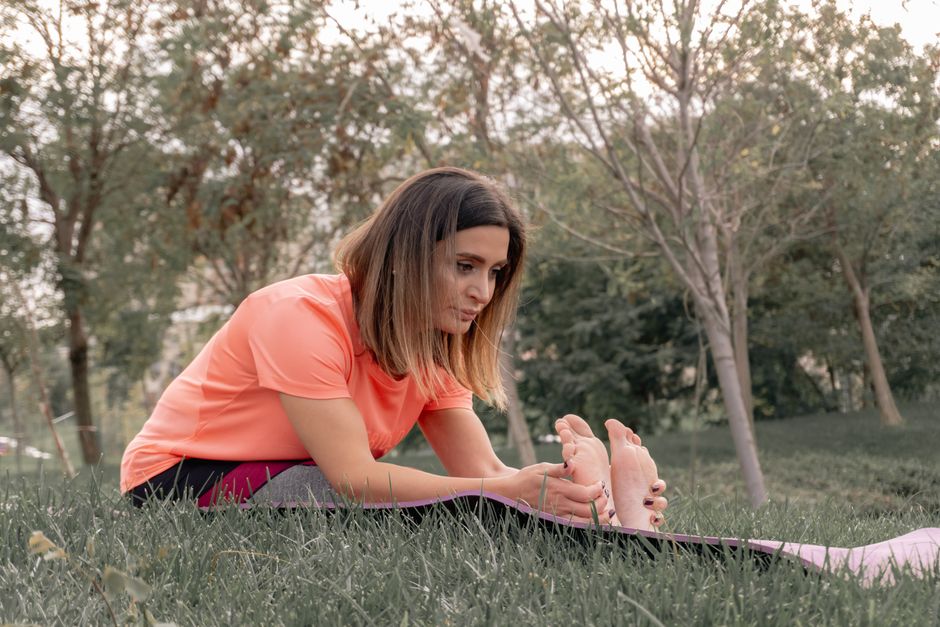
The Science Behind Mindfulness: What It Actually Does to the Brain
Researchers are moving well beyond the hype — here is what the neuroscience says, and where Parisians are putting it into practice.
Researchers are moving well beyond the hype — here is what the neuroscience says, and where Parisians are putting it into practice.
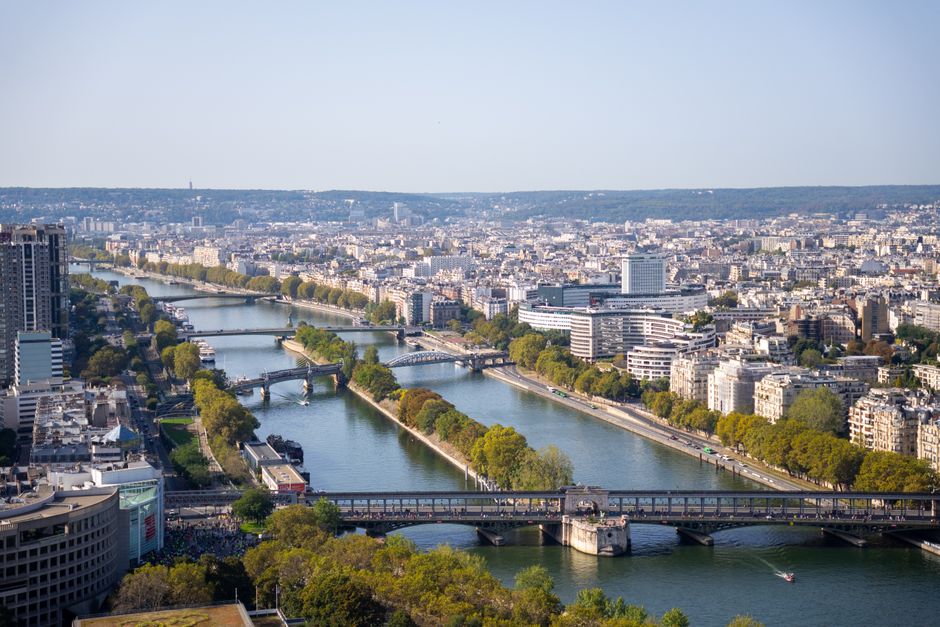
Eight weeks. That is how long it takes for a structured mindfulness program to produce measurable changes in the grey matter of the human brain, according to research published by Harvard Medical School. The finding, replicated in multiple subsequent studies, has helped shift mindfulness from wellness trend to clinical subject — and it is landing in Paris at a moment when the city's residents are paying serious attention to mental health.
The timing matters. France's national health insurer, the Assurance Maladie, reported in its 2025 annual review that anxiety and burnout-related sick leave had risen 18 percent over the previous three years, with Île-de-France accounting for the steepest climb. Summer heat records are compounding chronic stress. Against that backdrop, the question of whether meditation actually rewires the brain — or simply offers a pleasant half-hour — has become more than academic.
The short answer: several things happen, and they are distinct. Regular mindfulness practice thickens the prefrontal cortex, the region associated with attention regulation and decision-making. It simultaneously shrinks the amygdala — the brain's threat-detection centre — reducing its hair-trigger reactivity. A landmark 2011 study led by neuroscientist Sara Lazar at Massachusetts General Hospital showed these structural shifts after participants completed a standard Mindfulness-Based Stress Reduction (MBSR) course, typically eight weekly sessions of around 2.5 hours each plus daily home practice.
Separate neuroimaging work has tracked the default mode network, the cluster of brain regions that hum along when the mind wanders — often toward rumination and self-criticism. Experienced meditators show significantly less default mode activation during rest, which researchers associate with lower rates of depression. The data point that tends to stop people cold: a 2014 meta-analysis in JAMA Internal Medicine reviewed 47 randomised controlled trials involving 3,515 participants and found that mindfulness meditation programs produced moderate evidence of improvement in anxiety, depression and pain. Not a cure, but a consistent and reproducible effect.
Cortisol, the stress hormone, also responds. Studies published in the journal Psychoneuroendocrinology have recorded measurable drops in cortisol levels after eight-week MBSR programmes, which partly explains why practitioners report better sleep and lower perceived stress — not wishful thinking, but biochemistry.
Paris has a growing infrastructure for this. The Centre Mindbody, based in the 11th arrondissement on rue de la Roquette, runs MBSR courses certified to the international standards set by the Center for Mindfulness at UMass Medical School. An eight-week programme there costs approximately €380, which some complementary health mutuelle policies partially reimburse — worth checking with your insurer before you enrol.
More accessible entry points exist. Les Jardins du Palais Royal host free guided meditation sessions on Tuesday and Thursday mornings throughout July, organised by the association Paris Méditation, which has operated in the city since 2018. In the 16th arrondissement, the Bois de Boulogne's Carrefour des Cascades area has become an informal gathering point for mindful walking groups on weekend mornings, a practice that combines the attention-training of formal meditation with gentle cardiovascular movement along shaded gravel paths. For those who prefer a studio, Yoga District on rue du Temple in the Marais offers a dedicated 30-day introduction to seated meditation for €65, starting each September.
The Tuileries garden, meanwhile, hosts outdoor yoga and breathwork sessions through the Paris en Été programme running until August 17 — free to attend, no reservation required.
The practical advice from clinicians is consistent: start with ten minutes daily rather than attempting marathon sits, use a structured programme if anxiety is the primary concern, and treat it as a skill requiring repetition rather than a switch to flip. The Assurance Maladie's own mental health portal, Mon Soutien Psy, now lists mindfulness as a recommended adjunct for mild-to-moderate anxiety, though it stops short of formal reimbursement for standalone meditation courses.
If you are considering mindfulness for a specific health condition, speak with your médecin traitant first. The science is solid enough to take seriously — and specific enough that the approach you choose should match your actual needs.
How does this story make you feel?
Spread the word
About this article
Published by The Daily Paris
Daily brief
Free, in your inbox before 7am. Weekdays.
More in Wellness