More than 400,000 runners now lace up in the Île-de-France region on any given weekend, according to the Fédération Française d'Athlétisme's 2025 participation survey. That figure has climbed 34 percent since 2020. The surge is not incidental. It tracks a documented global shift toward outdoor exercise that accelerated post-pandemic and shows no sign of reversing—even as urban heat, hormonal health debates and screen fatigue reshape why people step outside in the first place.
The timing matters. Cities worldwide are grappling with record summer temperatures that are compressing the comfortable window for outdoor exertion. Heat management is fast becoming central to how urban fitness infrastructure gets planned and used. Paris, with its relatively dense tree canopy along the Quai de la Tournelle and the Boulevard de Sébastopol, has a thermal edge over many European capitals—but residents and planners alike are paying closer attention to route shade, water access and the sheer meteorological logic of a 6am run versus a noon one.
Where Parisians Actually Go
The Seine riverbanks remain the axis of the city's running culture. The Berges de Seine on the Left Bank, between the Pont de l'Alma and the Musée d'Orsay, offers a flat 2.3-kilometre stretch that the Mairie de Paris officially pedestrianised in 2013 and has since expanded. On weekday mornings the path fills before 8am; on Saturday it functions less like a trail and more like a moving social club. The Voie Georges Pompidou on the Right Bank mirrors this, though its integration into cycling lanes creates occasional friction between runners and the city's 23,000 Vélib' self-service bikes.
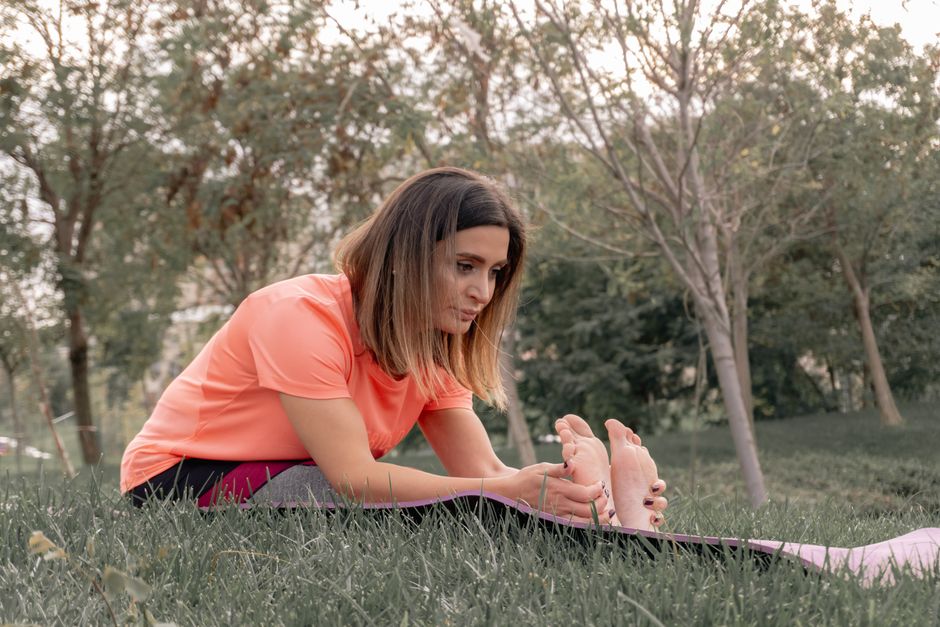
The Bois de Boulogne, on the western edge of the 16th arrondissement, draws a different crowd: longer distances, more serious pace groups, weekend trail-running clubs. Paris Running Tours, which operates out of the 4th arrondissement near the Hôtel de Ville, now runs six guided fitness routes each week and reported a 41 percent increase in foreign participants during the first half of 2026—a figure that reflects both the city's tourism draw and a broader international appetite for destination fitness. The Tuileries Garden has meanwhile become the default venue for outdoor yoga sessions, with at least four independent operators running morning classes against the backdrop of the Louvre pyramid from April through September, most charging between €12 and €18 per session.
Local Uptake in a Global Frame
Globally, the outdoor fitness economy was valued at approximately €18.4 billion in 2025 by the European Active Leisure Network, with France ranking fourth in participation rates across the EU. What distinguishes Paris from, say, Amsterdam or Copenhagen is the density problem: 2.1 million residents packed into 105 square kilometres means that peak-hour trail congestion is a genuine deterrent for new runners. The city's Plan Vélo 2021–2026, which allocated €250 million to cycling infrastructure, has indirectly benefited runners by separating foot traffic from cycles on key riverside routes—a design decision that wellness researchers at Sciences Po Paris have cited as a replicable urban model.
France's universal healthcare framework adds another layer. GPs operating under the Sécurité Sociale system can now formally prescribe physical activity under a 2022 decree—the so-called Sport sur Ordonnance programme—with patients referred to accredited outdoor fitness instructors at reduced co-payment rates. Uptake has been uneven, but in Paris's 13th and 19th arrondissements, local health centres have built referral pipelines directly to park-based programmes. Anyone curious about whether that pathway applies to them should speak with their médecin traitant.
The practical upshot for anyone arriving in Paris this July: early morning is the window, shade is the variable, and the infrastructure is better than its reputation. The Coulée Verte René-Dumont, an elevated greenway stretching 4.5 kilometres from the 12th arrondissement toward the Bois de Vincennes, remains one of Europe's most underrated running corridors—quieter than the Seine banks, cooler under its planted canopy, and accessible from the Gare de Lyon in under ten minutes on foot. Download the Paris Urban Trail app, check the Météo-France heat index before you go, and start before 8am. The city rewards the early riser.