Summer in Paris arrives with a particular cruelty this year. July temperatures are pushing past 35°C, the Métro is a furnace by midday, and a survey published in June by Santé Publique France found that 41 percent of French adults reported feeling persistently overwhelmed — up six points from 2023. The mental health system, long underfunded relative to the country's celebrated universal healthcare framework, is under pressure. But a clutch of public services and neighbourhood facilities are quietly expanding their capacity right now, and most Parisians have never heard of them.
The timing matters. Chronic stress without intervention compounds into clinical anxiety and depression, conditions that cost the French economy an estimated €22 billion annually in lost productivity, according to a 2024 INSERM report. General practitioners inside the Sécurité Sociale system are the standard first port of call, but wait times for a specialist referral can stretch to three months in dense arrondissements. Several organisations have spent the past two years building faster on-ramps.
The Walk-In Option Nobody Is Talking About
The Centre Médico-Psychologique (CMP) network, run under the Assistance Publique – Hôpitaux de Paris umbrella, operates 23 walk-in or low-barrier consultation points across the city. The CMP du 10e, on Rue du Faubourg-Saint-Martin, accepts adults without a referral and offers an initial appointment — typically with a psychologist or psychiatric nurse — within two weeks. Consultations are covered at 100 percent under the Affection Longue Durée designation for recognised mental health conditions, and sliding-scale arrangements exist for those without full coverage. The centre is open Monday through Friday, 9 a.m. to 5 p.m.
For younger adults and students, the Maison des Adolescents de Paris, headquartered near the Hôpital Cochin in the 14th arrondissement, extended its upper age limit to 25 in January 2026 and added two dedicated stress and burnout counsellors. Sessions are free. Referrals come via a GP, a school médecin, or simply by showing up.
The nonprofit Nightline France runs a free, anonymous listening line — 01 88 32 12 32 — staffed entirely by trained volunteer students, operating 9 p.m. to 2:30 a.m. seven nights a week. It launched its first French-language service in Paris in 2018 and has fielded more than 60,000 contacts since. The line is particularly active in the first two weeks of July, when academic-year stress peaks for those awaiting exam results.
Mindfulness Where the City Breathes
Formal clinical care is only part of the picture. Research published in JAMA Internal Medicine established that eight weeks of structured mindfulness practice produces measurable reductions in cortisol levels — the body's primary stress hormone. Paris has several low-cost access points to exactly this kind of practice.
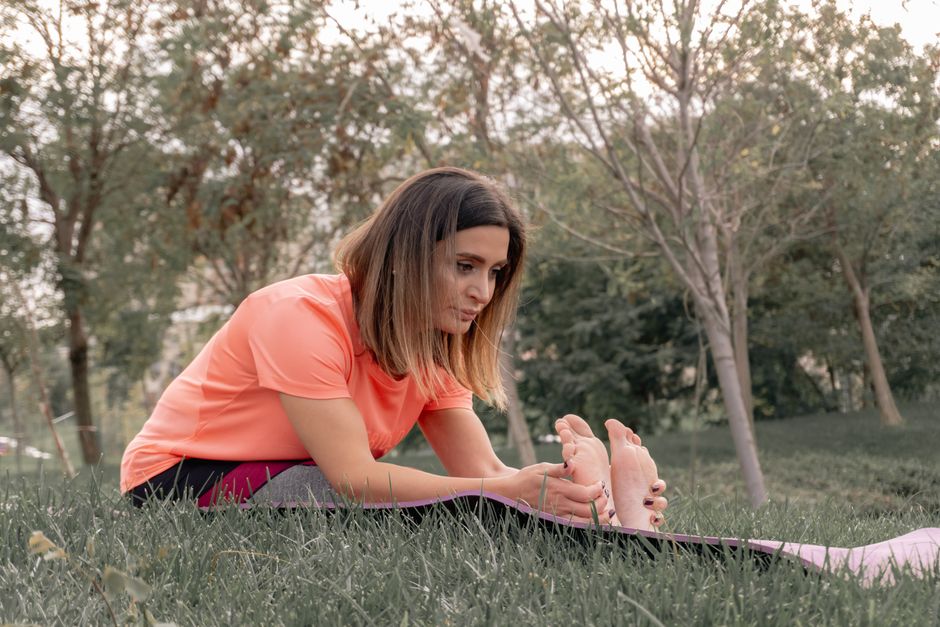
The Association Paris Zen has offered free guided meditation sessions in the Jardin des Tuileries every Saturday morning at 8 a.m. since April, running through to the end of September. No registration is required; participants gather near the Bassin Octogonal at the garden's western end. The sessions are 45 minutes and blend breath-focused concentration with gentle movement — practical enough for someone who has never meditated before.
Along the Seine's right bank between the Pont de Sully and the Pont d'Iéna, the Voies sur Berges pedestrian and cycling corridor has become an informal wellness corridor since cars were permanently excluded in 2016. The Mairie de Paris added two outdoor fitness and stretching stations between the Pont de la Tournelle and the Pont Louis-Philippe in 2025, and several independent yoga instructors hold public pop-up classes there on weekday evenings, typically charging €5 to €8 per session, payable by Lydia or cash.
For cycling-as-therapy — and the evidence for aerobic exercise in reducing anxiety symptoms is substantial — the Bois de Boulogne's 14 kilometres of dedicated bike lanes are accessible via Vélib' stations at Porte Maillot and Porte Dauphine. A day pass costs €5 for a classic bike.
The practical starting point, for anyone feeling the weight of this particular summer, is a call to your médecin traitant to request a CMP referral. If the wait feels impossible, the Nightline number or a Saturday morning at the Tuileries costs nothing and can bridge the gap. Paris's mental health infrastructure is imperfect — but it is bigger than most people know.