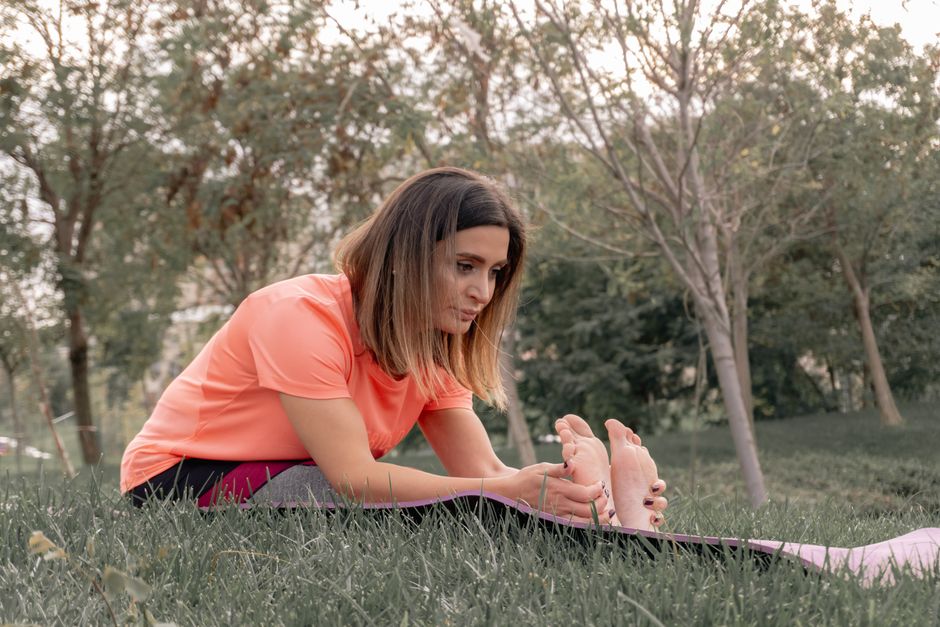
On a Tuesday morning in late June, the gravel path along the Quai de Valmy in the 10th arrondissement was already busy before 7 a.m. — runners, cyclists, a loose circle of people doing breathwork beside the Canal Saint-Martin. These are not wellness tourists. They are residents who, in the past two to three years, have made a deliberate decision to treat public space as medicine. And they are getting results.
Stress-related illness is now France's second leading cause of workplace absenteeism, according to figures published by the Institut National de Recherche et de Sécurité in early 2026. Roughly 3.2 million French workers reported burnout symptoms in the 12 months to April 2026, costing employers an estimated €3.1 billion in lost productivity. Mental health waiting lists at private Paris practices run to eight weeks or longer in many arrondissements. Against that backdrop, something quieter — and cheaper — has been gathering force in the city.
Neighbourhood Rituals That Stick
The association Respire Paris, headquartered on the Rue de la Roquette in the 11th arrondissement, launched its free outdoor mindfulness programme in March 2024 with 40 participants. By this summer it had 900 people on its weekly roster, gathering at rotating locations including the Jardin de Bercy, the Promenade Plantée and the lawns of the Parc des Buttes-Chaumont. The model is simple: a trained facilitator leads a 45-minute session combining body-scan meditation and guided breathing, all free to attend, with a suggested donation of €2 to cover logistics.
Several participants credit the sessions — and the community around them — with changes their therapists had spent years trying to achieve. One regular attendee, a 38-year-old graphic designer from Belleville, described dropping four blood-pressure points on her last GP check after six months of consistent attendance. She had been on waiting lists for cognitive behavioural therapy for 14 months. The outdoor group, she said, gave her something to do in the meantime that actually worked.
The Bois de Boulogne has its own informal network — a weekend cycling collective that began as a WhatsApp group in the 16th arrondissement during the post-pandemic period and now draws around 120 riders on Saturday mornings. Participants meet at the Porte Maillot entrance by 8:30 a.m. Fitness aside, members consistently describe the social accountability as the active ingredient. Showing up for others, it turns out, makes it harder to cancel on yourself.
The System Bends to Meet People Where They Are
Paris's universal healthcare model has begun to formalise what was once entirely grassroots. The Maison de Santé Pluriprofessionnelle in the 13th arrondissement began trialling 'prescriptions sociales' — formal GP referrals to community wellbeing activities — in January 2026. The scheme, modelled on the social prescribing pilots that have run in parts of London since 2018, connects patients directly with programmes like Respire Paris rather than leaving them to navigate the system alone. Uptake has outpaced projections: 340 referrals issued in the first five months against a target of 200.
The Tuileries outdoor yoga sessions — offered free every Sunday morning by the city's Direction des Parcs et Jardins between April and September — drew 14,000 participants across the 2025 season. The 2026 programme began April 6 and runs until September 27.
None of this replaces professional mental healthcare, and anyone experiencing serious psychological distress should see their médecin traitant as a first step — France's coordinated GP system makes this the fastest route to specialist referral. What community practitioners and public health researchers increasingly agree on is that social connection, movement in green or blue spaces, and structured breathing practice are not soft alternatives to clinical care. They are, in many cases, what makes clinical care more effective when it arrives.
For Parisians prepared to act now rather than wait, the entry point is a postcode and a pair of walking shoes. The Canal Saint-Martin breathwork circle meets every Tuesday and Thursday at 7 a.m. under the footbridge at the Rue Bichat. No registration, no fee, just show up.