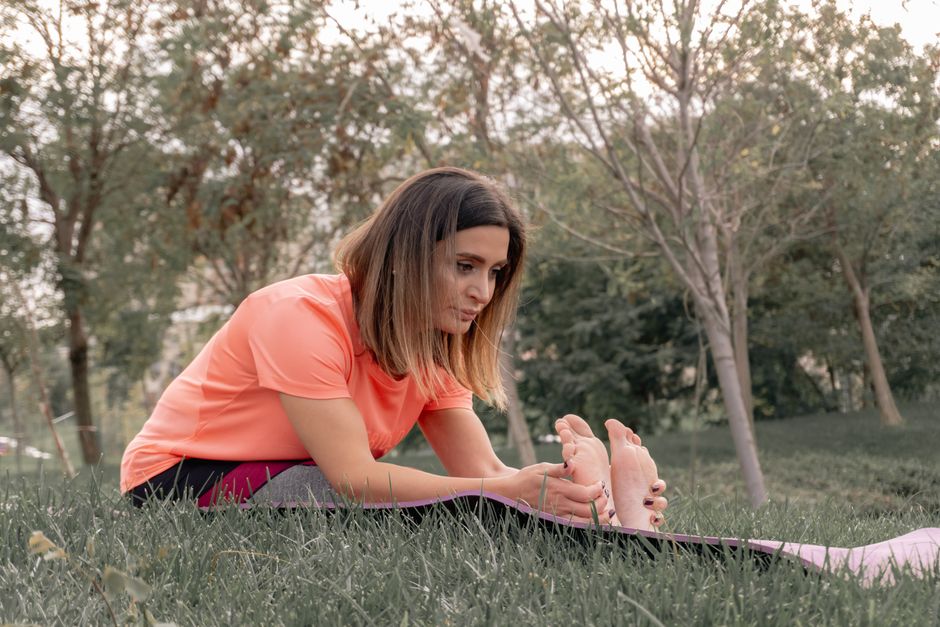
A growing body of peer-reviewed research is doing what decades of wellness marketing never quite managed: convincing physicians that yoga and meditation belong in the clinic, not just the studio. A 2024 meta-analysis published in JAMA Internal Medicine, covering 8,000 participants across 37 randomised trials, found that mindfulness-based interventions reduced systolic blood pressure by an average of 4.3 mmHg — a figure comparable to the effect of low-dose antihypertensive medication. For a country with universal healthcare coverage and a primary-care system under mounting pressure, that number matters.
France spent €272 billion on healthcare in 2024, according to the Drees national statistics agency. Chronic stress-related conditions — cardiovascular disease, anxiety disorders, sleep dysfunction — account for a disproportionate share of that total. Médecins généralistes across Paris are increasingly fielding questions about preventive, non-pharmacological interventions, and the science has finally given them something concrete to work with.
What the Research Actually Shows
The physiological case for yoga centres on the autonomic nervous system. Regular practice stimulates the vagus nerve, shifting the body from sympathetic dominance — the fight-or-flight state — toward parasympathetic recovery. Studies from the Institut National de la Santé et de la Recherche Médicale (INSERM) have examined cortisol regulation in meditation practitioners and found measurable reductions in morning cortisol peaks after eight weeks of daily 20-minute sessions. Cortisol, the primary stress hormone, is directly linked to inflammation, insulin resistance, and disrupted sleep architecture.
Structural brain changes are equally well documented. Neuroimaging research published in NeuroImage in 2023 confirmed increased grey matter density in the hippocampus and prefrontal cortex among long-term meditators — regions governing memory consolidation and emotional regulation. The practice does not merely feel calming; it rewires the hardware.
Yoga's physical dimension adds a separate layer of evidence. A 2025 review in the British Journal of Sports Medicine found consistent improvements in spinal flexibility, balance, and proprioception in participants who practised Hatha yoga three times weekly over 12 weeks. These gains are clinically relevant for older adults at risk of falls — a major driver of hospitalisation costs across Europe.
Paris as a Living Laboratory
The city's infrastructure makes holistic practice unusually accessible. The Tuileries Garden hosts free outdoor yoga sessions every Tuesday and Saturday morning throughout July and August, organised by the Paris Parks and Gardens department as part of the Paris en Été programme. Classes run at 9h on the central esplanade near the Jeu de Paume. On the Seine's Left Bank, the association Iyengar Yoga Paris, based on Rue Rambuteau in the 3rd arrondissement, offers a medically oriented curriculum that draws on therapeutic applications of the Iyengar method — a style developed specifically for structural alignment and rehabilitation.
The Bois de Boulogne adds a second dimension. Cycling on its 14-kilometre network of dedicated paths is itself an established mindfulness practice when done at low intensity — research from University College London in 2022 found that 30 minutes of steady-state outdoor cycling produced cortisol reductions equivalent to a guided meditation session. Several wellness coaches operating out of the 16th arrondissement now pair Bois de Boulogne morning rides with seated breathing work as a combined protocol.
Studio costs in Paris range from €18 for a drop-in class at mainstream venues like Tigre Yoga Club on Boulevard du Temple, up to €85 per session for specialist therapeutic yoga with a qualified kinésithérapeute who integrates movement with somatic meditation. Some Mutuelle top-up insurers, including Harmonie Mutuelle, reimburse a portion of yoga and meditation costs under bien-être preventive care provisions — worth checking your contract before July renewal season.
The practical takeaway is straightforward. Start with one of the free Tuileries sessions this month to assess what style suits you. Keep a simple log — resting heart rate each morning is easy to track and responsive to regular practice within four to six weeks. Then consult your médecin traitant; since 2022, French GPs have been able to prescribe activité physique adaptée on social prescription, meaning some structured programs qualify for partial reimbursement under the régime général. The science has done its part. The rest is showing up.