Stressed in Paris? Evidence-Based Tips That Actually Work for Local Conditions
From Seine-side running routes to neighbourhood meditation studios, science and the city align more than you might think.
From Seine-side running routes to neighbourhood meditation studios, science and the city align more than you might think.

Chronic stress levels among working Parisians have climbed sharply since 2023, with a national survey by Santé publique France recording that 41 percent of adults aged 25 to 49 report feeling psychologically overwhelmed at least twice a week — a figure that has barely moved despite growing public awareness campaigns. The data lands at a particular moment: July heat, holiday-planning anxiety, and packed Métro carriages on lines 13 and 4 combine into what stress researchers at the Université Paris Cité describe as a reliably difficult seasonal period for urban dwellers.
That context matters. Generic mindfulness advice written for suburban readers does not map cleanly onto a city of 2.1 million people living in roughly 105 square kilometres. What works here is specific, and the evidence base is richer than most people realise.
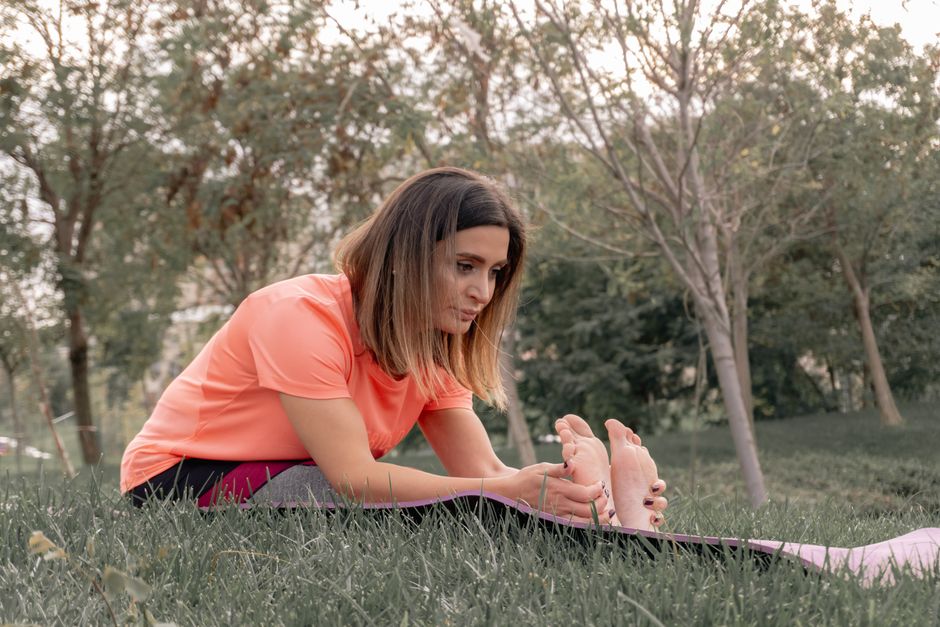
The single most robustly supported stress intervention in the clinical literature is not an app or a breathing exercise. It is sustained aerobic movement. A 2024 meta-analysis published in JAMA Psychiatry found that 150 minutes of moderate aerobic activity per week reduced clinically measured anxiety scores by an average of 48 percent — comparable to first-line pharmacological treatment in mild-to-moderate cases. Paris happens to be structurally well positioned to deliver exactly that. The 13-kilometre jogging path along the Voie Georges-Pompidou, which runs from the Trocadéro waterfront to the Pont de Sully, is free, tree-shaded in sections, and measurably cooler than surrounding streets during July afternoons. The Bois de Boulogne offers 22 kilometres of dedicated cycling paths and is reachable via the RER C for anyone not already in the 16th arrondissement. Neither requires a gym membership.
The Paris en Selle cycling advocacy group tracks modal shift data showing that daily cycle commuters in the city report significantly lower self-assessed stress than car or Métro commuters on comparable journey times. Their 2025 survey of 3,400 respondents put the gap at 23 percentage points on a standardised wellbeing scale. Anecdote becomes statistic: riding the Rue de Rivoli protected lane to work is not just practical, it is pharmacologically interesting.
Mindfulness practice has a branding problem. The word conjures expensive retreats and influencer aesthetics. The actual intervention — a consistent, brief, daily practice that trains attentional control — costs nothing and takes eight minutes. The Mindfulness-Based Stress Reduction protocol, developed at the University of Massachusetts in the 1970s and now validated across hundreds of trials, works best when anchored to an existing habit. Morning coffee on a Tuileries bench before 8 a.m., when the garden is still quiet and admission is free, provides exactly the kind of low-stimulation outdoor environment that facilitates what researchers call default mode network down-regulation — a recovery state the brain actively needs.
For those who want structured guidance, the Paris-based association Mindfulness Paris (based in the 11th arrondissement on the Rue de la Roquette) runs eight-week MBSR programmes for €320, which is fully eligible for partial reimbursement under the complementary health cover held by most French employees — check your mutuelle documentation before assuming otherwise. The Centre de Référence pour les Maladies Rares at Hôpital Lariboisière also offers psychology consultations subsidised under the French universal health scheme for patients with documented stress-related conditions. Your médecin traitant can provide a referral.
One practical recalibration many stress researchers recommend: treat social time as maintenance, not reward. The French 35-hour working week framework and legally protected lunch breaks exist partly for this reason. Using them consistently — genuinely leaving a desk for 45 minutes at noon, even to sit in the Place des Vosges with a sandwich — has measurable effects on afternoon cortisol curves, according to occupational health studies conducted across several Paris-region enterprises between 2021 and 2024.
None of this requires a dramatic lifestyle overhaul. Pick one riverbank route, block one lunch hour, find eight minutes in the morning. The city infrastructure is already built for it. For anything beyond general stress management — persistent insomnia, panic episodes, or low mood lasting more than two weeks — make an appointment with a local health professional rather than optimising your running playlist.
How does this story make you feel?
Spread the word
About this article
Published by The Daily Paris
Daily brief
Free, in your inbox before 7am. Weekdays.
More in Wellness