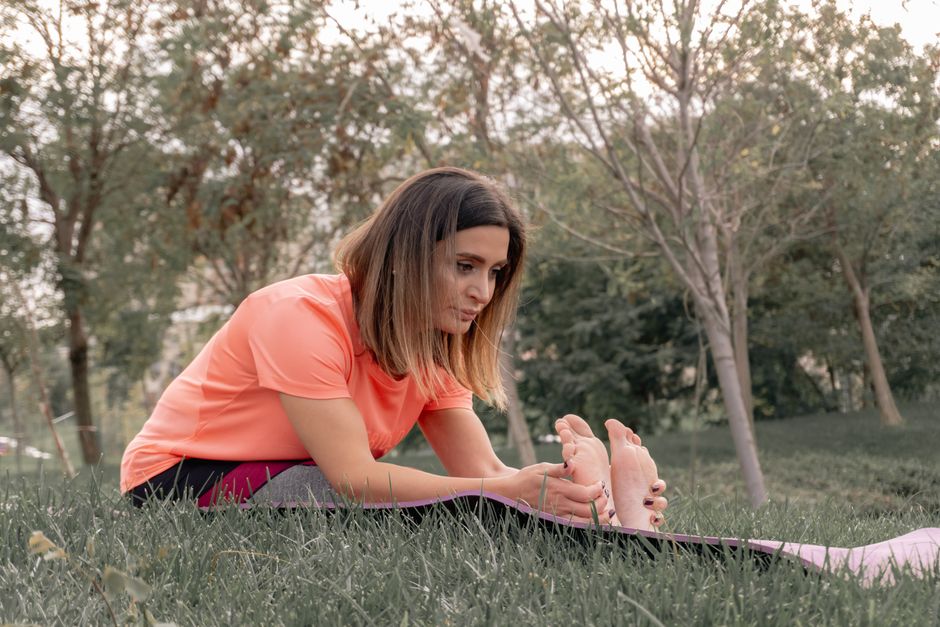
More Parisians are lacing up their trainers and heading outside than at any point in the past decade. A 2025 report by the Institut National de la Santé et de la Recherche Médicale (INSERM) found that 38 percent of French adults now engage in regular outdoor physical activity at least three times per week, up from 27 percent in 2019. In Paris alone, the Mairie de Paris recorded over 1.4 million individual uses of its free riverbank running paths along the Berges de la Seine in the first quarter of 2026.
The timing matters. Urban heat, crowded metro carriages, and a post-pandemic appetite for open space have collided to push outdoor fitness from lifestyle choice to something closer to public health strategy. Cities across Europe — London, Amsterdam, Copenhagen — have invested heavily in green corridors and cycle lanes since 2020, and Paris has moved aggressively to keep up. With global wellness industry revenues projected by the Global Wellness Institute to surpass $9 trillion by 2028, the question for any major city is no longer whether residents want to exercise outdoors, but whether the infrastructure can absorb the demand.
Where Parisians Actually Go
The Berges de la Rive Gauche, stretching roughly 2.3 kilometres between the Pont de l'Alma and the Musée d'Orsay, functions as the city's most democratic fitness corridor. On a weekday morning it draws a mix of commuter runners, retirees power-walking with Nordic poles, and parents pushing strollers at pace. Cyclists branch off toward the Voie Georges-Pompidou on the Right Bank, a former expressway that the city permanently pedestrianised in 2016 and which now handles an estimated 9,000 cyclists and pedestrians daily during summer months.
The Bois de Boulogne in the 16th arrondissement offers something the riverbanks cannot: shade, distance and terrain variation. Its 85 kilometres of marked trails attract serious trail runners from clubs including Paris Running Tour and the Foulées de Saint-Cloud. Saturday mornings see informal parkrun-style gatherings near the Lac Inférieur that, while not officially affiliated with the global Parkrun organisation, follow a similar free, timed 5km format. The Tuileries Garden, meanwhile, has hosted the city's free Yoga en Plein Air sessions every Tuesday and Thursday morning since May 2025, drawing up to 200 participants per session through a programme co-funded by the Mairie de Paris and the Fédération Française de Yoga.
Global Trend, Local Texture
The worldwide surge in outdoor fitness has a clear economic dimension. Gym memberships in Paris average €45 to €70 per month at chains like Basic-Fit and Neoness, a cost that has become harder to justify for younger residents squeezed by rents that hit a median of €32.50 per square metre in central arrondissements as of January 2026. Free outdoor alternatives carry obvious appeal. London's Royal Parks recorded 4.2 million running visits in 2025, while New York's Central Park running loop logged comparable figures. Paris is not an outlier — it is part of a consistent pattern across high-cost Northern Hemisphere cities.
What distinguishes Paris is how its universal healthcare framework quietly reinforces the trend. Since the Médecin traitant system allows GPs to issue ordonnances recommending physical activity — a formal mechanism expanded under a 2022 Santé Publique France initiative called Sport Santé sur Ordonnance — some patients effectively receive a prescription to use those free riverside paths. Around 180 GP practices in Paris and its inner suburbs were enrolled in the programme as of March 2026.
For anyone thinking about joining the movement, starting points are straightforward. The Berges de la Seine are accessible from the Pont de la Concorde or the Quai d'Orsay RER C stop, require no registration and are free seven days a week. The Paris Sportifs app, relaunched by the Mairie de Paris in April 2026, maps 214 free outdoor fitness sites across the city's 20 arrondissements including calisthenics parks, yoga lawns and marked running circuits. As always, consult your médecin traitant before beginning a new exercise regime, particularly in the warmer months when heat management on exposed riverbank paths becomes a real consideration.