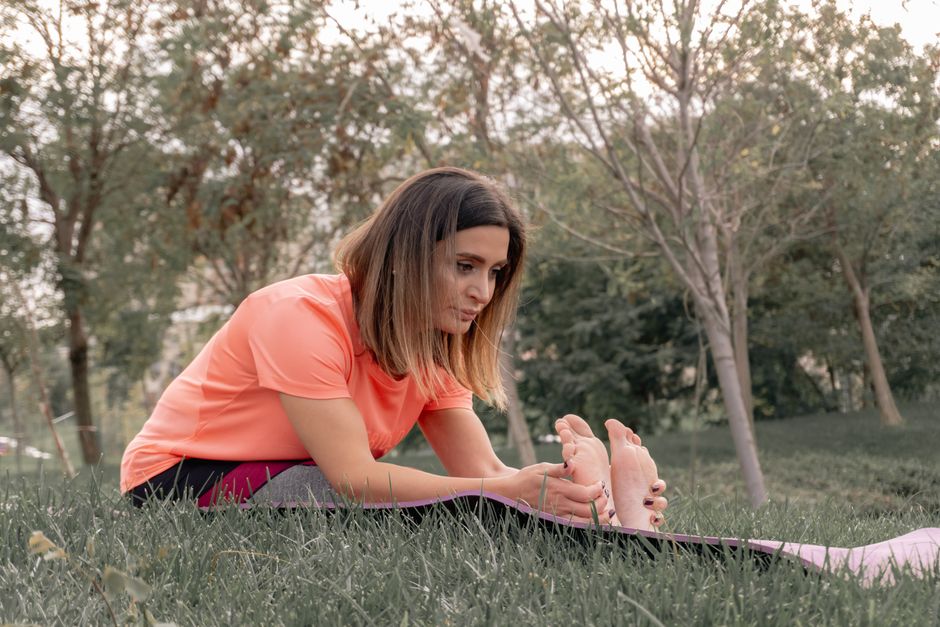
Outdoor yoga classes in the Jardin des Tuileries are fully booked three weeks in advance this summer. That single fact tells you something significant about where Paris sits right now in the global wellness conversation.
The timing matters. July 2026 arrives at a moment when climate records are shattering across the Northern Hemisphere, heat events are reshaping how cities think about public outdoor space, and a growing body of endocrinological research—much of it focused on hormones, stress response, and sleep quality—is pushing millions of people toward complementary health practices. The global wellness industry was valued at approximately €5.4 trillion in 2024, according to the Global Wellness Institute, and the mindfulness and meditation segment alone is projected to exceed €80 billion by 2027. Paris is not watching from the sidelines.
Where Parisians Are Actually Practising
The city's relationship with yoga has always been slightly different from London or New York. It arrived here later, took root in specific neighbourhoods—the Canal Saint-Martin in the 10th, the Marais, the streets around Rue Oberkampf—and developed a distinctly French character that resists the commercialised, athleisure-driven model dominant in Anglo-American markets. Studios here tend to be smaller, more curated, and often attached to broader philosophies around French preventive medicine.
Triyoga Paris, which opened its first permanent French location near Place de la République in 2022, now runs over 40 weekly classes and has a waiting list for its three-month membership packages, priced at €180 per quarter. The studio explicitly positions itself within France's universal healthcare framework, partnering with mutuelle insurers who increasingly recognise yoga therapy as a reimbursable adjunct treatment for anxiety and chronic back pain under select complementary health contracts.
Then there is the outdoor dimension. Paris Yoga Outdoor, a programme organised through the city's Direction des Espaces Verts, has offered free sessions in the Bois de Boulogne since 2019. This summer, it expanded to include guided morning meditation along the banks of the Seine near the Pont de Bir-Hakeim—a deliberate response to demand that the city's own surveys identified in late 2025, when 34 percent of Parisian respondents cited stress management as their primary motivation for taking up a new physical activity.
Global Trends, Local Realities
Globally, the wellness pivot has been accelerating since roughly 2022, when post-pandemic burnout statistics hit institutional healthcare systems hard. Germany introduced workplace meditation subsidies under its Betriebliche Gesundheitsförderung framework in 2023. Japan reported a 41 percent rise in mindfulness app subscriptions between 2023 and 2025. In Paris, the response has been more structural—and arguably more sustainable—because it is being woven into existing public health infrastructure rather than left to the private market alone.
France's Assurance Maladie does not yet reimburse standalone meditation sessions, but several Paris-based GPs in the 15th and 20th arrondissements have begun issuing formal prescriptions for structured mindfulness programmes under the broader category of non-drug therapies—a category that received updated clinical guidance from the Haute Autorité de Santé in March 2025. That shift is pulling yoga and holistic practice closer to the mainstream in a way that fashionable studios alone could never achieve.
The demographic picture is also shifting. Historically, Parisian yoga practitioners skewed female and between 30 and 45. Recent registration data from Centre Yoga Iyengar de Paris, on Rue Beautreillis in the 4th arrondissement, shows men now represent 28 percent of new enrolments—up from 17 percent in 2021. Demand among the over-60s has grown sharply too, driven partly by interest in yoga as a tool for joint mobility and cognitive health.
For anyone considering getting started, the practical entry points are real and affordable. The Tuileries programme runs Tuesday and Saturday mornings from June through September at no charge; registration opens via Paris.fr each Monday for the following week. The Bois de Boulogne sessions begin at 7h30 near the Lac Inférieur. For a more structured approach, most studios offer a two-week introductory pass—typically between €30 and €45—before any commitment. And as with any new health practice, a conversation with your médecin traitant first is worth the fifteen minutes.