Henri, 74, walks 6 kilometres every morning before the city wakes up. He starts at the Pont de l'Alma, traces the Seine's left bank south past the Musée d'Orsay, and doubles back before the first tourists arrive. Three years ago he couldn't manage the stairs at his apartment on the Rue du Bac without gripping the railing. He doesn't grip anything now.
His story is not unusual in Paris in the summer of 2026. Across the city's arrondissements, a quiet revolution in senior health is gathering pace — driven not by pharmaceutical programmes or government mandates, but by community groups, reclaimed public spaces, and a growing refusal among older Parisians to accept decline as inevitable. With Europe's population over 65 projected to represent nearly 30 percent of the continent's total by 2050, according to Eurostat's 2025 demographic report, what happens in the 16th or the 5th arrondissement matters far beyond the Périphérique.
Where the Movement Happens
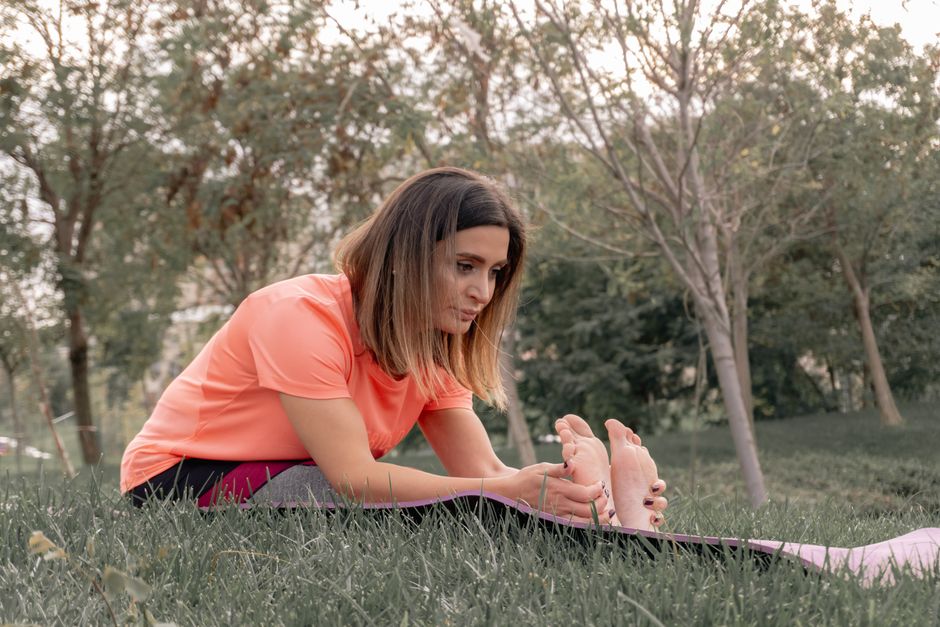
The Tuileries Garden hosts a free outdoor yoga programme every Tuesday and Thursday morning at 8 a.m. from May through September, run by the city's Mairie de Paris Parks and Sport initiative. Average attendance this summer: around 120 people, and the majority are over 60. The sessions focus on balance, hip mobility, and breath — exactly the physical capacities that deteriorate fastest with sedentary ageing, and the ones most associated with fall-related hospitalisations.
Falls are a genuine public-health crisis. In France, roughly 10,000 people over 65 die each year as a direct or indirect consequence of a fall, according to Santé Publique France's 2024 bulletin on accidental injury. The cost to the French healthcare system runs to approximately €2 billion annually. Anything that shores up balance and lower-body strength is, in clinical terms, not optional — it is preventive medicine.
The Bois de Boulogne has become a parallel hub. Paris Cyclistes Solidaires, an association based near the Porte Maillot entrance, runs adapted cycling sessions specifically for adults over 65 every Saturday morning between April and October. Membership costs €25 per year. They provide electric-assist bikes for participants who need them, and a certified instructor leads each group at a pace calibrated to the slowest rider. Several members joined after cardiac events; the programme coordinates informally with cardiologists at the Hôpital Européen Georges-Pompidou who recommend gentle aerobic activity as part of post-treatment recovery.
The Science Behind the Stories
There is nothing accidental about these outcomes. A 2023 meta-analysis published in The Lancet Healthy Longevity found that group-based physical activity for adults over 65 produced significantly better adherence rates — and greater functional improvement — than individually prescribed exercise. The social element, researchers concluded, was not peripheral. It was mechanistically important. Loneliness and social isolation accelerate physical decline through measurable inflammatory pathways; community exercise interrupts that process at the source.
France's universal healthcare model gives older residents relatively frictionless access to physiotherapy and GP-referred fitness programmes. The Mutualité Française, the network of non-profit health insurers covering about 38 million French people, has since January 2026 expanded reimbursement for what it classifies as "activité physique adaptée" — structured exercise prescribed by a physician for chronic-condition management. Sessions cost between €30 and €60 per hour from a certified practitioner, with partial reimbursement now available for patients over 60 with documented mobility conditions.
For those without a prescription, the entry points are simpler. The association Paris en Selle runs free group rides along the Canal Saint-Martin on Sunday mornings, welcoming riders of all ages. The Marche et Santé federation has a chapter in the 13th arrondissement that organises weekly Nordic walking sessions in the Parc de Choisy — no equipment required beyond a pair of walking poles, available to borrow at the trailhead.
If you are over 60 and considering where to start, the Mairie de Paris's Sport Pour Tous portal lists every free and low-cost programme by arrondissement. Your GP can also refer you to an APA specialist under the 2025 expanded reimbursement rules — ask specifically about a "bilan de condition physique" assessment, which maps your current mobility baseline and matches you to an appropriate programme. The riverbanks are there. The groups are meeting. The question is only which morning you decide to show up.