How Paris's Over-65s Are Staying Mobile: The Daily Habits That Actually Work
From dawn walks along the Seine to subsidised gym passes in the 15th arrondissement, older Parisians are rewriting what active ageing looks like on the ground.
From dawn walks along the Seine to subsidised gym passes in the 15th arrondissement, older Parisians are rewriting what active ageing looks like on the ground.

Paris's seniors are moving more than they have in a generation. Data published in June 2026 by the Caisse Nationale d'Assurance Maladie showed that adults over 65 who engaged in at least 150 minutes of moderate physical activity per week had a 23 percent lower rate of hospitalisation for cardiovascular events than sedentary peers. In a city where the average citizen already walks roughly 9,000 steps a day just running errands, the gap between the most and least active older residents is widening — and the habits separating them are surprisingly unglamorous.
The urgency is real. France's national statistics institute INSEE projects that by 2030, one in four Parisians will be over 60. The city's healthcare system, while robust, is not infinitely elastic. Keeping older adults out of hospital waiting rooms is not just a personal health goal; it is municipal budget policy. The Paris city government's Plan Paris Seniors 2025–2030, launched last autumn, explicitly targets mobility preservation as its first pillar, allocating €47 million over five years toward neighbourhood-level programming.
Walk along the Berges de la Seine on any morning before 8 a.m. and the pattern is unmistakable. Older residents — many of them retired, many alone — move in steady, deliberate loops between the Pont de l'Alma and the Musée d'Orsay. Some carry Nordic walking poles, a technique promoted since 2022 by the Paris chapter of the Fédération Française de Randonnée Pédestre, which runs free introductory sessions every Saturday at 9 a.m. from the Trocadéro esplanade. The poles reduce knee joint load by up to 30 percent, according to research cited in the federation's public literature — a meaningful figure for anyone managing early osteoarthritis.
In the Bois de Boulogne, the story is cycling. The city's Vélib' Métropole network introduced an electric-assist tier specifically calibrated for riders over 60 in March 2025, priced at €8.30 a month for holders of the Paris Seniors card. Uptake has been steady in the 16th arrondissement, where the bois is most accessible. Regulars describe riding 30 to 45 minutes on weekday mornings before the tourist crowds arrive, looping the lake at Lac Inférieur and returning home. The e-assist option means hills are no longer a deterrent, and the metabolic benefit — sustained low-intensity aerobic effort — is well established in sports medicine literature.
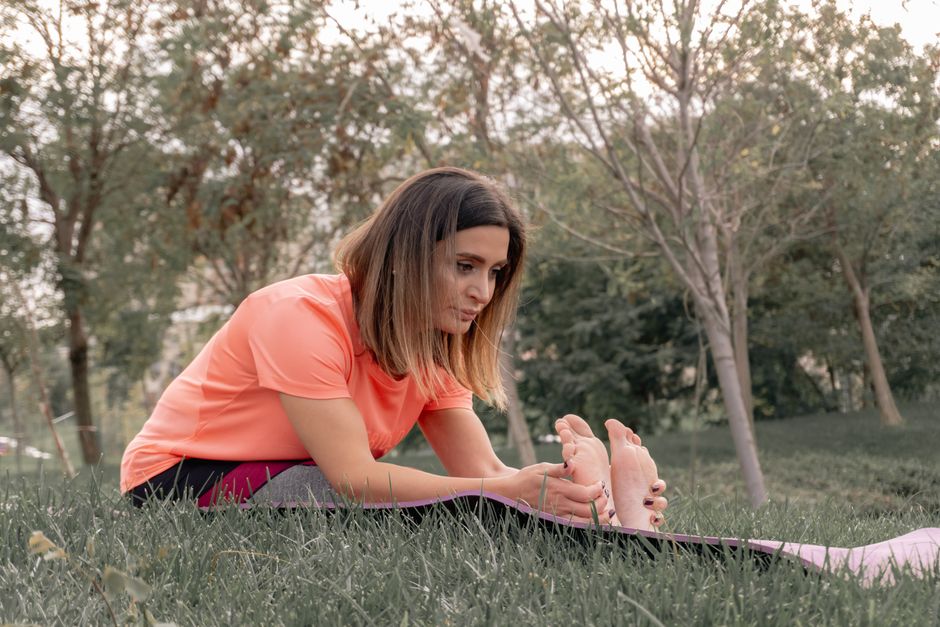
Then there is the Tuileries garden yoga cohort. The Paris Parks department has offered free outdoor yoga and stretching sessions in the Jardin des Tuileries since 2019, suspended during the pandemic and relaunched in April 2022. The Tuesday and Thursday 7:30 a.m. sessions are disproportionately attended by women over 65. Flexibility and balance work, unsexy as it sounds, is where fall prevention actually lives. The World Health Organisation estimates falls cause 37.3 million injuries severe enough to require medical attention globally each year; for over-65s, a single serious fall can trigger a cascade of functional decline.
The habits that seem to stick share a few common features: they are free or nearly free, they happen close to home, and they are social without requiring formal commitment. The Centre Paris Anim' network — which operates 33 community centres across the city's arrondissements — has built gentle mobility classes into its weekly schedule at locations including the Centre Daviel in the 13th and the Centre Vaugirard in the 15th. Drop-in fees run between €1.50 and €3.50 per session depending on household income. Attendance figures for the over-65 cohort rose 18 percent between January and May 2026 compared with the same period last year, according to the Mairie de Paris's own reporting.
The practical upshot for anyone looking to build or maintain an active routine: start with the infrastructure already in existence. Book a free Nordic walking orientation through the Fédération Française de Randonnée Pédestre's website, pick up a Paris Seniors card at any mairie annexe to unlock the Vélib' discount, or simply show up to the Tuileries on a Tuesday morning. A consultation with a médecin traitant — your registered GP under the French universal care system — can also produce a prescription for adapted physical activity, which since January 2025 is partially reimbursed by the Sécurité Sociale for patients with one or more chronic conditions. The infrastructure is there. The question is whether people use it.
How does this story make you feel?
Spread the word
About this article
Published by The Daily Paris
Daily brief
Free, in your inbox before 7am. Weekdays.
More in Wellness