Marie-Thérèse discovered her stride not in a gym, but along the Promenade Plantée in the 12th arrondissement. At 68, she'd spent two decades assuming her knees couldn't handle distance. Today, she logs three kilometres twice weekly on the elevated park's gentle slopes, part of an informal walking collective that meets every Tuesday and Thursday morning.
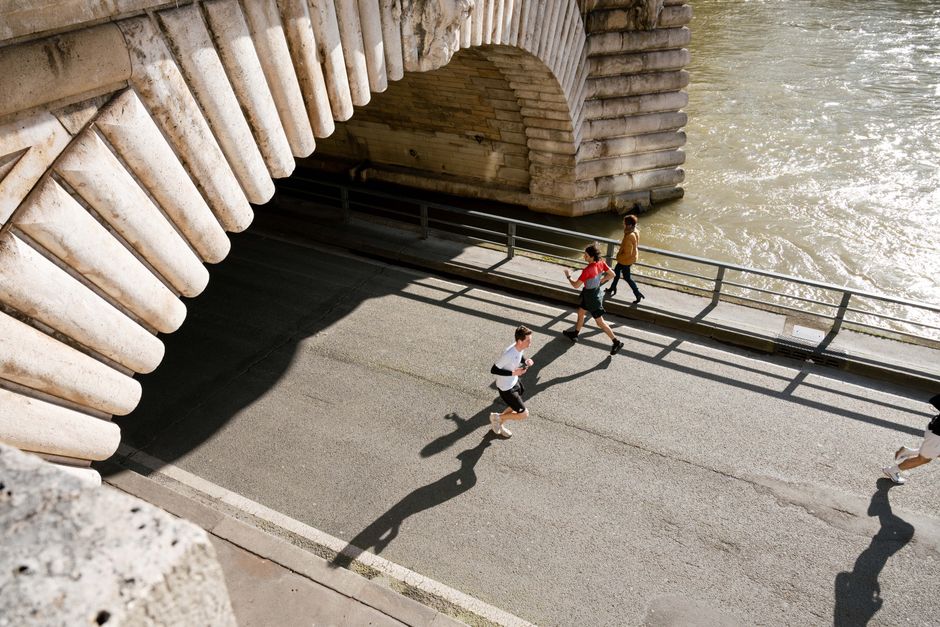
Her story mirrors a quiet revolution reshaping senior wellness across Paris. Unlike the solitary treadmill narrative, transformations here are rooted in neighbourhood connection—and the city's natural advantages. The Seine's riverbanks have become impromptu wellness hubs. The Bois de Boulogne, with its 14.5 square kilometres of rolling terrain, offers cycling paths accessible to varying fitness levels. Even the Tuileries' morning yoga sessions attract residents in their 60s and beyond, many discovering mobility improvements within weeks.
The data supports what locals observe: France's universal healthcare model invests significantly in preventive care for older adults. Paris records consistently higher active-ageing participation than the national average, partly because infrastructure—flat cycling lanes, accessible metro connections, well-maintained pedestrian routes—removes logistical friction.
What transforms casual activity into genuine health change, though, is community. Groups like those meeting at the Marais's community centres or along the Canal Saint-Martin's towpath create accountability without the intimidation of commercial gyms. Weekly meetups cost nothing. Social connection, studies consistently show, extends lifespan as meaningfully as exercise itself.
The economics matter too. France's public health resources mean consultation fees rarely exceed €25 for seniors. Many neighbourhood pharmacies offer free posture screening. Unlike global fitness trends demanding expensive equipment or memberships, Parisian active ageing leans into what the city provides: topology, accessibility, and proximity to others undertaking the same journey.
Residential areas from Belleville to the 5th arrondissement are experiencing this shift. Seniors report not just improved joint mobility and cardiovascular resilience, but equally important psychological benefits—purpose, social identity, and the confidence that comes from witnessing peers thrive.
The transformation isn't miraculous or dramatic. It's incremental, social, and deeply local. A Tuesday walk becomes a Thursday walk, then Saturday cycling. A conversation at the Jardin des Plantes becomes a friendship. Over months, what began as tentative movement becomes identity.
For those considering similar steps, local mairies offer free fitness assessments. GPs can recommend neighbourhood groups tailored to ability levels. The infrastructure exists. The community exists. What changes lives is simply beginning.
This article was compiled by AI from the sources linked above and screened before publishing. See our editorial standards.