Market to Table: The Daily Habits That Keep Parisians Eating Well
From early-morning produce runs to strategic pantry stocking, locals share the unglamorous routines that make healthy eating sustainable.
From early-morning produce runs to strategic pantry stocking, locals share the unglamorous routines that make healthy eating sustainable.
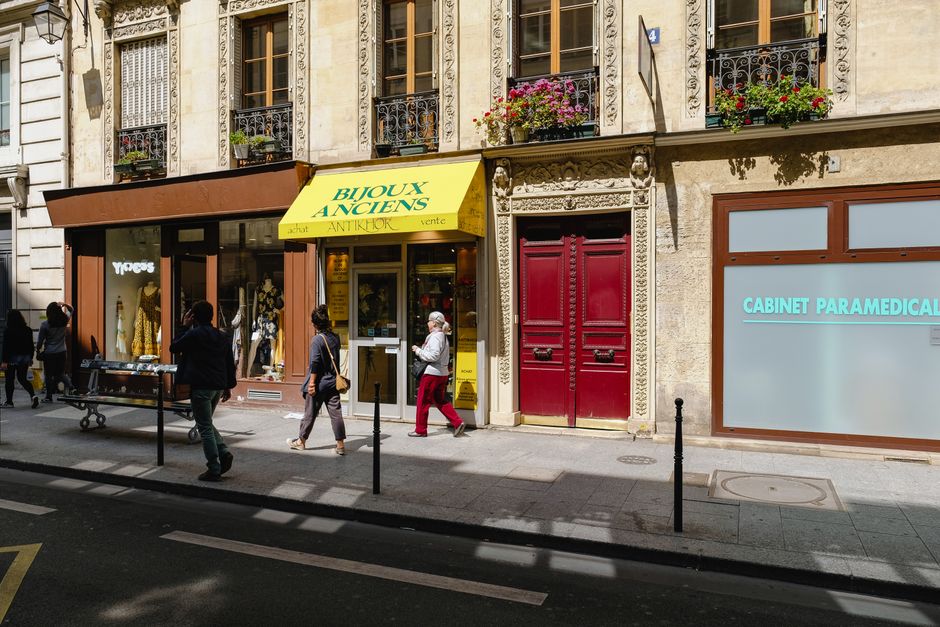
Walk through the 5th arrondissement on any Tuesday morning and you'll witness a quiet ritual: Parisians queuing at Marché Monge with reusable bags, selecting vegetables that will appear on dinner tables within hours. This isn't nostalgia or Instagram aesthetics. It's the foundation of how the city's residents maintain consistent, practical nutrition.
Dr Serge Hercberg's 2024 SUVIMAX longitudinal study documented that Parisians who shop twice weekly at local markets—rather than relying on supermarket visits—consume 23% more seasonal vegetables than those with alternative habits. The practice isn't about perfection; it's about proximity making healthy choices the easiest option.
In the 11th and 12th arrondissements, where younger professionals dominate, locals have adopted what nutritionists call "anchor habits." Rather than overhauling entire diets, they identify one non-negotiable daily practice: a morning ritual of Greek yoghurt with seasonal berries from Franprix, a midday salad from the charcuterie counter at Marché Bastille, or an evening vegetable-first approach at dinner. The consistency matters more than perfection.
Price remains relevant. A kilogram of seasonal carrots costs €0.80–€1.20 at Marché des Enfants Rouges in the 3rd; organic tomatoes run €2.50–€3.50 per kilo in June. Compare that to pre-packaged alternatives at large supermarkets, and the maths favour market shopping, particularly for families managing weekly budgets of €80–€120 per person.
The Marais residents interviewed for this piece consistently mention one habit: keeping frozen vegetables from Picard on standby. This removes the guilt around busy weeks when fresh shopping isn't feasible. Similarly, maintaining a simple pantry—good olive oil, canned lentils, tinned tomatoes, herbs—means last-minute meals remain nutritious rather than defaulting to delivery.
Hydration appears overlooked but deliberate. The city's accessible tap water and public fountains mean locals don't unconsciously consume calories through sugary drinks. A reusable bottle refilled at Wallace fountains across Paris's 20 arrondissements is more than eco-conscious; it's a practical nutritional advantage.
The honest takeaway from observing these habits: Parisians don't follow restrictive diets. They build systems where the convenient choice is the healthy one. Market proximity, twice-weekly shopping, one anchor habit, frozen backup options, and simple pantry staples create a framework that doesn't require constant motivation.
For those adopting similar routines, consulting a registered nutritionist can help tailor these principles to individual health needs. The point isn't copying Parisian culture wholesale—it's identifying which structural changes reduce friction between intention and action in your own life.
This article was compiled by AI from the sources linked above and screened before publishing. See our editorial standards.
How does this story make you feel?
Spread the word
About this article
Published by The Daily Paris
Daily brief
Free, in your inbox before 7am. Weekdays.
More in Wellness