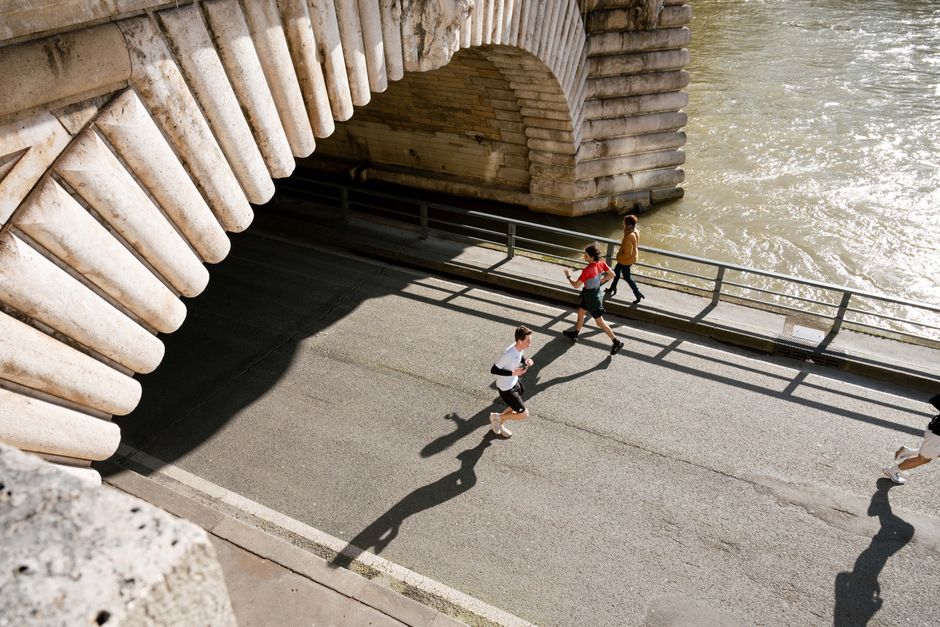
Walk along the Seine between Pont de l'Alma and Pont d'Iéna on any weekday morning, and you'll spot them: clusters of Parisians in their sixties, seventies, and beyond, moving with deliberate purpose. Some jog gently. Others power-walk. A growing contingent cycles on the expanding Vélib' network. Yet ask them why they're there, and few mention Instagram or wellness influencers. Instead, they cite habit, community, and a healthcare system that rewards prevention.
This grassroots approach to active ageing stands in striking contrast to global wellness trends dominated by expensive boutique studios, gamified fitness apps, and celebrity-backed longevity protocols. While American and British wellness markets prioritize premium experiences—often priced beyond €100 per session—Paris's seniors are mobilizing through municipal sport associations, neighbourhood cycling clubs, and subsidized aquatic therapy at centres like the Piscine Hébert in the 15th arrondissement, where classes cost €3–€8 per session.
Data from the Fédération Française de Cardiologie suggests that 68 per cent of Parisians aged 60+ engage in regular movement, compared to a global average of 41 per cent. The difference? Universal healthcare incentives for preventive care, combined with urban infrastructure designed for all ages. The Bois de Boulogne's dedicated cycling lanes, the Tuileries' free outdoor yoga sessions on weekends, and the abundant river-running culture create low-friction entry points that bypass the wellness industry's gatekeeping entirely.
Yet the picture is nuanced. While municipal programmes reach significant numbers, a parallel premium market has quietly emerged in the 8th and 16th arrondissements, where private clinics and wellness centres offer personalized mobility coaching and high-tech strength training—a trend mirroring global élite fitness expansion. This bifurcation suggests that even Paris, with its strong public health culture, is not immune to the stratification reshaping wellness worldwide.
The real story, though, lies in the gap between awareness and participation. While 70 per cent of Parisians over 60 understand that regular movement improves mobility and prevents falls, only 34 per cent sustain programmes beyond six months, according to recent civic health surveys. Barriers—transport, initial intimidation, competing caregiving duties—persist regardless of cost.
This suggests that Paris's success in active ageing stems not from superior wellness trends, but from embedding movement into daily life and community fabric. The answer to global ageing challenges may not require expensive innovations. Instead, it requires what Paris has long understood: that walking, cycling, and gathering remain humanity's most effective—and democratic—medicines.
This article was compiled by AI from the sources linked above and screened before publishing. See our editorial standards.