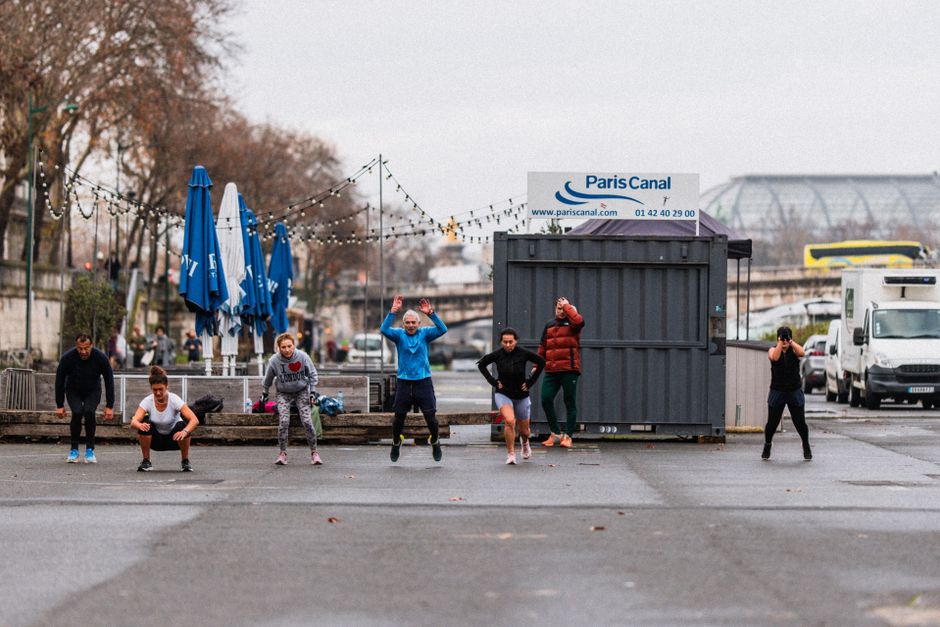
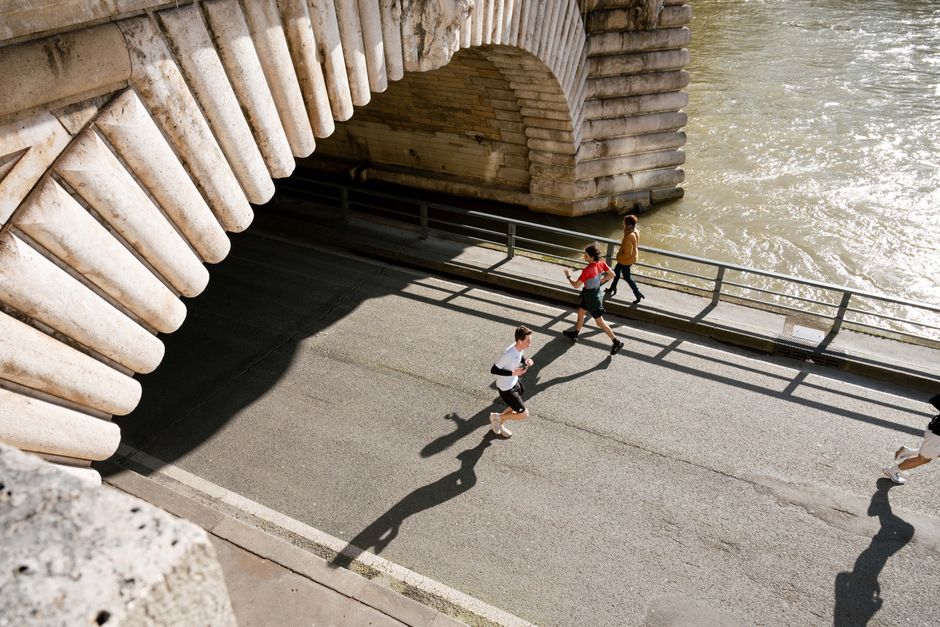
When researchers at the University of Michigan analysed outdoor running versus indoor exercise, they discovered something counterintuitive: the presence of trees and water reduced mental fatigue by up to 20 per cent compared to gym treadmills. For Parisians, this isn't abstract theory—it's geography. The 13-kilometre Seine riverbank runs from Pont de l'Alma through Île Saint-Louis offer not just scenery, but measurable neurological advantage.
The science centres on attention restoration theory. Natural environments engage what neuroscientists call "soft fascination"—the effortless attention required to notice water movement or leaf patterns—which allows directed attention circuits in the brain to recover. Studies published in Environmental Psychology show runners on green routes report 25 per cent better mood outcomes and 15 per cent improved motivation for returning to exercise compared to urban concrete runs.
Bois de Boulogne, spanning 846 hectares across the 16th arrondissement, hosts multiple designated trail networks rated by difficulty. Research from the French Society of Sports Medicine confirms that variable terrain running—the natural elevation changes found on forest paths—strengthens stabiliser muscles and improves proprioception (body awareness) better than flat surfaces. Local running clubs like Paris Alésia Running report membership has grown 40 per cent since 2023, largely attributed to newly marked trail systems.
The Tuileries Garden circuit presents different advantages. A 2024 study in the Journal of Environmental Psychology found that running near historical landmarks activated reward centres differently than parks alone—suggesting cultural engagement amplifies exercise benefits. Running past the Ferris wheel and palace facades creates what researchers term "enriched environment stimulation."
Beyond psychology, outdoor running demands greater metabolic engagement. Unpredictable surfaces require constant microadjustments; wind resistance increases oxygen consumption; temperature variation stimulates thermoregulation. Data from the National Institute of Sports Medicine shows outdoor runners burn approximately 5 per cent more calories than treadmill equivalents at identical speeds.
Paris's cycling infrastructure—over 1,000 kilometres of dedicated routes—increasingly welcomes trail runners. The Vélodyssée network along Canal Saint-Martin combines running space with water exposure, hitting multiple wellness markers simultaneously.
The evidence is clear: Paris's natural infrastructure isn't merely pleasant—it's physiologically superior for sustainable fitness habits. Local medical professionals increasingly prescribe these routes, acknowledging what research confirms: environment shapes outcome. Whether along the Seine's gentle banks or beneath the Bois's canopy, Paris runners aren't just exercising. They're optimising their neurobiology.
This article was compiled by AI from the sources linked above and screened before publishing. See our editorial standards.