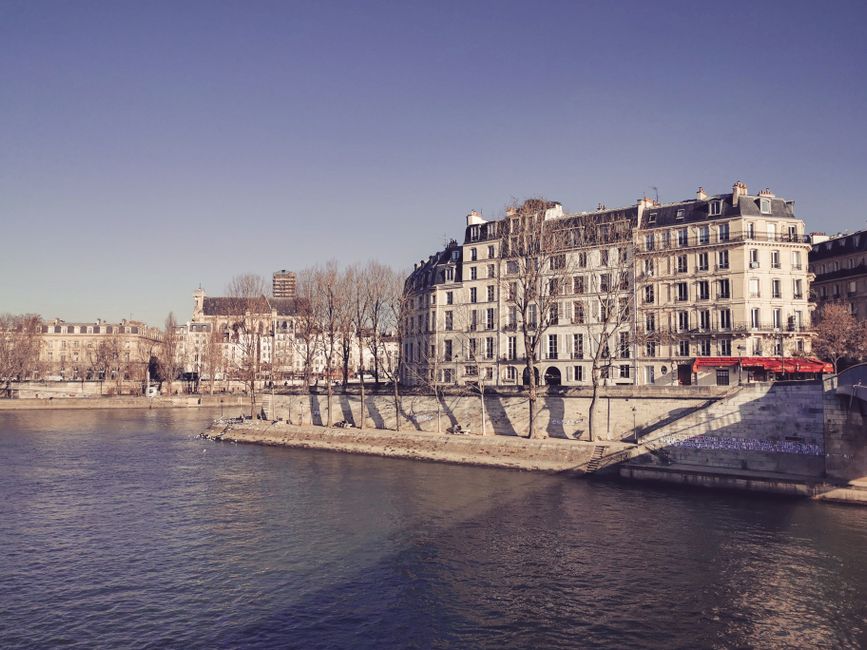
Stress management in Paris isn't about expensive retreats or complicated protocols. Walk through the Marais on any weekday morning and you'll notice a pattern: residents moving deliberately, many pausing by the Seine with headphones on, others gathering in small groups at neighbourhood yoga studios. These aren't Instagram moments—they're quietly effective daily habits that have become embedded in how Parisians approach their mental health.
The first habit gaining traction across arrondissements is the "commute reset." Rather than rushing through the métro, increasing numbers of locals—particularly in the 10th and 11th—are allocating an extra 15 minutes to walk sections of their journey. The Canal Saint-Martin corridor has become unofficial mental-health infrastructure, with residents using the 4.5-kilometre towpath as a decompression zone before work or study. French healthcare data suggests that even 15 minutes of outdoor movement significantly reduces cortisol levels, yet many Parisians frame it simply as "thinking time" rather than exercise.
Second is the structured lunch pause. Despite global work-culture acceleration, a growing number of Parisians—particularly in central districts—are reclaiming the traditional two-hour midday break, or at minimum a genuine 45-minute disconnection. This isn't laziness; it's tactical mental restoration. Many use this window for meditation apps (Insight Timer and Calm have seen 40% usage increases among French users since 2024) or attending drop-in yoga sessions at studios like Yoga Lab near République, where a single class costs €18.
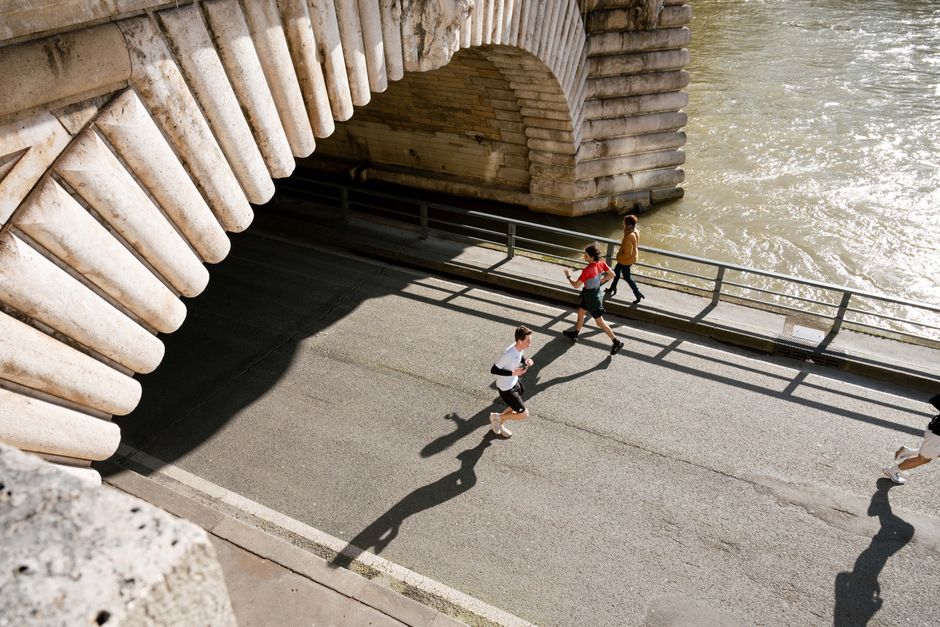
Third is what locals call "digital sunset."—a household commitment to phone-free evenings after 8pm. The Bois de Boulogne's evening joggers often mention this as their anchor habit; the boundary creates psychological permission to stop working mentally.
Fourth is community-based routine. Rather than solo wellness, Parisians are joining neighbourhood walking groups or cycling collectives—the Bois de Boulogne cycling clubs meet three times weekly, completely free. Shared commitment reduces dropout rates dramatically compared to individual resolutions.
Finally, there's the weekly nature immersion. Even 90 minutes in green spaces—the Tuileries, Luxembourg Gardens, or Bois de Vincennes—is now prescribed informally by local therapists and GPs as complementary to formal treatment.
The pattern isn't revolutionary. What makes these habits stick is their integration into existing Parisian rhythms rather than fighting against them. They're free or low-cost, socially normalised, and built into the urban geography itself. For locals managing stress, the breakthrough often comes not from finding the perfect technique, but from choosing one small habit and making it non-negotiable.
For personalised mental health support, consult with your GP or contact local services through your regional health authority.
This article was compiled by AI from the sources linked above and screened before publishing. See our editorial standards.