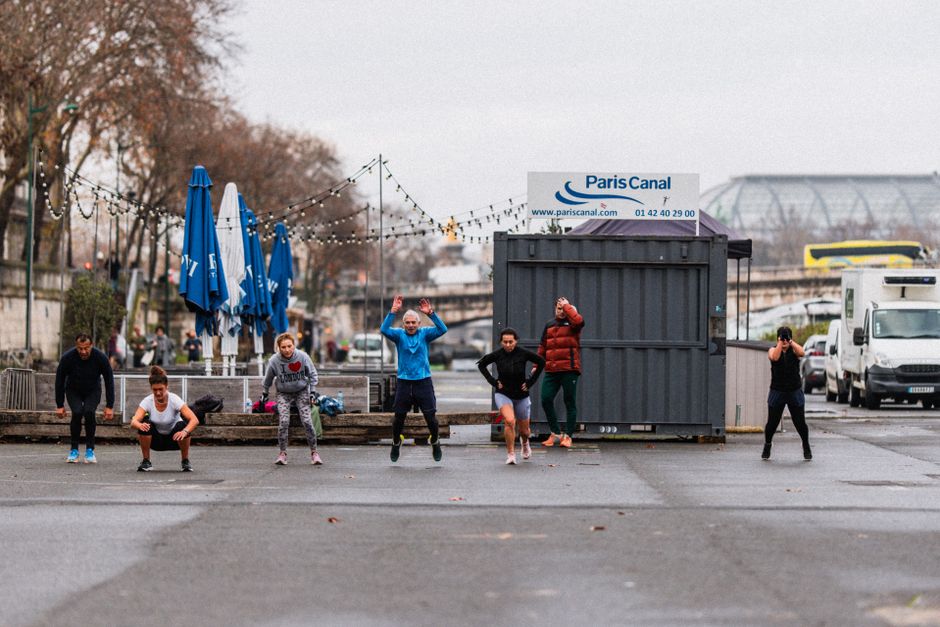
The global running boom shows no signs of slowing. From Tokyo's pre-dawn joggers to New York's competitive 5K culture, outdoor fitness has become the wellness trend that transcends language and geography. In Paris, though, the uptake follows a characteristically measured rhythm—one that favours utility over intensity, and community over competition.
The numbers tell a cautious story. While running app data suggests participation in major European capitals has doubled since 2022, French adoption remains modest by comparison. Yet this apparent hesitation masks a deeper shift. Parisians are increasingly reclaiming their city's natural corridors not as novelties, but as infrastructure they'd neglected for decades.
The Seine's left and right banks—particularly the newly pedestrianised stretches between Pont de l'Alma and Pont des Invalides—have become the city's de facto running circuit. A 10-kilometre loop along the riverbanks now rivals the Bois de Boulogne's forest trails as the preferred route for casual runners. Local running clubs like Paris Runners and Stade Français's newer recreational branches report steady membership growth, though entry fees remain modest (around €40–80 annually for casual participants), reflecting the country's philosophy that sport should be accessible.
What distinguishes Paris's approach from global trends is the emphasis on utility-driven fitness. Unlike Silicon Valley's quantified self-movement or London's boutique studio culture, Parisians typically view running as transport or leisure rather than data-collection exercise. The Tuileries outdoor yoga classes, which operate seasonally from April through September, similarly attract participants seeking integration with their neighbourhood rather than Instagram-worthy fitness moments.
France's universal healthcare model also reshapes local wellness priorities. Running clubs often coordinate with municipal health initiatives and neighbourhood associations (mairies), embedding fitness within broader public health campaigns rather than positioning it as lifestyle luxury.
The infrastructure advantage cannot be overlooked. Paris's 500 kilometres of cycling paths—designed partly for runners—and dedicated riverside pathways give residents options that many global cities lack. Yet adoption remains slower than comparable capitals, suggesting that Parisian wellness culture still privileges café culture and leisurely flânerie over the formalised exercise regimens popular elsewhere.
As European wellness trends accelerate, Paris appears to be charting its own course: incorporating global fitness momentum whilst maintaining its traditional scepticism toward optimisation. The result is a running culture that's growing, but distinctly Parisian in its restraint.
This article was compiled by AI from the sources linked above and screened before publishing. See our editorial standards.