The Paris Sleep Revolution: Five Habits That Actually Work for Locals
From evening strolls along the Canal Saint-Martin to strategic café timing, Parisians are reshaping their sleep routines—and their wellness.
From evening strolls along the Canal Saint-Martin to strategic café timing, Parisians are reshaping their sleep routines—and their wellness.
Sleep deprivation isn't a badge of honour in Paris anymore. Over the past eighteen months, a quiet shift has taken hold across the city's neighbourhoods, with residents actively redesigning their evening routines around one simple principle: consistency matters more than perfection.
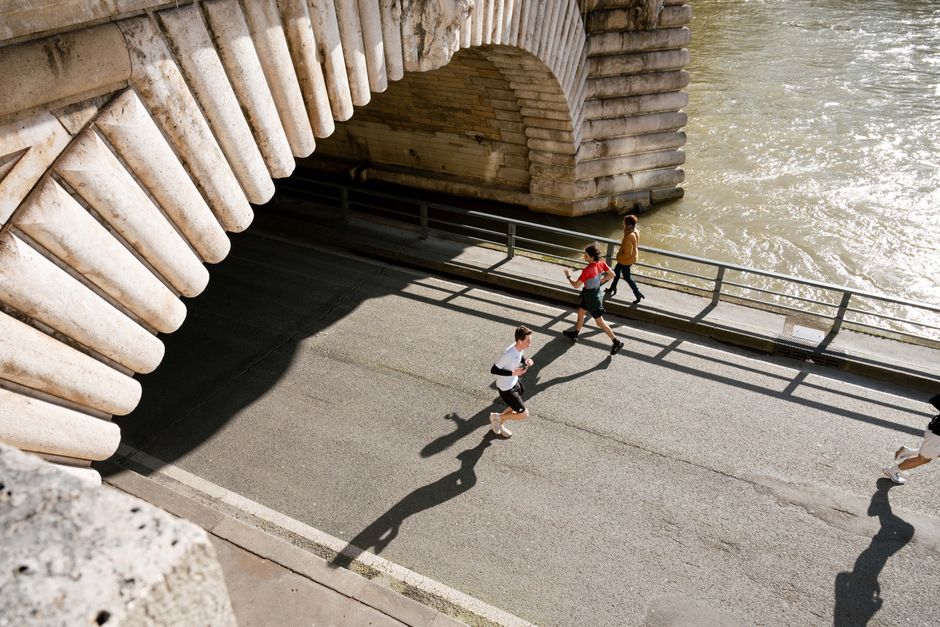
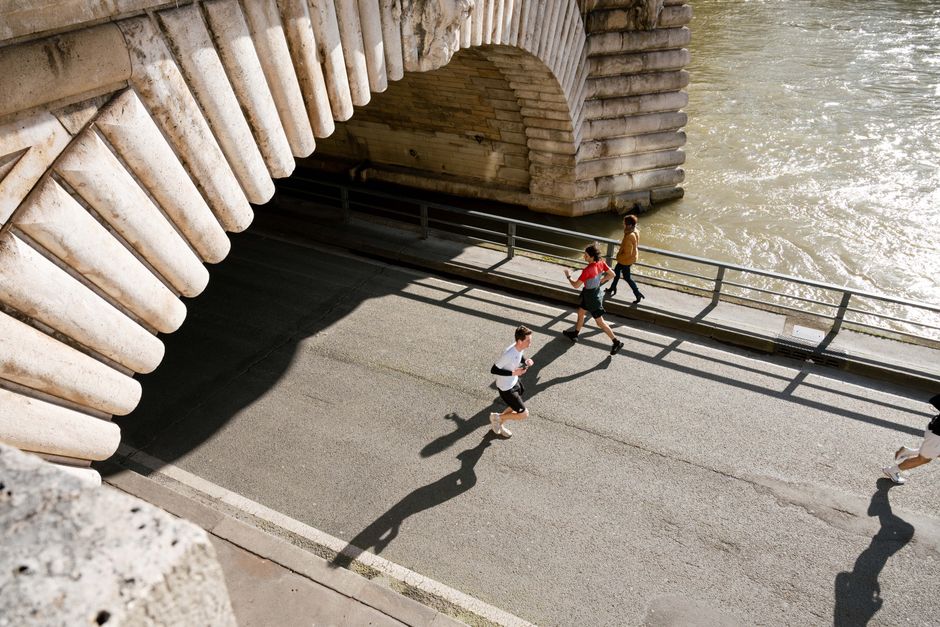
The trend begins with movement. Rather than collapsing into bed after desk work, locals are embracing what sleep researchers call 'active wind-down'—gentle exercise in the late afternoon. Evening runs along the Seine's left bank, or slower cycling loops through the Bois de Boulogne, have become standard practice for professionals in the 8th and 16th arrondissements. The logic is straightforward: physical activity deepens sleep onset without the adrenaline spike of morning workouts.
Light exposure management runs parallel. Parisians working near the Marais or République now structure their days deliberately around natural daylight. A 15-minute walk during lunch—whether through Place des Vosges or along Rue de Rivoli—syncs circadian rhythms without requiring expensive light therapy lamps. Morning brightness, research confirms, strengthens evening melatonin production.
Café timing has become precise. Rather than abstaining entirely, locals practise a 2pm cutoff. This allows the caffeine half-life (roughly five hours) to clear before bedtime, while protecting the ritual of après-work coffee near Tuileries or Canal-side terraces. It's discipline with pleasure intact.
Screen curfews, meanwhile, have shifted from aspirational to achievable through what residents call the 'buffer hour'—no phones or tablets between 8:30pm and 9:30pm. Instead, many turn to reading, light stretching, or evening strolls through quieter streets in the 5th or 13th arrondissements. The habit works because it's environmental, not just willpower-dependent.
Finally, sleep environment standardisation has gained traction. With Paris's universal healthcare system covering sleep assessments through local clinics, more residents invest in blackout blinds and temperature control—basics that cost modest amounts but compound over months.
What makes these habits stick isn't novelty; it's feasibility within Paris's existing infrastructure. The Seine runs through the city, cycling lanes connect neighbourhoods, and parks are ubiquitous. Locals aren't following imported wellness trends but adapting their landscape to support deeper rest.
The shift reflects a broader recognition: quality sleep isn't selfish. It's foundational. And in Paris, it's finally becoming the default.
This article was compiled by AI from the sources linked above and screened before publishing. See our editorial standards.
How does this story make you feel?
Spread the word
About this article
Published by The Daily Paris
Daily brief
Free, in your inbox before 7am. Weekdays.
More in Wellness