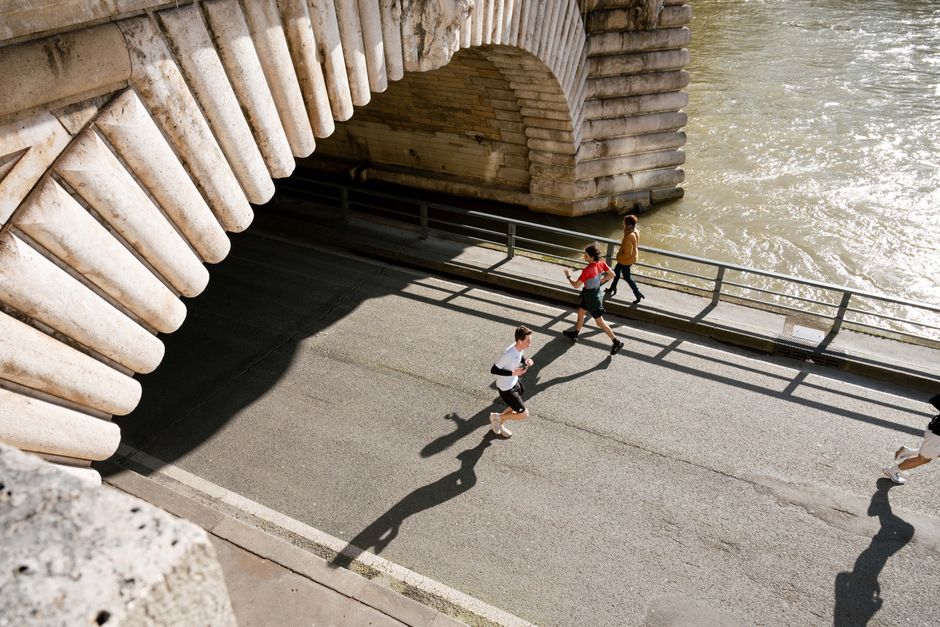
The Running App Every Parisian Should Download: Inside the City's Best-Kept Trail Navigation Secret
A free digital resource is quietly transforming how locals discover, map and track their runs across Paris's most scenic neighbourhoods.
A free digital resource is quietly transforming how locals discover, map and track their runs across Paris's most scenic neighbourhoods.

If you've spent the last few years running the same loop along the Seine's left bank, or cycling through the Bois de Boulogne on autopilot, you're missing something: Paris has invested heavily in a runner's infrastructure that most residents don't know exists.
The city's official Paris Running Routes platform, managed by the Mairie de Paris in partnership with local sports councils, offers free access to over 40 documented trail routes ranging from 3 to 15 kilometres. The service launched quietly in 2024, but it's become invaluable for anyone seeking alternatives to the tourist-heavy Tuileries paths or the increasingly crowded Île Saint-Louis riverside stretches.
Here's what makes it genuinely useful. The platform maps lesser-known circuits through the Marais, Montmartre's quieter upper streets (excellent for hill training), and the underrated Parc des Buttes-aux-Cailles in the 13th arrondissement. Each route includes elevation data, surface type (crucial information in Paris, where cobblestone and gravel sections require different footwear), and real-time crowd-density indicators based on GPS data from previous runners.
The interface is available via the Île-de-France mobility app or standalone at parisrunningtraces.fr. You can log your runs directly, and the data aggregates anonymously to help the city understand usage patterns and infrastructure gaps. This information has already influenced the city's decision to resurface portions of the Canal Saint-Martin running path and improve lighting along the Promenade Plantée—Paris's elevated park in the 12th that remains criminally underutilised by fitness enthusiasts.
The resource also includes partnerships with local running clubs and podiatry practices across the 20 arrondissements. A physiotherapist in the 5th, for instance, offers subsidised gait analysis for active Parisians through the city's universal healthcare integration—typically €40 to €60 instead of the private rate of €100+.
Cost? Nothing. The city funds it through its public health and active transport initiatives, the same budget that maintains cycle lanes and fitness stations throughout Paris.
Whether you're training for a half-marathon, managing joint health through low-impact terrain running, or simply searching for a quieter alternative to commercial gyms, this platform removes the guesswork. For a city that prioritises accessibility and active living, it's a surprisingly elegant solution to the eternal runner's question: where next?
This article was compiled by AI from the sources linked above and screened before publishing. See our editorial standards.
How does this story make you feel?
Spread the word
About this article
Published by The Daily Paris
Daily brief
Free, in your inbox before 7am. Weekdays.
More in Wellness