Staying mobile after 60 in Paris: evidence-based tips that actually work for local conditions
From Seine-side running routes to Métro stairs, here's what research says about maintaining strength and balance in the City of Light.
From Seine-side running routes to Métro stairs, here's what research says about maintaining strength and balance in the City of Light.
Paris presents both remarkable advantages and real challenges for older adults keen to stay active. The city's dense layout, cobblestone streets, and ageing infrastructure demand a pragmatic approach to mobility—one grounded in what research actually demonstrates works.
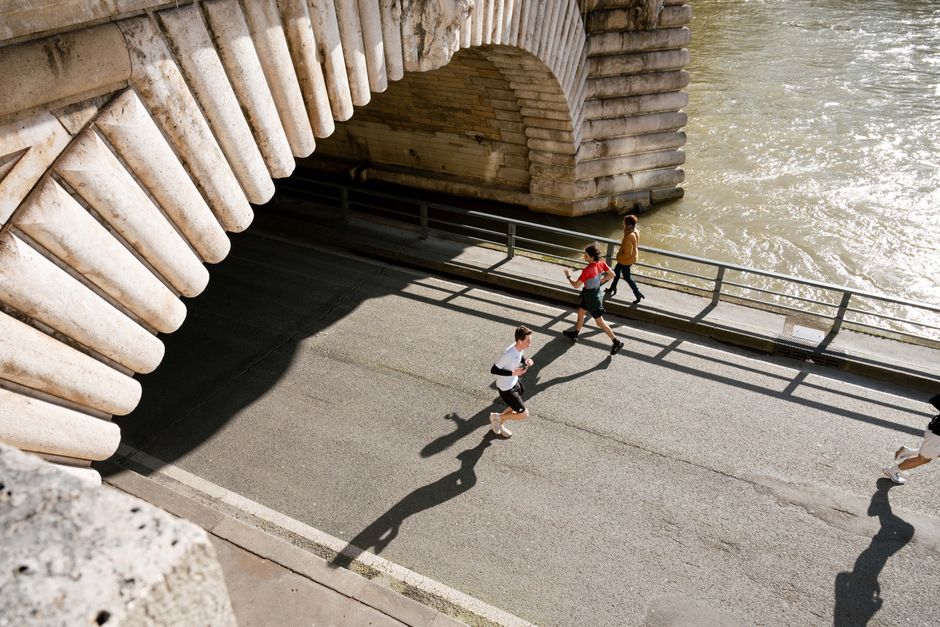
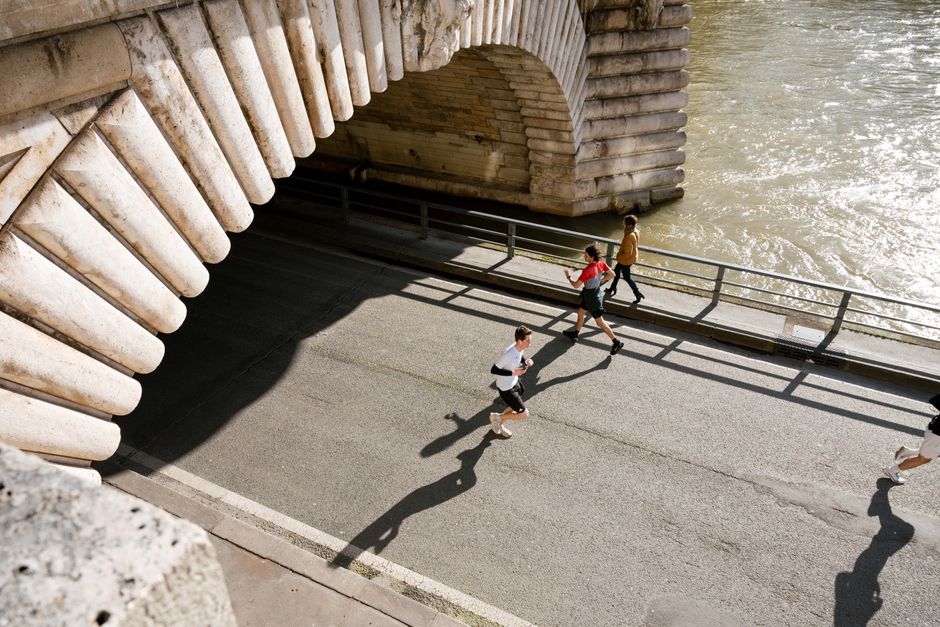
The evidence is clear: sustained low-intensity movement beats sporadic intense effort. Rather than committing to the occasional marathon, seniors benefit far more from consistent, moderate activity. The Bois de Boulogne's cycling paths and the flat Seine riverbanks offer ideal terrain for daily 30-minute walks—the minimum threshold recommended by gerontologists for maintaining cardiovascular function and bone density. Research from the Institut de la Longévité suggests older Parisians who walk 4–5 times weekly show measurably better joint mobility than sedentary peers.
Stairs remain unavoidable in Paris's sixth and seventh arrondissements, where many buildings predate modern accessibility standards. Rather than avoiding them, evidence supports deliberate stair practice twice weekly as superior for leg strength and fall prevention compared to flat-only routines. This doesn't require gym membership; the Tuileries Garden's gentle slopes and the steps leading to Montmartre's Sacré-Cœur provide natural resistance training.
Balance work deserves dedicated attention. Research consistently demonstrates that targeted balance exercises reduce fall risk by up to 40 percent—particularly important given Paris's uneven pavements. Outdoor yoga sessions at Tuileries (offered year-round through the city's wellness program) combine balance, flexibility, and social engagement, addressing multiple mobility factors simultaneously.
France's universal healthcare system covers physiotherapy consultations (typically €40–60 with social security reimbursement), making professional guidance accessible. A physical therapist can assess individual gait patterns and recommend street-specific strategies—crucial for navigating the Métro's narrow corridors or the steeper slopes in Montmartre.
Temperature matters too. Paris winters, while milder than northern Europe, increase fall risk on icy surfaces. Research suggests alternating between protected indoor routes (the Louvre's underground passages, covered arcades along Rue de Rivoli) and outdoor activity based on weather—maintaining consistency without sacrificing safety.
The most evidence-backed principle remains consistency over intensity. Older adults who maintain daily movement patterns show superior long-term mobility outcomes compared to those pursuing intermittent, aggressive exercise. Paris's walkable neighbourhoods and cycling infrastructure provide natural scaffolding for this approach.
For personalized guidance, consult local practitioners through your arrondissement's healthcare centre or France's medical directories.
This article was compiled by AI from the sources linked above and screened before publishing. See our editorial standards.
How does this story make you feel?
Spread the word
About this article
Published by The Daily Paris
Daily brief
Free, in your inbox before 7am. Weekdays.
More in Wellness