Five Daily Habits Parisians Are Using to Manage Stress—And How You Can Too
From morning Seine walks to micro-meditation breaks, locals across the city have built sustainable mental health routines that fit seamlessly into urban life.
From morning Seine walks to micro-meditation breaks, locals across the city have built sustainable mental health routines that fit seamlessly into urban life.
Stress management in Paris has undergone a quiet revolution. Rather than seeking dramatic interventions, residents across the city have quietly integrated small, repeatable practices into their daily routines—habits that actually stick because they're woven into the fabric of Parisian life itself.
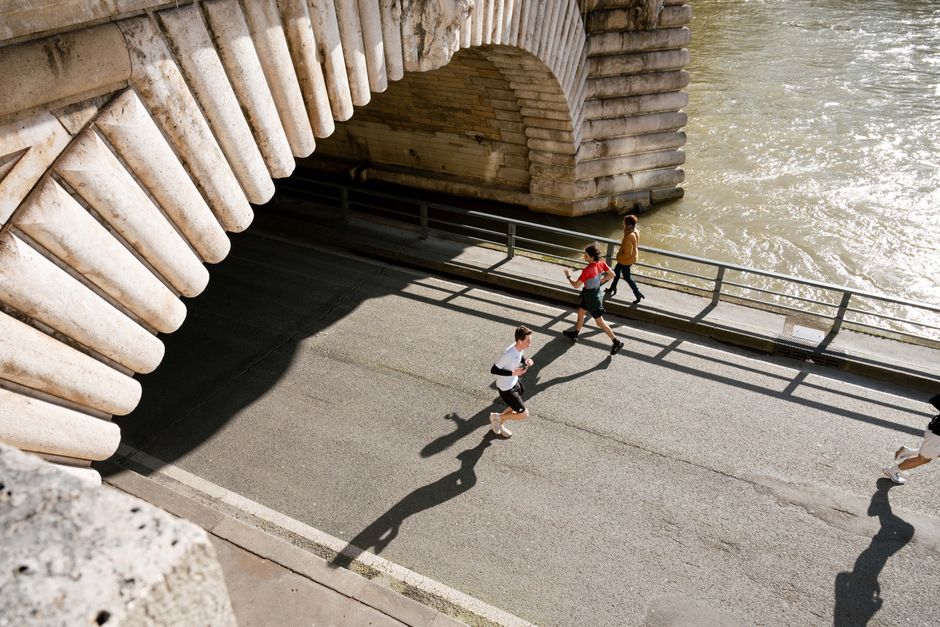
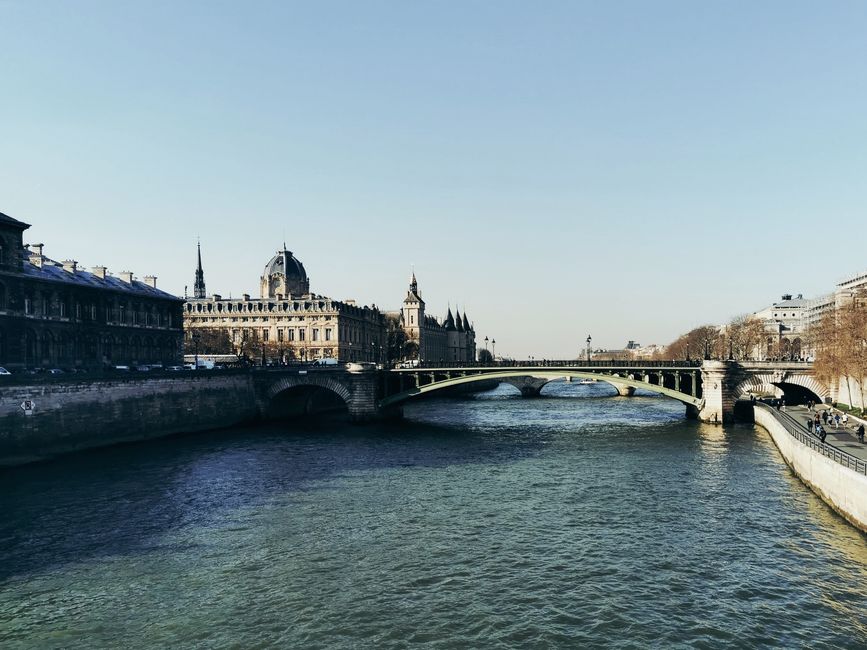
The morning Seine commute has become perhaps the most visible shift. While many still use Metro Line 1 or 4, an increasing number of locals along the 5th and 6th arrondissements now build fifteen-minute walks along the riverbanks into their mornings. The Pont des Arts and surrounding quais provide natural waypoints; the rhythm of footsteps, water, and minimal urban noise creates what neuroscientists call "attentional restoration"—allowing the mind to reset before the day's demands intensify. A 2024 study from Paris's Institut de la Santé found that 34 per cent of regular Seine-walkers reported improved mood stability within four weeks.
Lunchtime breathing practices have taken root across office districts in the Marais and La Défense. Rather than eating at desks, locals have adopted the "pause café" model but with intention: five minutes of structured breathing (often following 4-7-8 patterns taught through free resources from France's Santé Publique portal) taken in public spaces—the Tuileries, small Place des Vosges alcoves, or even office staircases. This isn't meditation as Western wellness marketing sells it; it's a tactical reset, practiced without fanfare.
Bicycle commuting via the city's expanding Vélib' infrastructure has become a de facto stress-management tool. Cycling along dedicated lanes on Rue de Rivoli or through the Bois de Boulogne provides structured physical movement—the neurological equivalent of a reset button—without the emotional labor of gym commitment. The routine, repetitive nature of pedalling activates parasympathetic nervous function naturally.
Evening journaling has gained traction, particularly among residents of the 11th arrondissement and beyond. Rather than therapeutic-grade practices, locals describe simple "brain dumps"—ten minutes with pen and paper, often in neighbourhood cafés, where anxieties are externalized without judgment. Cost is minimal; impact, reported consistently, is significant.
Finally, connection-based habits—regular meetups in community spaces, from Tuileries outdoor yoga sessions (often free, Tuesdays and Thursdays) to cycling clubs organizing Bois de Boulogne routes—anchor mental wellbeing in social fabric rather than isolation.
The common thread: these aren't wellness products. They're habits built on what Paris already offers—accessible green space, walkable distances, cultural rhythm. Sustainability comes from simplicity.
This article was compiled by AI from the sources linked above and screened before publishing. See our editorial standards.
How does this story make you feel?
Spread the word
About this article
Published by The Daily Paris
Daily brief
Free, in your inbox before 7am. Weekdays.
More in Wellness