Paris's Running Renaissance: How Outdoor Fitness is Reshaping the City's Wellness Culture
From the Seine's banks to the Bois de Boulogne, Parisians are ditching gym memberships for trail routes and riverside runs—and the trend is only accelerating.
From the Seine's banks to the Bois de Boulogne, Parisians are ditching gym memberships for trail routes and riverside runs—and the trend is only accelerating.
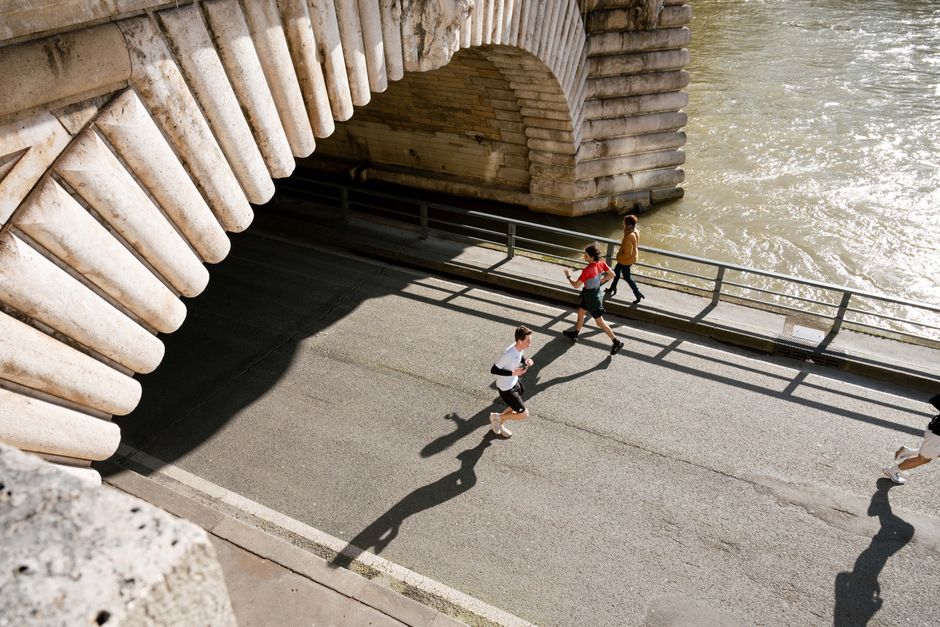
Five years ago, jogging along the Seine felt like a niche pursuit reserved for dedicated athletes. Today, it's become the city's most visible wellness movement. Morning runners now outnumber café loungers on the Left Bank promenades, while cycling clubs have expanded their routes through the Marais and beyond. This shift reflects a broader transformation in how Parisians approach fitness—one that prioritises accessibility, free or low-cost options, and integration with daily life.
The numbers tell the story. Running clubs affiliated with France's athletics federation report a 34% membership increase since 2022, with Paris accounting for nearly half of new registrations. The city's extensive network of dedicated running paths—particularly the 13-kilometre Promenade Plantée in the 12th arrondissement and the emerging riverside corridors near Pont d'Alma—has made outdoor training not just appealing but practical for commuters and fitness enthusiasts alike.
What's driving this trend? Partly economics. Paris's universal healthcare system subsidises preventive wellness activities, while free or low-cost running groups operate from neighbourhood mairies across the 20th and 13th arrondissements. The Bois de Boulogne, long a jogger's refuge, now hosts structured weekend running events that attract 200-300 participants. Meanwhile, the Tuileries Garden has expanded its outdoor fitness infrastructure, with designated yoga and circuit-training zones that serve both tourists and locals.
The shift reflects changing attitudes toward exercise itself. Rather than punishing gym sessions, Parisians increasingly view running trails as social infrastructure—places to move, breathe, and connect with their city. The 8-kilometre Canal Saint-Martin loop has become a weekend ritual for thousands, blending cardio with the neighbourhood's vibrant café culture. Cycling infrastructure improvements, including the rapid expansion of vélo-friendly routes through the 11th and 10th arrondissements, have complemented running expansion.
Local organisations have capitalised on this momentum. Groups like Jogging Plus and Paris Running Club now coordinate trail meetups weekly, with entry fees typically €5–€8, making consistent outdoor fitness accessible across income brackets. The Strava app shows Paris among Europe's top five cities for logged running activity, with particular concentration around the Latin Quarter and Île de la Cité.
Perhaps most tellingly, mainstream fashion and wellness brands have noticed. Sportswear retailers along the Canal Saint-Martin and near République report booming sales, while wellness-focused cafés offering recovery smoothies have multiplied. For Parisians, the message is clear: fitness isn't confined to gyms anymore. It's woven into the fabric of daily urban life—one trail, one lane, one riverside route at a time.
This article was compiled by AI from the sources linked above and screened before publishing. See our editorial standards.
How does this story make you feel?
Spread the word
About this article
Published by The Daily Paris
Daily brief
Free, in your inbox before 7am. Weekdays.
More in Wellness