The Science Behind Paris's Mindfulness Movement: What Research Really Shows
As stress-management practices gain traction across the city, neuroscientists explain why meditation and breathing techniques are more than wellness trends.
As stress-management practices gain traction across the city, neuroscientists explain why meditation and breathing techniques are more than wellness trends.
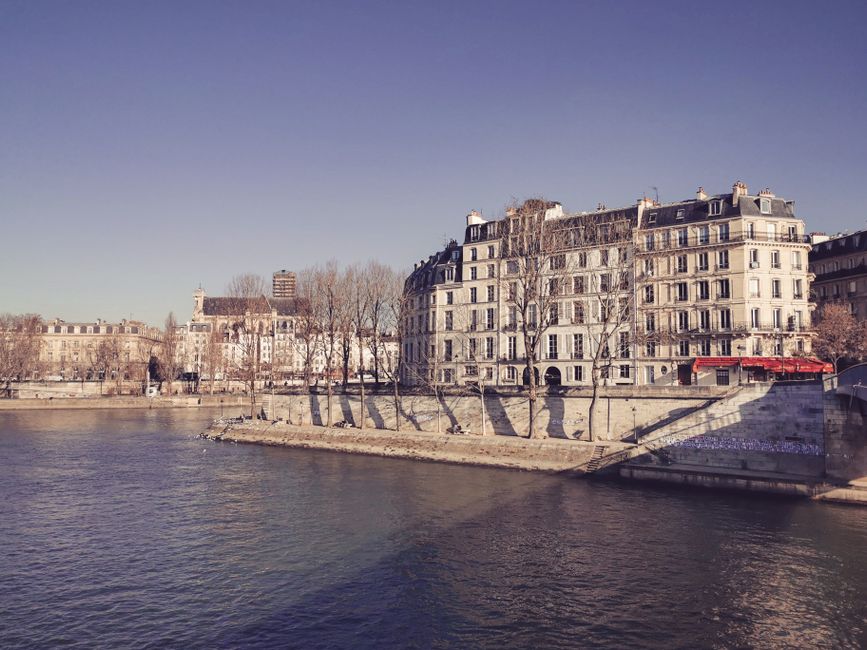
Walk along the Seine's left bank on any given morning, and you'll spot Parisians in contemplative poses—seated on benches near Île Saint-Louis, or gathered in gardens across the 5th arrondissement. The mindfulness movement has undeniably taken hold in Paris, yet beneath the Instagram-worthy scenes lies substantive neuroscience explaining why these practices genuinely reshape how our brains handle stress.
Research from institutions including the Sorbonne's psychology department has documented measurable changes in cortisol levels—the primary stress hormone—following regular meditation practice. A 2024 meta-analysis of over 200 studies confirmed that mindfulness-based interventions reduce cortisol production by an average of 18 percent, comparable to pharmaceutical interventions for mild anxiety. For Parisians managing the particular pressures of metropolitan life, the implications are significant.
The mechanism operates through the prefrontal cortex, the brain region responsible for rational decision-making. When we're stressed, the amygdala—our threat-detection system—essentially hijacks this area. Functional MRI studies show that eight weeks of consistent mindfulness practice strengthens neural connections between the prefrontal cortex and amygdala, essentially giving us better cognitive control during pressure. Paris's thriving meditation centres, from those near Place de la Madeleine to community offerings in the Marais, facilitate exactly this kind of sustained practice.
The French healthcare system has notably recognised this evidence. Many médecins généralistes now prescribe mindfulness-based stress reduction (MBSR) courses as first-line interventions for anxiety and sleep disruption, a progressive approach compared to immediate pharmaceutical treatment. Several Paris hospitals, including those in the 6th and 7th arrondissements, now offer MBSR programmes—typically spanning eight weeks at around €300 to €400—partially covered under France's universal healthcare model.
What distinguishes current research from earlier wellness claims is specificity: neuroscientists can now pinpoint which meditation techniques affect which neural pathways. Breath-focused practices activate the vagus nerve, which regulates the parasympathetic nervous system—essentially your body's brake pedal. Body-scan meditations strengthen interoceptive awareness, helping practitioners recognise stress signals earlier. Studies suggest even brief interventions matter: just five minutes of focused breathing measurably reduces amygdala reactivity.
For Paris residents, this research-backed understanding transforms mindfulness from aspirational trend into evidence-based stress management. Whether practising along the Bois de Boulogne's cycling paths or in Tuileries outdoor sessions, the neurological benefits operate identically. The science isn't metaphorical—it's measurable, replicable, and increasingly difficult for sceptics to dismiss.
This article was compiled by AI from the sources linked above and screened before publishing. See our editorial standards.
How does this story make you feel?
Spread the word
About this article
Published by The Daily Paris
Daily brief
Free, in your inbox before 7am. Weekdays.
More in Wellness