The Power of Collective Motion: How Paris's Fitness Challenges Are Building Stronger Neighbourhoods
From Seine-side running clubs to Bois de Boulogne cycling events, community-led fitness challenges are reshaping how Parisians exercise—and connect.
From Seine-side running clubs to Bois de Boulogne cycling events, community-led fitness challenges are reshaping how Parisians exercise—and connect.

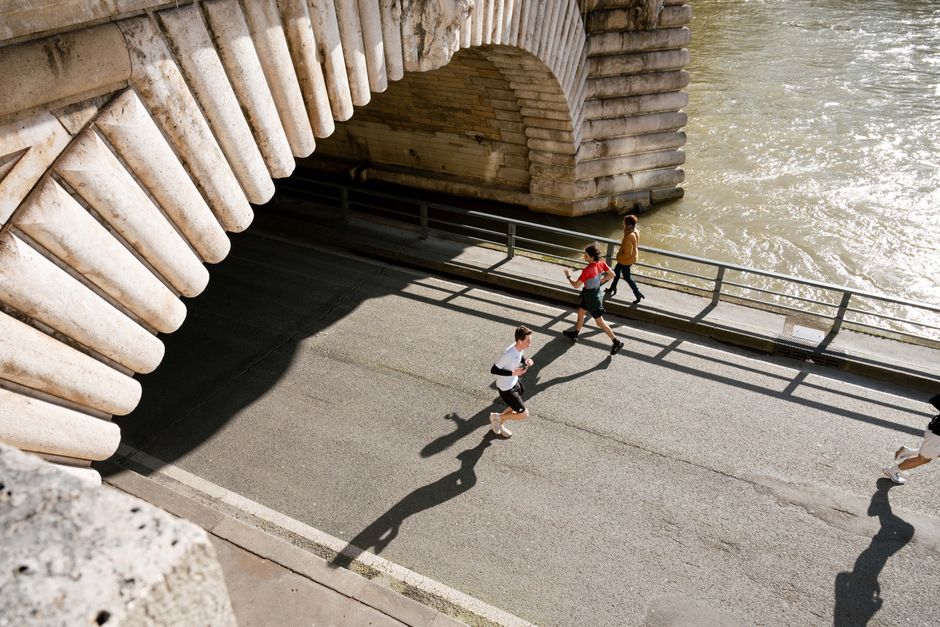
The morning air along the Quai de Seine carries a familiar rhythm these days: the collective footfall of runners tackling monthly distance challenges that have become woven into the fabric of Paris's wellness culture. What began as informal gathering spots has evolved into structured community fitness events that unite neighbourhoods across the city, proving that exercise becomes something far more meaningful when shared.
Paris's universal healthcare model has long supported preventive wellness initiatives, and community fitness challenges represent a natural extension of this philosophy. The Bois de Boulogne has emerged as a hub for cycling-based challenges, with local clubs organising seasonal events that attract participants ranging from casual weekend riders to serious enthusiasts. Similarly, the Tuileries Garden hosts weekly outdoor yoga circles and running clubs that have transformed accessible public spaces into informal fitness hubs, typically free or requiring modest registration fees between €5–€15 per session.
What distinguishes these events from traditional gym membership is their social architecture. A typical challenge might span four to eight weeks, with participants tracking shared metrics—kilometres accumulated, collective elevation gained, or group attendance milestones. Marais-based fitness collectives have pioneered neighbourhood-specific challenges that encourage residents to explore lesser-known running routes through the 4th and 11th arrondissements, turning exercise into discovery. The result is measurable: participants report higher consistency rates and stronger neighbourhood bonds compared to solo training.
The appeal extends beyond statistics. Community fitness challenges create accountability structures that naturally encourage participation. When neighbours recognise each other on morning runs along the Seine's left bank, or when cycling groups gather before weekly Bois excursions, the social commitment often outweighs initial motivation. This psychological principle—sometimes called the "community effect"—has proven particularly effective in maintaining exercise habits through summer months and seasonal transitions.
Local sports associations across Paris's arrondissements now coordinate seasonal challenges tied to natural cycles: spring running series in Père Lachaise, autumn cycling tours through the 16th, winter walking circuits combining fitness with cultural landmarks. Participation costs remain deliberately low, reflecting Paris's commitment to accessible wellness.
Perhaps most significantly, these challenges have democratised the conversation around fitness. They've shifted focus from individual achievement metrics to collective progress, creating environments where fitness feels less like private obligation and more like shared ritual. As Paris continues developing its already-impressive cycling infrastructure and riverbank running paths, community fitness challenges are ensuring these resources serve not just individual goals, but neighbourhood cohesion itself.
This article was compiled by AI from the sources linked above and screened before publishing. See our editorial standards.
How does this story make you feel?
Spread the word
About this article
Published by The Daily Paris
Daily brief
Free, in your inbox before 7am. Weekdays.
More in Wellness