Over the past five years, outdoor running has transformed from a niche pursuit into a global wellness staple. In cities like Portland, Singapore, and Sydney, dedicated trail networks and running clubs have become economic engines for tourism and public health alike. Paris, historically sceptical of American-style fitness culture, is experiencing its own quiet revolution—one that looks distinctly French.
The numbers tell the story. According to the Paris Chamber of Commerce, visits to the Seine's left-bank running paths increased by 31 per cent between 2022 and 2026, while the Bois de Boulogne's cycling and jogging circuits now draw roughly 400,000 users monthly during warmer months. Yet uptake remains modest compared to London's Thames Path or Berlin's Spree routes, which report double those figures. The difference reflects a fundamental tension: Paris has the infrastructure, but cultural adoption has been gradual.
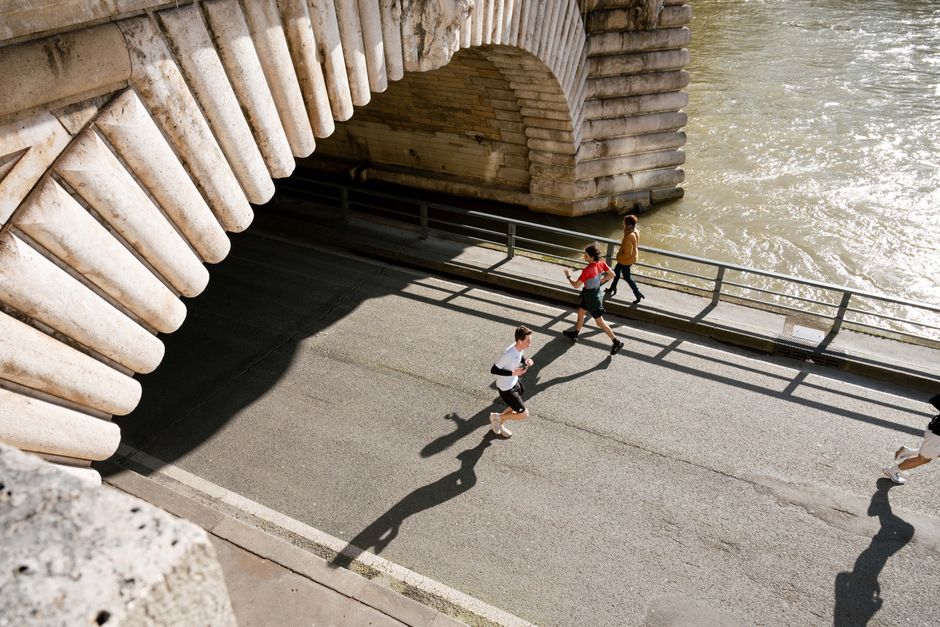
The Tuileries Garden and its surrounding arrondissements remain the epicentre. The 1.5-kilometre loop attracts casual joggers, while serious runners favour the less-crowded paths through the 15th and 16th arrondissements, accessible via Rue de la Pompe. The Seine's expanding riverside promenades—particularly the newly renovated stretches near Pont de l'Alma and extending toward Quai de la Tournelle—have emerged as the city's answer to global trail trends. Yet price barriers persist; memberships at premium running clubs around the Marais or Canal Saint-Martin hover between €80 and €150 monthly, pricing many locals out compared to free initiatives elsewhere.
What distinguishes Paris, however, is its integration of running into urban design philosophy. The proliferation of outdoor fitness stations in parks—now numbering over 60 across the city—combines running with resistance training at zero cost. This reflects broader European wellness policy priorities emphasizing accessibility over commercialization, a counterpoint to premium subscription models dominating North America.
The universal healthcare framework also shapes local participation rates. Fewer Parisians rely on fitness as disease prevention or insurance incentive, meaning outdoor running adoption is driven by lifestyle preference rather than medical necessity. This creates a more sustainable, leisure-based culture than markets driven by health anxiety.
As global running culture increasingly emphasizes social connection and community—a trend reflected in the explosion of trail races and running collectives worldwide—Paris is responding authentically. Informal Thursday-evening groups coalescing near Pont des Invalides and weekend circuits through Fontainebleau suggest the city is finding its own pace, literally and figuratively.
This article was compiled by AI from the sources linked above and screened before publishing. See our editorial standards.