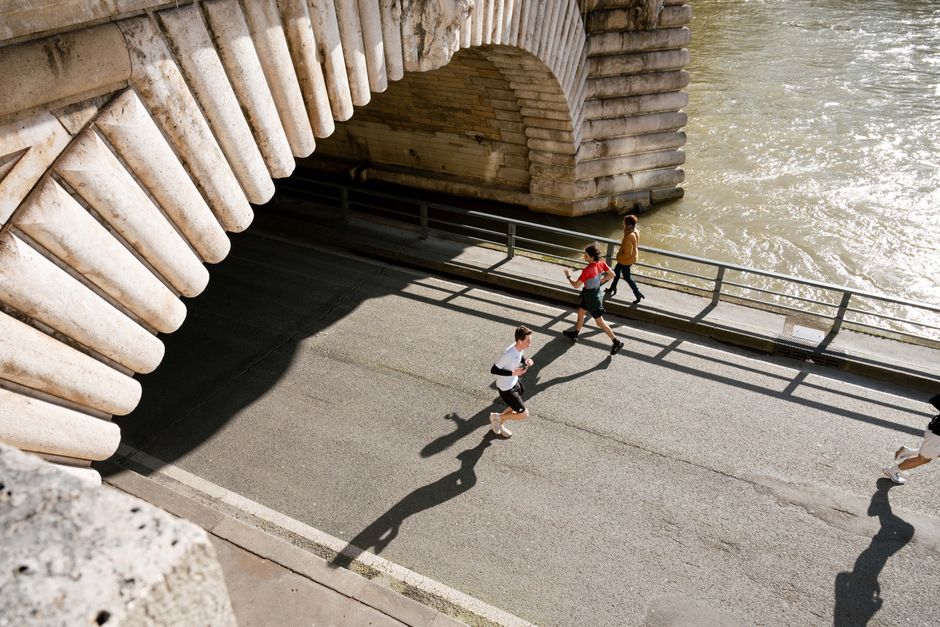
On any given morning, the quays between Pont des Invalides and Pont de l'Alma hum with activity. Locals in their sixties, seventies, and beyond walk the Seine's left bank in clusters, some with canes, most without. This isn't a formal programme—it's a habit that has quietly become Paris's most effective anti-mobility strategy.
Dr. Sandrine Meunier, a gerontologist at Hôpital Broca in the 5th arrondissement, has observed a marked shift in her older patients' habits over the past three years. "What we're seeing is less reliance on structured 'exercise' and more integration of movement into daily routines," she explains. "A 68-year-old who cycles to the Marché Bastille twice weekly isn't thinking of it as physiotherapy. They're doing their shopping."
This embedded-movement philosophy appears across the city's neighbourhoods. In the 16th, the Bois de Boulogne's cycling paths—particularly the gentler loop near Lac Inférieur—have become unofficial mobility hubs. A 2024 survey by the Vélib' system noted that senior subscribers (aged 60+) now represent 22 per cent of daily users, up from 14 per cent in 2022. The cost is modest: €65 annually for unlimited access.
The Tuileries Garden's outdoor yoga sessions, held most mornings near the central pond, attract a diverse crowd. Instructors emphasize balance and functional strength rather than flexibility—movements that directly translate to safer stair-climbing, standing on crowded métro cars, or reaching kitchen shelves.
What makes these habits stick is their social dimension and convenience. Walking the Marais's narrow streets requires negotiating curbs and uneven pavements—precisely the microbalance challenges that prevent falls. The implicit peer accountability of a regular group—whether Seine walkers or cycling companions heading to Île de la Cité—creates continuity without regimentation.
Paris's universal healthcare model also removes financial friction. An initial physiotherapy consultation costs €20–30 out-of-pocket. Many locals use this to learn foundational movements, then maintain them independently through daily habits rather than ongoing sessions.
The lesson here isn't revolutionary. It's recognition that mobility in later life thrives on habits embedded in genuine daily life: destinations that matter (markets, parks, friends), infrastructure that supports them (wide pavements, cycling lanes, public transport), and peer normalization of movement as ordinary rather than medical.
For Parisians over 60, staying mobile isn't about finding time for exercise. It's about choosing a life where movement is already woven in.
This article was compiled by AI from the sources linked above and screened before publishing. See our editorial standards.