Skip the Wellness Noise: Evidence-Based Screenings That Actually Work for Paris Living
From air quality checks to cycling injuries, here's what preventive care experts say matters most for those navigating the City of Light.
From air quality checks to cycling injuries, here's what preventive care experts say matters most for those navigating the City of Light.
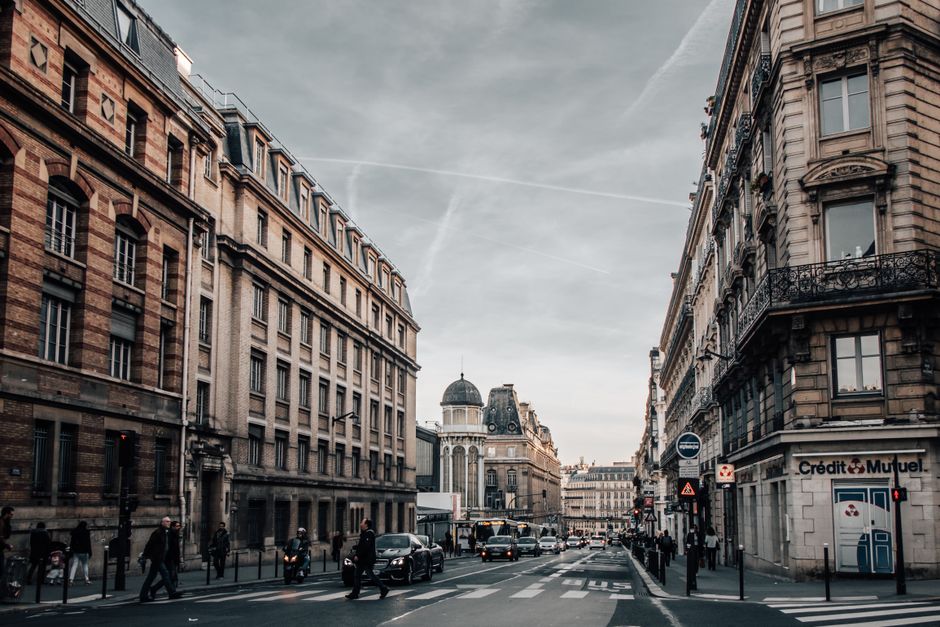
Paris's healthcare system ranks among Europe's finest, yet preventive medicine often gets overlooked in favour of reactive treatment. For residents navigating everything from Seine-side running to daily commutes on the Périphérique, tailored screening strategies make genuine difference.
Start with what local data tells us. Air quality along major arteries—particularly near Châtelet and République—fluctuates seasonally, affecting respiratory health. The Île-de-France Air Quality Agency reports elevated particulate matter during winter months. Residents over 50, or those logging regular outdoor exercise near busy intersections, benefit from baseline lung function tests. These cost roughly €80–120 through France's Assurance Maladie and take 15 minutes at clinics near Métro stations across the 5th and 6th arrondissements.
Cycling injuries represent another underestimated concern. With the Bois de Boulogne drawing thousands weekly and protected bike lanes expanding across the 11th and 12th, orthopedic screening becomes practical prevention. A single physical assessment—checking knee alignment, hip mobility, and pedalling mechanics—costs €60–90 and prevents costly interventions later. Several sports medicine clinics near Place de la Bastille specialise in cyclist assessment.
Temperature extremes matter too. Summer heat stress and winter's damp contribute to different health risks. Dermatologists recommend annual skin checks, particularly for those sunbathing along the Tuileries. The Syndicat National des Dermatologues offers free screening events quarterly; next session runs in September near Saint-Germain.
Blood pressure monitoring aligns with Paris living patterns. Stress correlates with commute times and neighbourhood density. Home devices (€25–40) paired with quarterly clinic visits provide clearer pictures than single readings. The Caisse Primaire d'Assurance Maladie across Paris's 20 arrondissements offers subsidised checks.
Finally, consider preventive dentistry. Hard water in central Paris accelerates mineral buildup. Annual scaling plus biannual check-ups (covered 100% under standard insurance for under-18s, 70% for adults) prevent cascade problems.
The evidence remains consistent: localised prevention beats generic advice. Paris's integrated healthcare system makes access straightforward. Schedule screenings aligned to your neighbourhood's specific hazards—whether that's traffic pollution near Gare de l'Est, repetitive strain from Métro navigation, or leisure-activity injuries—and you'll invest wisely in long-term wellbeing.
Always consult your médecin généraliste to determine which screenings suit your individual circumstances.
This article was compiled by AI from the sources linked above and screened before publishing. See our editorial standards.
How does this story make you feel?
Spread the word
About this article
Published by The Daily Paris
Daily brief
Free, in your inbox before 7am. Weekdays.
More in Wellness