Walk through the Tuileries Garden on any given morning, and you'll encounter a quiet revolution. Dozens of Parisians unfurl yoga mats on the manicured lawns, moving through sun salutations as the city awakens. What started as scattered individual practice has evolved into something larger: a grassroots movement toward holistic wellbeing that's reshaping how residents think about health beyond traditional medicine.
The shift reflects broader patterns across Paris. Community yoga studios in neighbourhoods from Marais to Belleville report membership growth of roughly 35 per cent over the past three years, according to the Paris Chamber of Commerce. Class costs range from €12 to €18 per session at neighbourhood studios, making wellness accessible beyond premium boutique offerings. Meanwhile, the city's universal healthcare system increasingly recognises meditation and yoga as preventative tools—some GP referrals now direct patients toward accredited instructors rather than pharmaceuticals for stress-related conditions.
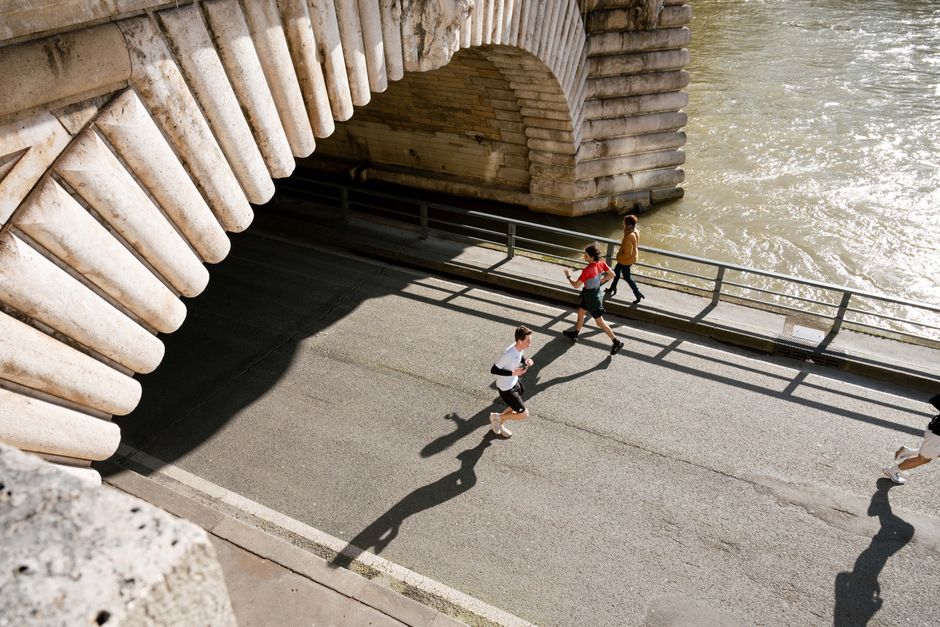
The Bois de Boulogne has become an unexpected epicentre for this transformation. Early morning gatherings near Lac Inférieur attract cyclists, joggers, and meditation practitioners who've discovered that combining movement with mindfulness creates compound benefits. One local cycling club recently integrated pre-ride breathing exercises, while running groups along the Seine riverbanks now conclude sessions with guided meditation rather than coffee-shop debriefs.
Organisations like Yoga Sans Frontières operate free drop-in classes in the 11th arrondissement, while neighbourhood associations in the 10th have established meditation circles in local libraries. These initiatives serve populations—shift workers, pensioners, parents juggling multiple jobs—who might otherwise struggle to prioritise wellness.
The impact extends beyond physical flexibility. Participants report improved sleep quality, reduced anxiety, and greater emotional resilience. Healthcare professionals note that residents engaging in regular yoga and meditation demonstrate lower cortisol levels and reduced reliance on sleeping medications, though individual results naturally vary.
What distinguishes Paris's approach is accessibility fusion. The city's existing infrastructure—riverside walking paths, public gardens, metro-adjacent studios—removes traditional barriers to entry. A resident in the 13th can attend a community class, practise alongside the Seine, or join neighbourhood wellness groups without expensive memberships or transportation costs.
This democratisation of holistic health reflects evolving attitudes: wellness isn't a luxury pursuit but foundational self-care, woven into everyday Parisian life. For those interested in starting a practice, consulting local instructors or GPs remains essential—they can recommend approaches suited to individual circumstances.
This article was compiled by AI from the sources linked above and screened before publishing. See our editorial standards.