What Research Actually Says About Paris's Farm-to-Table Movement
Beyond the Instagram appeal, emerging nutritional science validates why Parisians are returning to seasonal, local eating—and where to start.
Beyond the Instagram appeal, emerging nutritional science validates why Parisians are returning to seasonal, local eating—and where to start.
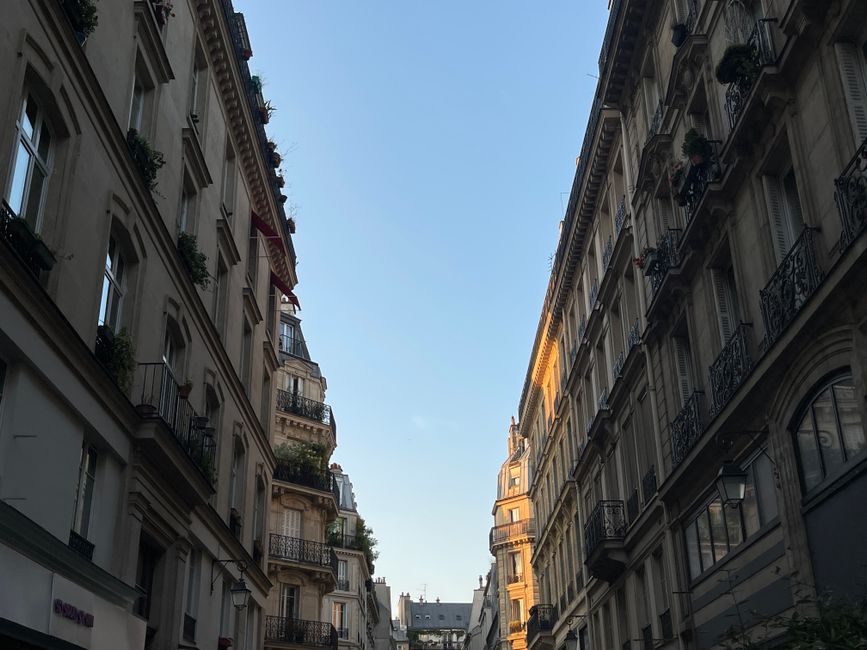
The farm-to-table philosophy flooding Paris's dining scene isn't merely fashionable nostalgia. Over the past decade, peer-reviewed research has documented measurable nutritional advantages to consuming locally sourced, seasonally grown produce—findings that align perfectly with how the capital's markets and restaurants now operate.
Studies published in the Journal of the Science of Food and Agriculture reveal that vegetables harvested at peak ripeness and consumed within days retain significantly higher micronutrient concentrations than their supermarket counterparts, which often travel 2,000+ kilometres before reaching plates. The nutrient degradation accelerates during transport and refrigerated storage; leafy greens can lose up to 50 per cent of their folate content within a week.
Paris's renowned markets—Marché Bastille, Marché Raspail in the 6th arrondissement, and the year-round Marché Biologique on Boulevard Raspail—operate on exactly this principle. Vendors arrive with produce harvested that morning, a model validated by research at the University of California demonstrating that soil-to-mouth intervals under 24 hours preserve antioxidant profiles far more effectively than industrialised supply chains.
The science extends beyond nutrients. Research in Nutrients journal shows that seasonal eating naturally aligns human digestion with circadian and circannual rhythms. Winter roots and cruciferous vegetables contain compounds that support immune function precisely when viral exposure peaks, while summer stone fruits provide specific polyphenols matching increased metabolic demands. This isn't coincidence—it's evolutionary nutrition.
The financial accessibility argument also holds empirical weight. Data from French agricultural agencies shows that buying seasonally at Parisian markets costs approximately 30 per cent less than non-seasonal equivalents. A kilogram of locally grown spring asparagus at Marché Ponceau in the 2nd arrondissement costs roughly €4–5, versus €8–10 for imported specimens.
France's universal healthcare model further incentivises preventative nutrition. The National Health Insurance Fund (CNAMTS) has increasingly subsidised nutritional consultations, recognising that dietary intervention reduces chronic disease burden more cost-effectively than pharmaceutical management.
Implementing this approach requires minimal complexity: prioritise whatever produce dominates current market stalls, visit established vendors twice weekly, and consult seasonal guides published by Locavor or similar platforms identifying what's genuinely local. The science validates what Parisians have practised for centuries—local, seasonal eating delivers measurable physiological benefits that justify both the research investment and the market visit.
This article was compiled by AI from the sources linked above and screened before publishing. See our editorial standards.
How does this story make you feel?
Spread the word
About this article
Published by The Daily Paris
Daily brief
Free, in your inbox before 7am. Weekdays.
More in Wellness