Paris has long championed the idea that fitness belongs to everyone, not just those who can afford boutique studio memberships. The city's network of conseil d'arrondissement–managed sports facilities proves this philosophy works in practice, offering hundreds of group exercise classes at a fraction of commercial rates.
The backbone of this system is Paris's 28 arrondissement-run leisure centres, each offering tailored programming. In the 4th arrondissement's Centre Sportif Beaubourg on rue de Turbigo, morning aqua aerobics classes cost around €8 per session for residents, with 10-class passes hovering near €60. Meanwhile, the Marais neighbourhood's municipal yoga offerings—held in converted community spaces between the Place des Vosges and Rue Saint-Antoine—attract a diverse demographic seeking low-cost wellness alternatives to the premium studios clustering around the Canal Saint-Martin.
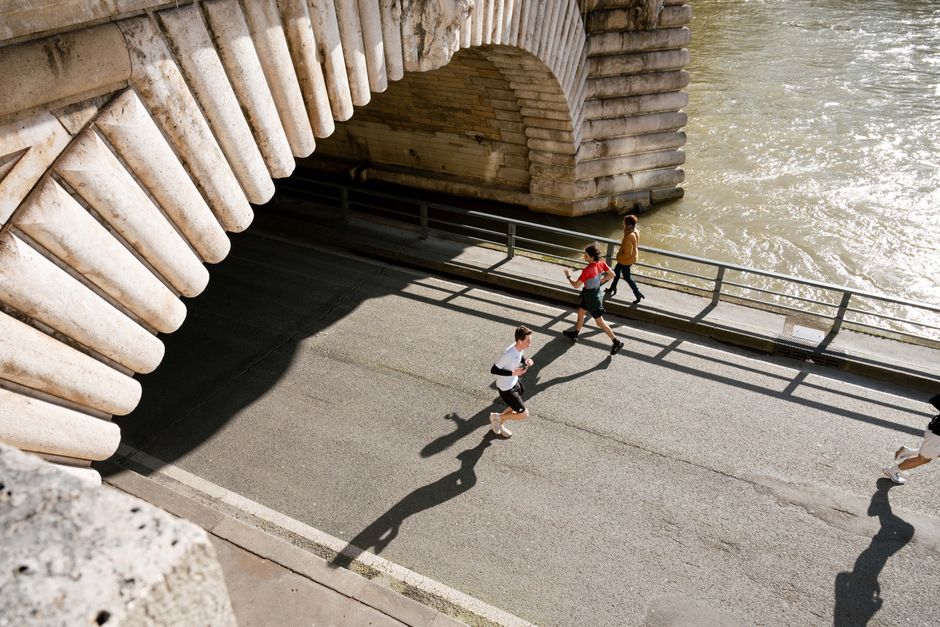
The 15th arrondissement, home to Paris's largest municipal sports complex near Porte de Versailles, runs an extensive calendar: pilates, circuit training, gentle mobility work, and dance cardio. Boot camp–style sessions along the Seine's western stretches have become increasingly popular among those wanting structured outdoor fitness without the social media aesthetic of private training groups.
Registration typically opens online through the Paris municipal website (paris.fr/pratique) each September for autumn–winter schedules and February for spring–summer programming. Most facilities require proof of residence and a nominal annual subscription (€10–€20) before booking individual classes. Peak seasons (January and September) fill quickly, but spaces open regularly throughout the year.
What distinguishes council facilities from commercial alternatives isn't merely cost—it's accessibility. Classes span ability levels, age groups, and languages. The 5th arrondissement's Tuileries outdoor yoga programme, for instance, runs beginner, intermediate, and restorative sessions simultaneously, and instructors increasingly offer cues in English and Spanish. Pricing tiering exists too: students and over-65s receive further reductions, while unemployed residents access completely free programming at designated times.
The city's cycling infrastructure makes reaching facilities convenient. The Bois de Boulogne's council-run outdoor fitness stations remain perpetually busy, though seasonality affects programming. Winter focuses on indoor classes; summer shifts emphasis to riverside running clubs and outdoor strength work.
For those accustomed to private studio environments, the transition may feel different—changing facilities are more utilitarian, studios less Instagram-curated. But the community-building aspect often surprises newcomers. Regular attendees form genuine networks across arrondissements, and instructors typically stay with facilities for years, creating continuity.
Paris's commitment to subsidised public fitness represents wellness as a municipal service, not luxury commodity. Whether you're seeking structured accountability or exploring new movement practices, council facilities remain the city's most democratic gateway to group exercise.
This article was compiled by AI from the sources linked above and screened before publishing. See our editorial standards.