Five years ago, finding a meditation class in Paris required persistence. Today, studios in the 6th and 11th arrondissements advertise drop-in sessions daily, and apps like Petit Bambou—founded by a Frenchman in 2014—now claim over two million users across the francophone world. Yet France remains notably behind Anglo-American markets in formalised mindfulness uptake, a gap that reveals as much about French culture as it does about global wellness trends.
The contrast is striking. In London and New York, corporate mindfulness programmes have become standard. According to a 2024 survey, 72% of major US firms offer meditation or stress-reduction initiatives. In Paris, that figure sits around 31%, according to industry analysts tracking French corporate wellness. Yet enthusiasm is growing. The Marais and Canal Saint-Martin neighbourhoods now host at least seven dedicated mindfulness centres, while traditional yoga studios near the Tuileries Gardens report membership increases of 40% year-on-year.
Why the delay? French scepticism toward American-style wellness commercialisation plays a role. The notion that meditation requires expensive apps or branded sessions contradicts a deeply held republican value: that wellbeing should be accessible, not commodified. Simultaneously, France's universal healthcare model means mental health support remains subsidised through médecins généralistes and public psychology services, reducing urgency for private alternatives. Yet those services are under strain, with average wait times for public psychotherapy now exceeding eight weeks in Paris.
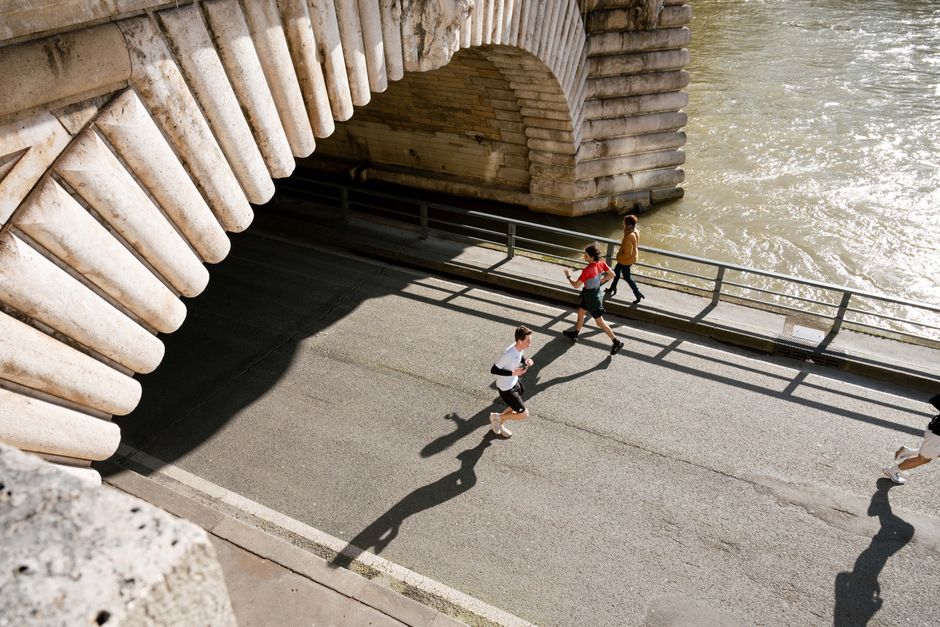
The local response has been organic. Parisian running clubs along the Seine riverbanks increasingly incorporate breathwork and mindfulness into post-run gatherings. The Bois de Boulogne hosts free meditation sessions on weekend mornings, while Mairie initiatives in districts like the 10th have introduced subsidised mindfulness workshops in community centres. A 30-minute private session in central Paris averages €45–60, compared to €80–120 in London, reflecting both affordability and lower market saturation.
The science driving this shift is identical worldwide: cortisol reduction, improved sleep, enhanced focus. What differs is packaging. French practitioners tend toward secular, evidence-based approaches—mindfulness without the spiritual rhetoric—making it philosophically palatable to a secular public.
For Parisians newly exploring stress management, the advice remains universal: consistency matters more than method. Whether through free riverside walks, subsidised municipal classes, or private sessions in the 5th or 8th arrondissements, regular practice yields measurable results. As global trends finally take root locally, Paris is discovering that timeless wisdom requires neither Silicon Valley validation nor premium pricing.
This article was compiled by AI from the sources linked above and screened before publishing. See our editorial standards.