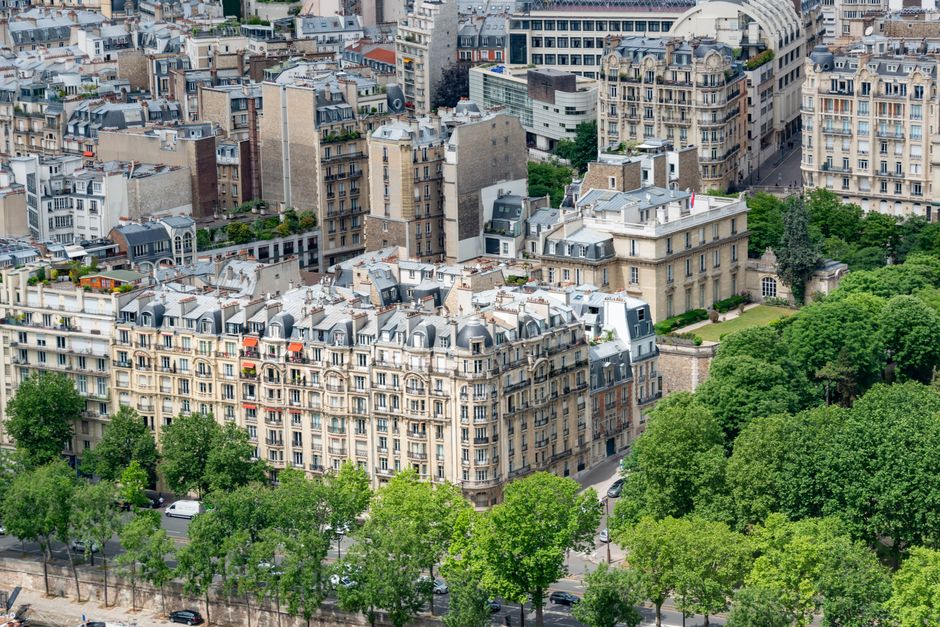
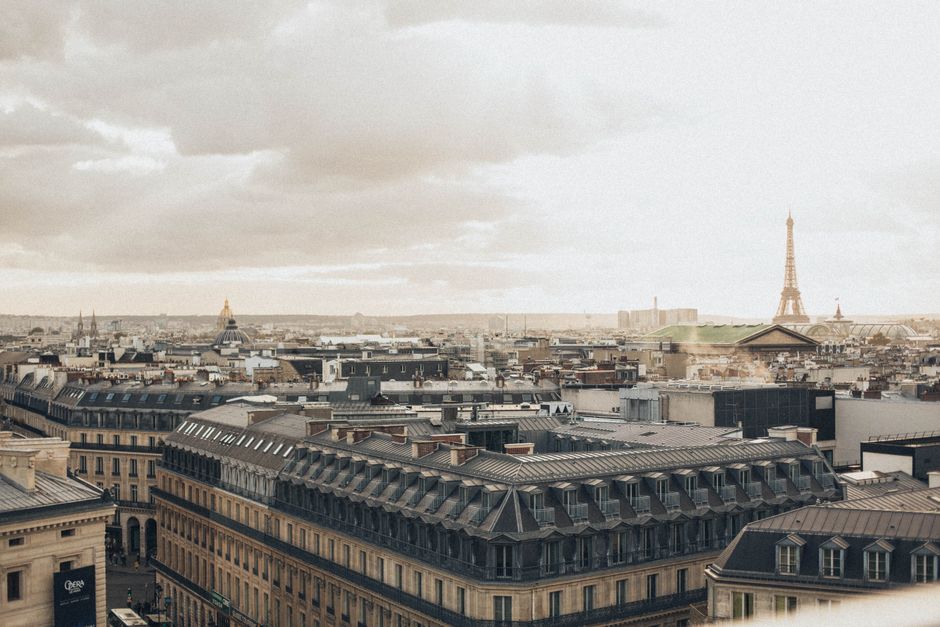
Walk into any wellness retreat in Bali or Los Angeles, and you'll hear the same refrain: biohacking, genetic testing, longevity protocols. But in Paris's 5th arrondissement, inside the modest brick buildings of clinics along rue Monge, something quieter and arguably more effective is happening. France's universal healthcare system is fundamentally reshaping how preventive medicine works—and it's rewriting the global playbook.
Unlike the fragmented American model that rewards expensive executive physicals or the boutique wellness circuit dominating Instagram, France offers something radical: systematic, affordable screening embedded into ordinary healthcare. Every French resident over 50 receives a colonoscopy invitation. Mammography screening follows standardized protocols. Blood pressure checks happen at pharmacies on rue de Rivoli without appointment fees. The result? France consistently outperforms wealthier nations in preventive disease detection, according to OECD health data.
"What makes Paris different isn't innovation—it's equity," explains the preventive health landscape here. The Hôpital Cochin near the Panthéon runs age-specific screening programmes that rival private clinics in outcomes, while costing substantially less. A baseline preventive screening package—blood work, cardiovascular assessment, cancer risk evaluation—costs around €150 through public healthcare versus $2,000+ in Manhattan.
This systematic approach contrasts sharply with global wellness trends. While Silicon Valley obsesses over continuous glucose monitors and biometric wearables, Paris's healthcare infrastructure focuses on high-impact screenings proven to extend healthy life. The French aren't rejecting wellness technology; they're simply prioritizing population-level evidence over individual optimization theater.
Yet uptake remains uneven. Younger Parisians, particularly those in the 8th and 16th arrondissements with higher incomes, increasingly pursue private preventive packages blending traditional screening with cutting-edge biomarker analysis. Meanwhile, screening participation in outer arrondissements like the 19th and 20th lags behind wealthier neighbourhoods—a reminder that even universal systems face equity gaps.
The lesson for global wellness culture is sobering: most trending protocols lack the clinical evidence behind France's foundational screenings. A colonoscopy at 50 prevents more deaths than any supplement regimen. Systematic blood pressure monitoring saves more lives than biohacking protocols. Paris's quiet revolution demonstrates that preventive health's greatest power isn't in disruption—it's in consistent, accessible, science-backed care.
For Parisians, this means consulting your GP or visiting a local clinic to understand your screening schedule. For the rest of us, it's a reminder that wellness isn't measured in Instagram moments—it's measured in decades of healthy life.
This article was compiled by AI from the sources linked above and screened before publishing. See our editorial standards.