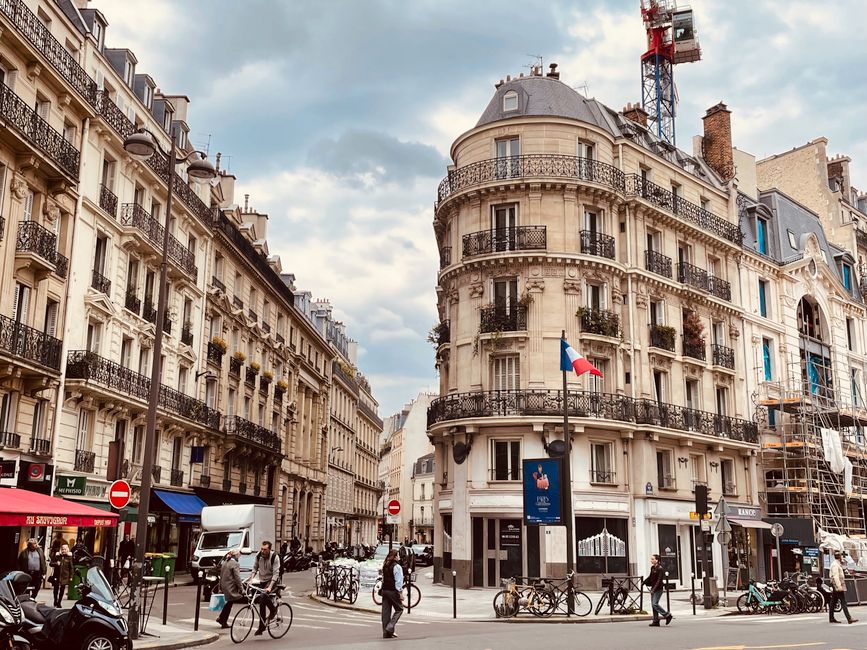
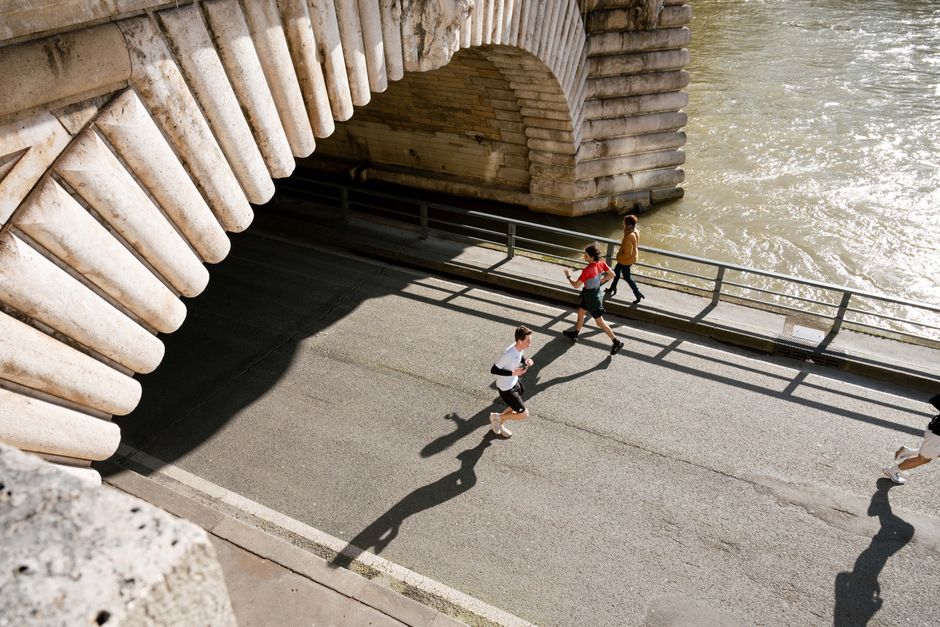
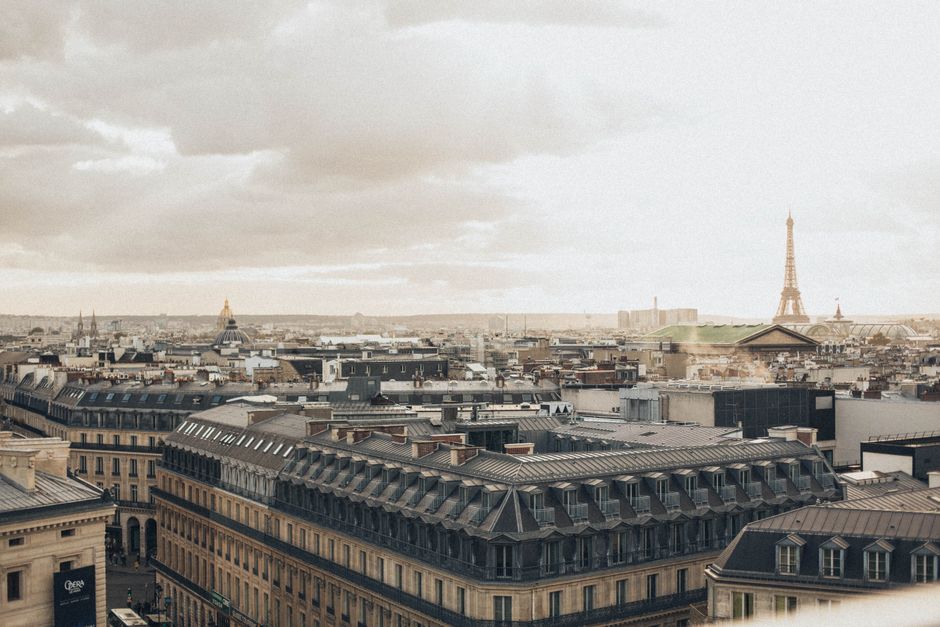
In the narrow streets of the Marais and along the Canal Saint-Martin, a quiet shift in how Parisians approach their days has taken root. Not through expensive retreats or elaborate studio memberships, but through modest, repeatable habits woven into the existing fabric of Parisian life.
The pattern is consistent: early risers on the Tuileries Gardens lawns perform sun salutations between 6:30 and 7:15am, integrating movement into their commute before heading toward the Louvre or office towers in the 1st arrondissement. These aren't aspirational Instagram moments. They're practical solutions to Paris's notoriously stressful work culture and dense urban living. France's universal healthcare system may cover physiotherapy and stress-related treatments, yet many locals report that self-directed breathwork prevents needing those interventions altogether.
The Bois de Boulogne has become an unofficial wellness hub, where cycling meets meditation. Several informal groups gather near Lac Inférieur three times weekly, combining gentle movement with guided mindfulness—free, open to all, requiring only a willingness to show up. This accessibility matters in a city where yoga studio classes often range from €15 to €25 per session.
What's emerged from conversations across the 5th and 11th arrondissements is a preference for micro-practices over marathon sessions. Ten minutes of pranayama (breathing exercises) during the métro commute. Three minutes of grounding before lunch at a desk. Evening body scans while sitting on the narrow balconies of pre-war apartments overlooking Rue de Turenne or Boulevard Beaumarchais. Neuroscience supports these fragments—consistency matters far more than duration for establishing neural pathways linked to calm and focus.
Local organisations like Paris-based wellness nonprofits have documented that habit-stacking—attaching meditation to existing routines like morning coffee or evening walks along the Seine—produces higher retention rates than standalone practice. The habit becomes invisible, almost automatic, rather than another obligation competing for already-stretched time.
The success lies in removing friction. A yoga mat stays rolled beside the bed. Meditation apps are kept on the home screen, not buried in folders. Walking routes are chosen specifically for their quieter stretches—the underutilised pathways near Île Saint-Louis, the tree-lined edges of the 6th arrondissement—where the city's ambient noise diminishes enough for genuine attention to settle.
For those considering similar practices, starting with one small habit—five minutes of conscious breathing paired with your morning routine—mirrors what locals have found actually sustainable. The goal isn't transformation through intensity, but transformation through patience and proximity to daily life.
This article was compiled by AI from the sources linked above and screened before publishing. See our editorial standards.