Walking past the Tuileries Gardens on a Wednesday morning, you'll spot a growing phenomenon that has quietly transformed Paris's approach to ageing well: dozens of residents over 60, moving through carefully choreographed routines of tai chi and gentle stretching, their instructor calling out encouragement from beneath the plane trees.
This scene, repeated across Paris's neighbourhoods, reflects a significant shift in how the city's council is tackling sedentary lifestyles among older adults. Since 2024, Paris's Direction de la Jeunesse et des Sports has expanded its free senior fitness programme, partnering with local arrondissement councils to offer more than 40 weekly group classes at zero cost. The initiative, developed alongside gerontologists and sports medicine specialists, recognises a growing health challenge: according to recent French health surveys, over 60 per cent of Parisians over 65 report insufficient physical activity.
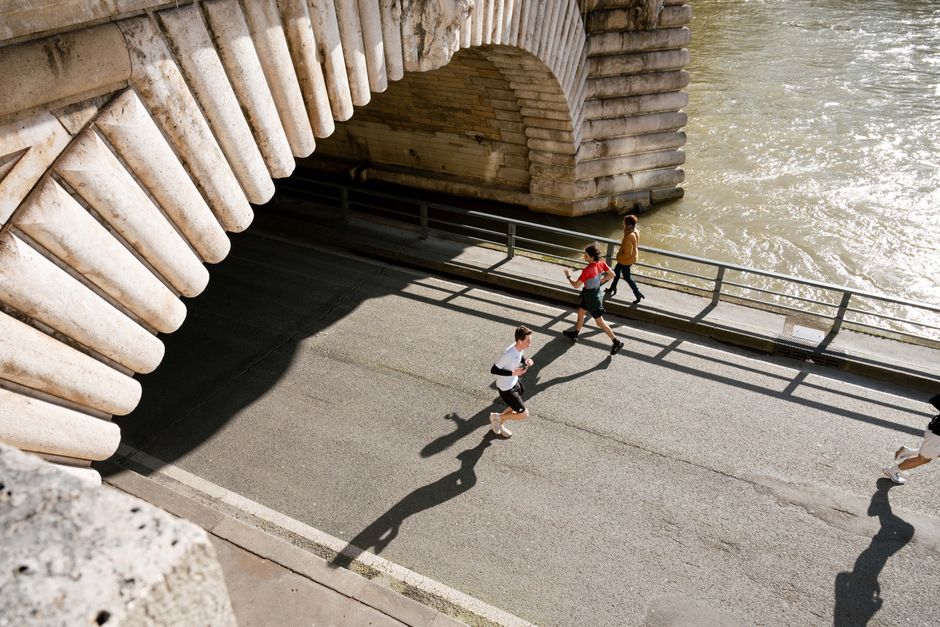
The breadth of offerings is remarkable. The 4th arrondissement runs aquatic exercise classes in the Marais district's public pools—ideal for those with joint concerns. The 5th and 6th organise guided running groups along the Seine's left bank, while the Bois de Boulogne hosts cycling workshops for beginners on Thursday afternoons. In the 11th, low-impact Pilates sessions meet twice weekly in community centres near République.
What makes these programmes particularly valuable is their accessibility. Classes are deliberately designed with shorter durations—typically 45 to 60 minutes—and instruction emphasises adaptability rather than intensity. Participants bring their own mats or use provided equipment; no membership or registration fees apply, though advance booking through each arrondissement's website is recommended.
Early data suggests the gambit is working. The 1st arrondissement reported a 34 per cent increase in over-60 participation in council-run fitness activities between 2024 and early 2026. Beyond physical metrics, supervisors note secondary benefits: participants report improved confidence, social connection, and reduced isolation—factors increasingly linked to healthy ageing outcomes.
Paris's universal healthcare model supports this preventive approach, with physiotherapists and GPs increasingly referring patients to these free programmes as part of chronic disease management. The city's dense, walkable neighbourhoods and established cycling infrastructure naturally complement such initiatives.
For Parisians exploring whether group exercise might suit them, checking your arrondissement's website or visiting your local mairie provides complete schedules and contact details. Instructors welcome newcomers regardless of fitness background, emphasising that group exercise—whether along the Seine or beneath the Tuileries' historic trees—remains one of the most sustainable paths to lifelong wellbeing.
This article was compiled by AI from the sources linked above and screened before publishing. See our editorial standards.