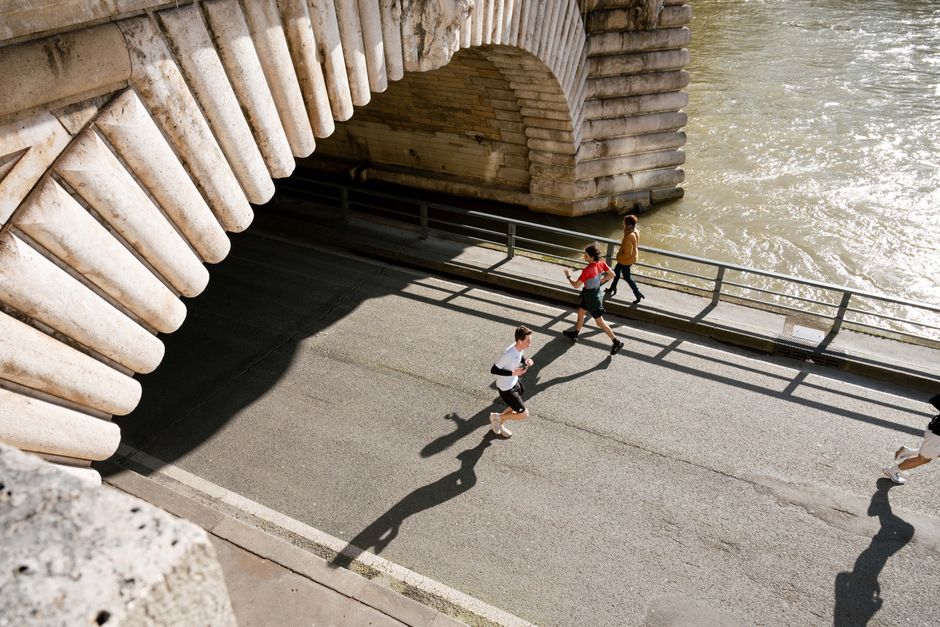
On any given morning along the Promenade de la Rive Gauche, you'll spot them: residents in their sixties, seventies, and beyond, walking with purposeful strides, often in small groups. What was once an afterthought of urban wellness has quietly become embedded in Paris's identity as a city that refuses to let age slow it down.
The shift is visible across neighbourhoods. In the 4th arrondissement, the Marais-based association "Activ'Âges" has expanded its weekly mobility classes from one session to five, now hosting everything from gentle strength training in adapted studio spaces to "Nordic walking" sessions that trace the Canal Saint-Martin. The demand has been so consistent that their waiting list currently runs eight weeks. Similar programmes have sprouted in Belleville and along the Bois de Boulogne perimeter, where cycling clubs specifically designed for over-60s have trebled in membership since 2023.
What's driving this momentum? Paris's healthcare framework plays a role. France's universal system increasingly reimburses preventative mobility work—physiotherapy sessions, group fitness classes, and posture coaching—recognising that investment in movement prevents far costlier interventions later. But infrastructure matters equally. The city's 2,700 kilometres of cycling paths and continuous riverside walkways eliminate the friction that deters older adults in less pedestrian-friendly cities. An ageing population simply has better options here.
The Tuileries has become an unexpected hub. Beyond the famous outdoor yoga sessions (now including dedicated "golden years" classes three times weekly), the gardens host a rotating schedule of tai chi, aquatic therapy partnerships with nearby facilities, and balance-and-fall-prevention workshops. Local physiotherapists have noticed the cultural shift: mobility is no longer something you pursue after a health scare, but a recognised part of staying rooted in your neighbourhood.
Pricing varies. Public offerings through mairies (town halls) typically cost €40–80 monthly; private studios in affluent areas like the 8th arrondissement charge €120–180. But the growth has been democratic—suburban stations in the 20th and 13th now host free morning fitness groups, and online platforms connecting older Parisians with peer-led walking groups have exploded in popularity.
What's remarkable isn't just the participation, but the normalisation. Active ageing has shifted from marginal wellness trend to embedded urban practice, woven into how Paris imagines life after 60. For a city that already values longevity—and the pleasures of moving through its streets—the transition has felt almost natural.
This article was compiled by AI from the sources linked above and screened before publishing. See our editorial standards.