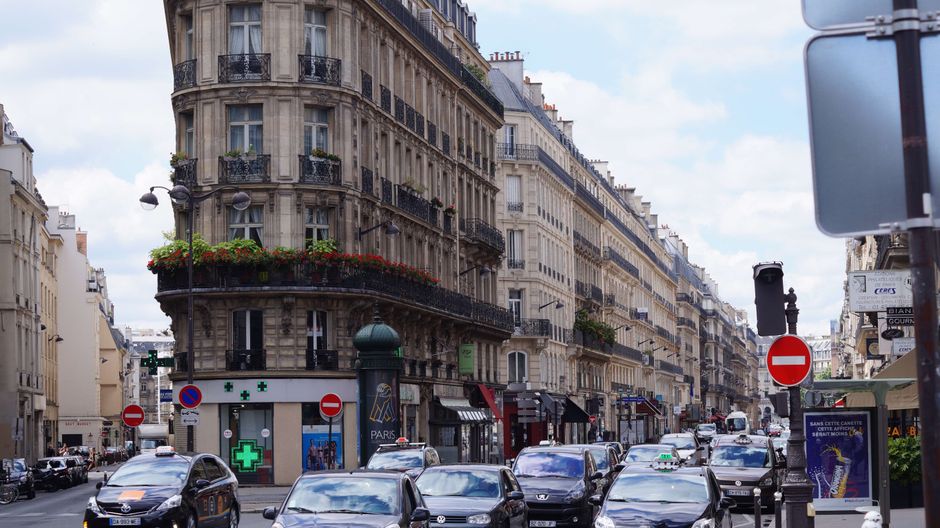
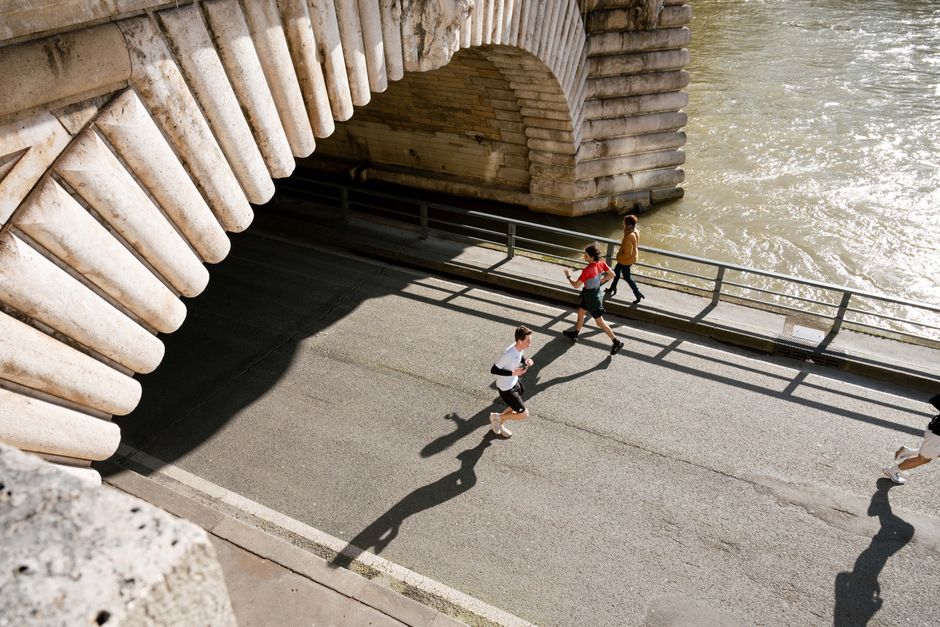
Walk along the Seine near Pont de l'Alma on any given morning, and you'll spot joggers, cyclists, and increasingly, people sitting cross-legged in silence. The rise of mindfulness practices in Paris reflects a broader European trend—but unlike social media wellness claims, rigorous science now underpins what's happening in these quiet moments.
Neuroscientific research over the past two decades has fundamentally shifted how medical institutions view meditation. Brain imaging studies consistently show that regular mindfulness practice increases grey matter density in the prefrontal cortex and hippocampus, regions crucial for emotional regulation and memory. French research institutions, including teams at Sorbonne Université, have contributed significantly to this body of evidence, documenting measurable changes in stress hormone cortisol levels within eight weeks of consistent practice.
The Hôpital de la Pitié-Salpêtrière has incorporated mindfulness-based stress reduction (MBSR) into clinical protocols for anxiety and chronic pain management. What began as alternative practice is now integrated into France's universal healthcare model, with sessions increasingly covered by the French social security system when administered by certified practitioners. A 2024 meta-analysis examined over 8,000 clinical trials across European healthcare systems, finding mindfulness interventions reduced anxiety symptoms by an average of 34 percent—comparable to some pharmaceutical approaches without the side effects.
Paris-based wellness centres in the Marais and near Tuileries Gardens now offer classes grounded explicitly in this research. Practitioners reference vagal tone activation, the parasympathetic nervous system's role in stress recovery, and neuroplasticity—not mystical concepts but measurable physiological processes. Sessions typically cost €18-25 per class or €80-120 monthly, making them accessible compared to private therapy at €60-100 per session.
What distinguishes current science from earlier wellness culture is specificity: research identifies which populations benefit most (those with generalized anxiety, insomnia, and work-related stress show strongest responses), optimal duration (20-30 minutes daily outperforms sporadic longer sessions), and measurable outcomes beyond subjective feeling. The Bois de Boulogne's outdoor yoga community and Seine-side running groups represent informal applications of these principles—movement combined with present-moment awareness amplifies benefits.
The takeaway isn't that mindfulness is miraculous, but rather that it's a legitimate neurobiological tool. For Parisians navigating urban stress, the science validates what ancient traditions knew: attention to breath and present awareness literally changes brain structure. That's not philosophy—it's neurology.
This article was compiled by AI from the sources linked above and screened before publishing. See our editorial standards.