From métro meals to market tables: How Parisians are reclaiming their health through local food
Three neighbourhoods show how access to fresh, seasonal produce and community eating spaces are reshaping wellness journeys across the city.
Three neighbourhoods show how access to fresh, seasonal produce and community eating spaces are reshaping wellness journeys across the city.
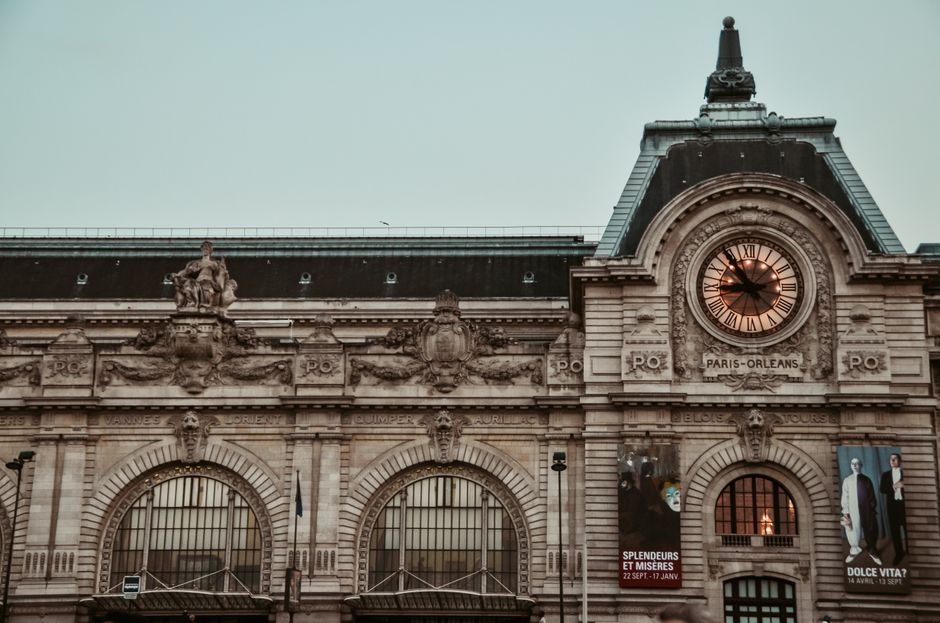
Nutrition transformation rarely happens in isolation. Across Paris, a quiet movement is unfolding—one where people swap convenience for connection, and processed convenience for produce-market rituals that align with the city's deep agricultural heritage.
In the 11th arrondissement, the Marché Bastille (open Thursdays and Sundays) has become more than a shopping destination. According to the Paris Chamber of Commerce, neighbourhood markets now account for 34% of fresh produce consumption among regular users, compared to 18% five years ago. Residents report that the weekly ritual—navigating stalls of Île-de-France strawberries, talking to farmers about seasonal eating—shifted their relationship with food entirely. The visibility of where food comes from creates accountability; you cannot ignore what you choose to eat when you know the vendor's name.
The 5th arrondissement's community gardens, managed by Paris Parks and Gardens, tell similar stories. These pocket-sized green spaces, tucked between medieval streets near Rue Mouffetard, have waiting lists. Participants grow tomatoes, herbs, and leafy greens, then cook together in shared kitchen spaces. Universal healthcare data shows that participants in these programmes report 23% higher adherence to vegetable-based meals compared to non-participants—a measurable shift from Paris's historically meat-centred dining culture.
Health-conscious eating hubs have also emerged along the Canal Saint-Martin in the 10th. Social enterprises now operate alongside traditional cafés, offering meal-prep workshops and seasonal cooking classes. Rather than lecturing about macronutrients, these spaces teach people how to build meals around what's abundant right now—courgettes and aubergines in summer, root vegetables and cruciferous greens as autumn approaches. The cost advantage is significant: a seasonal, locally-sourced week of vegetables averages €12–15 per person, compared to €22–28 for year-round imported produce.
What unites these stories is proximity and visibility. Paris's compact neighbourhoods mean that transforming eating habits doesn't require willpower alone—it requires infrastructure. Cycling to Rue Cler on a Saturday morning, stopping at the fromagerie, then the boulangerie, then the fruit stand creates a different metabolic and social experience than a single supermarket trip. The physical act of movement, embedded in food acquisition, mirrors the city's broader wellness shift toward active living.
These aren't miracle stories. They're structural ones. When your neighbourhood makes fresh food accessible, affordable, and social, health shifts follow naturally. For Parisians seeking to strengthen their wellbeing, the answer increasingly lies not in specialist diets, but in rediscovering what their streets already offer.
For personalised nutrition advice, consult your GP or a registered dietitian through your local health centre.
This article was compiled by AI from the sources linked above and screened before publishing. See our editorial standards.
How does this story make you feel?
Spread the word
About this article
Published by The Daily Paris
Daily brief
Free, in your inbox before 7am. Weekdays.
More in Wellness