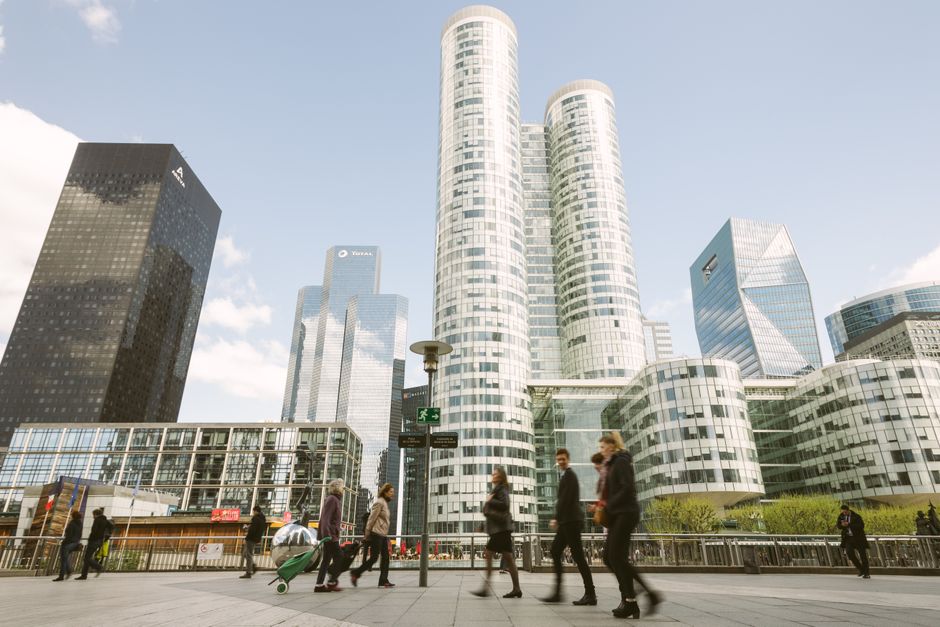
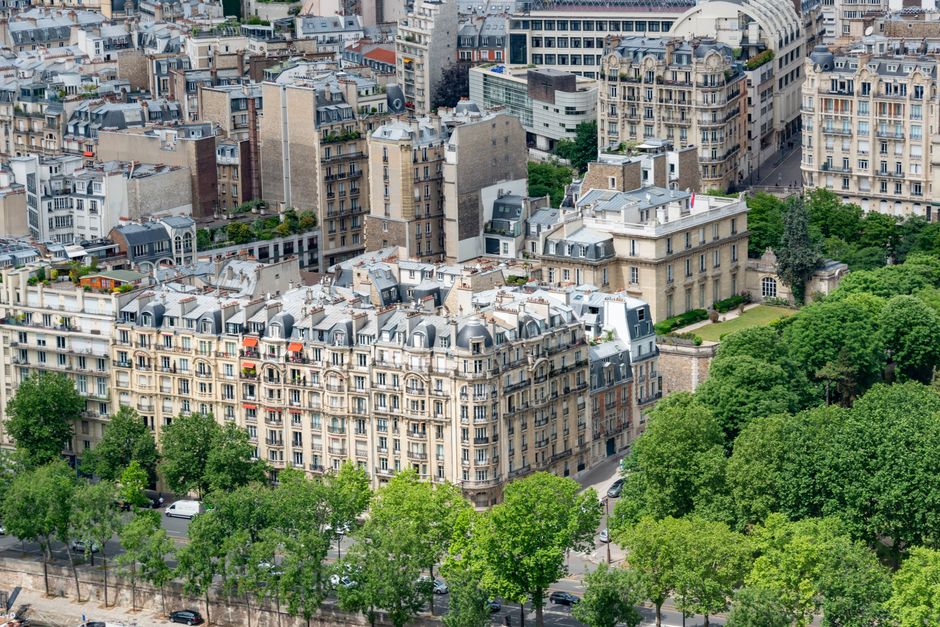
Walk through the Marais on any given Tuesday afternoon and you'll spot them: clusters of founders hunched over laptops in cafés along Rue des Francs-Bourgeois, their conversations drifting between French and English, sketching product roadmaps on napkins. This scene—replicated in co-working spaces from Station F to Cité de l'Innovation—represents something genuinely distinctive in the global venture capital landscape. Paris isn't trying to copy Silicon Valley. It's building something deliberately different.
The numbers tell part of the story. In 2025, French startups raised €9.2 billion in venture funding, with Paris capturing roughly 60% of that. But the real distinction lies not in raw capital flow—London and Berlin both compete fiercely—but in the ecosystem's structural advantages. The French government's scale-up visa, introduced in 2018, removed bureaucratic friction that strangles international founders elsewhere in Europe. Today, nearly 40% of Paris tech talent hails from outside France, drawn partly by this policy clarity and partly by something more intangible: acceptance of long-term thinking.
Unlike American venture, which prizes hockey-stick growth trajectories and 10-year exits, Paris's institutional investors—Eurazeo, Partech, Idinvest—increasingly back founders betting on sustainable, European-scale businesses. This shift attracts founders burned out by relentless Series A treadmills. The median time to Series B funding here hovers around 18 months, significantly longer than San Francisco's 12, but venture partners view this patience as feature, not bug. It permits product-market fit over premature scaling.
Geography reinforces this. Station F, housed in a former railway depot in the 13th arrondissement, functions as more than real estate. Its 1,000 desks and access to mentorship networks create density without the stratospheric rents of Palo Alto. A junior engineer in Paris commands €45,000–€55,000 annually; equivalent talent in the Bay Area demands double. When your burn rate is half that of competitors, you can outcompete on runway and risk tolerance.
Critically, Paris's tech ecosystem hasn't divorced itself from the city's intellectual culture. Unlike sprawling tech campuses isolated from urban life, Paris startups remain embedded in neighborhoods with publishing houses, design schools, and galleries. This produces founders thinking beyond pure software—climate tech companies like Greensill and Sorare built meaningful products rather than chasing hype cycles.
As geopolitical fractures widen between U.S. and Asia, venture capital increasingly recognizes Paris's position: neither Silicon Valley clone nor continental afterthought, but a deliberate countermodel. For 2026, that distinctiveness is becoming its greatest asset.
This article was compiled by AI from the sources linked above and screened before publishing. See our editorial standards.