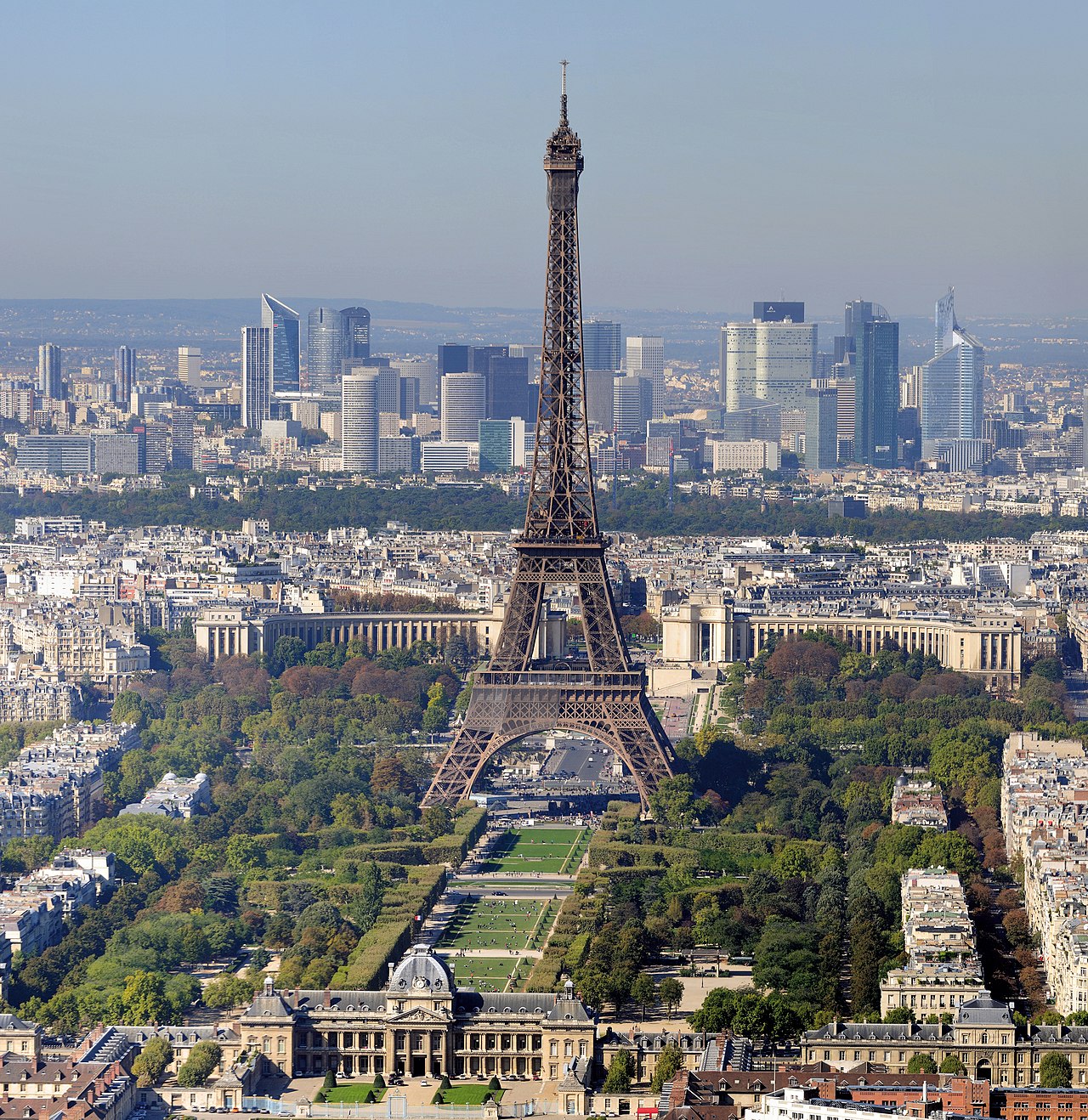
The gleaming office towers sprouting along the Canal Saint-Martin tell one story about Paris's transformation into a technology juggernaut. But walk deeper into the 10th and 11th arrondissements, where thousands of workers fuel this startup economy, and a more complicated narrative emerges—one that tech leaders increasingly cannot ignore.
Paris now hosts over 5,500 active startups, nearly double the figure from 2019. Venture capital poured €4.2 billion into the city last year alone. Companies like Mistral AI, valued at €2 billion, and dozens of scale-ups clustered around Station F—the world's largest startup campus on the Left Bank—have positioned the French capital as a genuine rival to Berlin and London. Yet beneath this glittering success sits a troubling reality.
Labour conditions in logistics hubs serving e-commerce and delivery platforms have drawn criticism from unions and civil rights groups. Warehouse workers near the périphérique report injury rates significantly above national averages. Meanwhile, venture-backed companies aggressively expanding AI capabilities face mounting scrutiny over data privacy. Earlier this month, a Paris-based recruitment tech firm came under investigation for allegedly using biased algorithms that systematically disadvantaged candidates from immigrant backgrounds—a painful irony in a city celebrating innovation as a path to inclusion.
Surveillance capitalism presents another tension. Startups building facial recognition and behavioural tracking systems operate in a regulatory grey zone. While France's CNIL digital regulator attempts oversight, the pace of deployment often outstrips policy frameworks. In the Marais, a neighbourhood rebranding itself as a hub for 'ethical tech', some entrepreneurs acknowledge privately that governance lags far behind technical capability.
Housing affordability offers perhaps the starkest paradox. Tech salaries—easily €60,000-€120,000 for mid-level engineers—have turbocharged real estate prices across central arrondissements, pricing out teachers, healthcare workers, and service sector employees who built Paris's cultural fabric. The very prosperity innovation promises has pricing them out of the city itself.
Yet dismissing Paris's tech moment would miss something genuine. A growing cohort of founders consciously building 'responsible AI' ventures, transparency-focused platforms, and worker-centred models shows the sector isn't monolithic. The challenge, as the city stands at an inflection point, is whether the conversation about ethics becomes mainstream dogma or remains a niche concern for idealistic startups.
Paris's next chapter as a technology capital depends less on breakthrough innovations than on whether business leaders, regulators, and society can honestly reckon with whose interests innovation truly serves.
This article was compiled by AI and screened before publishing. See our editorial standards.