Paris's Tech Scene Is Quietly Reshaping How the City Works
From AI-powered transport to neighbourhood innovation hubs, startups across the capital are solving problems that touch millions of daily commutes and interactions.
From AI-powered transport to neighbourhood innovation hubs, startups across the capital are solving problems that touch millions of daily commutes and interactions.
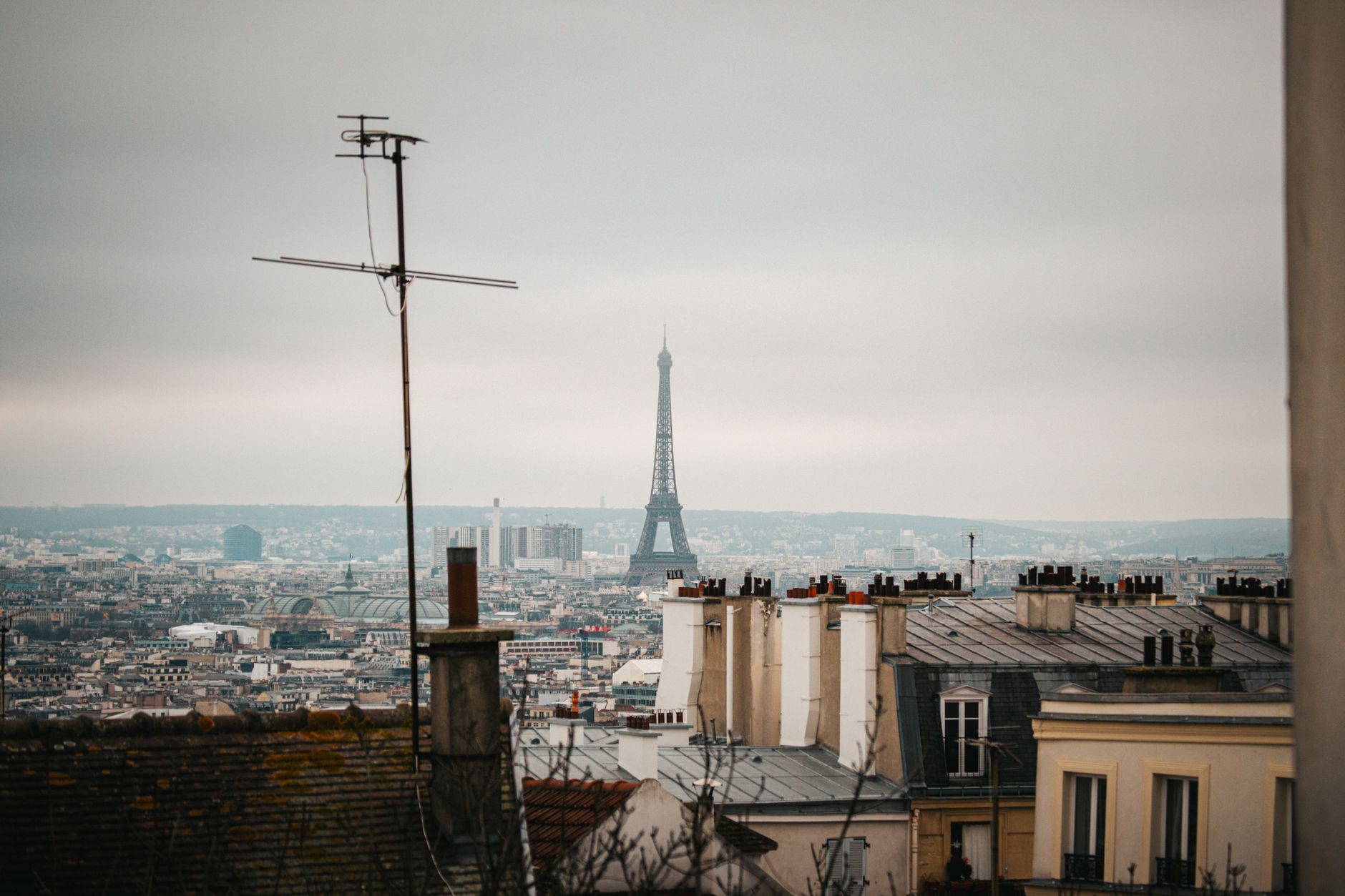
Walk through the Marais on a Wednesday morning and you'll spot founders nursing espressos in converted warehouses. Cross to the Left Bank and you'll find researchers hunched over laptops in offices that didn't exist two years ago. Paris's technology ecosystem has stopped being a footnote in Europe's startup story—it's become impossible to ignore.
The shift is visible in the numbers. According to recent venture capital tracking, the Île-de-France region attracted €2.3 billion in tech funding over the past twelve months, a 40 percent increase from 2024. Station F, the sprawling startup campus near Boulevard Vincent Auriol, now hosts over 1,000 active companies, up from 600 in 2023. The momentum extends to the 11th arrondissement, where République has transformed into a secondary tech hub, with co-working spaces and development studios occupying former industrial buildings.
What's driving this isn't venture capital chasing hype. It's practical problems meeting engineering talent. Urban mobility startups are tackling Paris's congestion with AI-optimised routing systems that integrate RATP data in real-time. Three companies operating from the Latin Quarter are competing to refine last-mile delivery logistics, responding to the city's €140 annual spending on congestion-related costs. Meanwhile, healthcare tech firms—clustered around the 13th arrondissement's growing biotech corridor—are developing diagnostic tools trained on data from Paris hospitals.
The city's universities are fuelling this growth. ESSEC, HEC, and École Polytechnique are spinning out deep-tech ventures at an accelerating pace. A quarter of all French AI startups founded in the past eighteen months have at least one founder with a Paris university connection. The collaboration between academic institutions and industry has become structural rather than accidental.
Housing costs remain a friction point—a small office near Bastille runs €800-1,200 per month—but cheaper neighbourhoods like Belleville and Oberkampf are attracting satellite teams. Remote work has dissolved the requirement for prime real estate, allowing companies to spread beyond the traditionally expensive central districts.
What distinguishes Paris's current moment isn't that it's become Silicon Valley—it isn't and won't. Instead, the city is building something different: tech that responds to European problems, regulatory frameworks, and values. That's increasingly attractive to both founders and the international investors watching them.
This article was compiled by AI and screened before publishing. See our editorial standards.
How does this story make you feel?
Spread the word
About this article
Published by The Daily Paris
Daily brief
Free, in your inbox before 7am. Weekdays.
More in tech