Paris Tech Boom Reshapes Job Market: What Workers and Job Seekers Need to Know
As AI investment floods the Marais and Station F expands, salary expectations and skill demands are shifting faster than ever.
As AI investment floods the Marais and Station F expands, salary expectations and skill demands are shifting faster than ever.
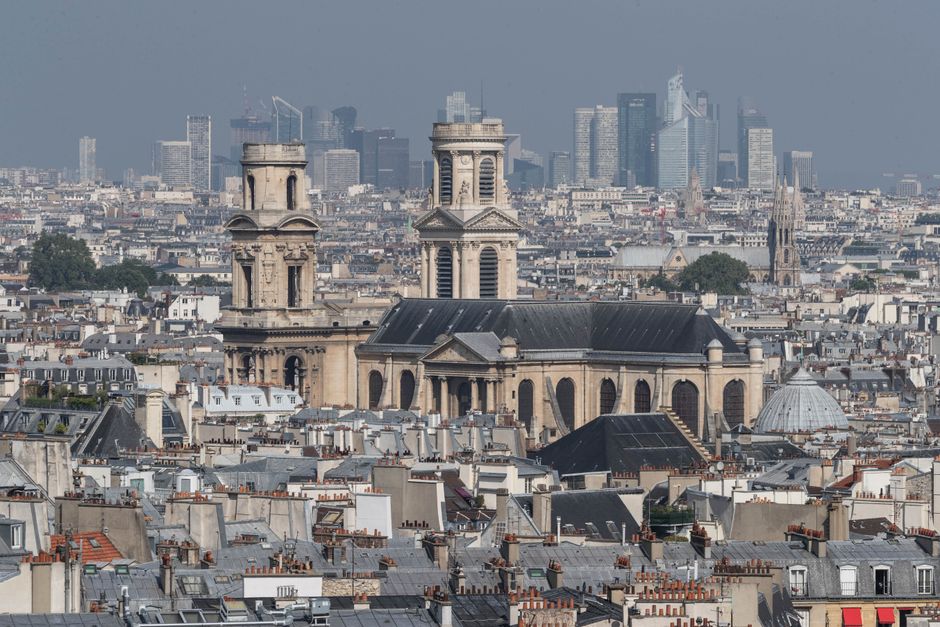
Paris's technology sector is undergoing its most significant transformation in a decade, and professionals navigating the job market need to understand the shifting terrain. With venture capital investment in French tech reaching €9.2 billion last year, the competition for talent—and the opportunities available—have fundamentally changed the employment landscape across the city's innovation hubs.
The concentration of activity remains heavily centred around Station F in the 13th arrondissement, where over 1,000 startups now operate alongside corporate innovation labs. But the ecosystem has decentralized significantly. The Marais, historically a startup haven, now hosts more established scale-ups and corporate offices, while emerging talent clusters are forming in Belleville and along the Canal Saint-Martin corridor. For job seekers, this means opportunity isn't limited to a single postcode anymore.
Salary expectations have risen sharply. Mid-level software engineers in Paris can now command €55,000 to €75,000 annually—a 25% increase from 2024. Product managers and data scientists command even higher premiums, particularly those with AI and machine learning credentials. However, competition remains fierce: recruiters report that specialized AI talent can attract multiple offers within days. The challenge for professionals is that these elevated salaries often come with demanding equity packages that require careful evaluation.
Skills requirements have shifted. While traditional backend development remains valuable, companies across sectors now actively recruit for AI integration expertise, even outside dedicated AI roles. French language proficiency, once a barrier, has become less essential in larger multinational offices, though it remains advantageous for positions involving stakeholder management or regulatory compliance.
Remote work has stabilized at a hybrid model—typically three days onsite—across most major players. This affects commuting costs and lifestyle planning for those relocating to Paris. Monthly transport passes cost €85.30, a consideration when budgeting for relocation.
For job seekers, several practical moves matter now: Building portfolio projects demonstrating AI implementation is more valuable than academic credentials alone. Networking through venues like Le Tank in the 10th arrondissement or attending events at Paris&Co remains essential—many positions fill through referrals before being formally posted. Additionally, evaluating company stability is critical; while venture funding remains plentiful, sustainability questions loom over some burn-rate-heavy operations.
The market rewards specialists who can bridge technical and business domains. Professionals who understand both product strategy and technical implementation—or who combine domain expertise with emerging technology skills—command significant premiums. For those entering or transitioning within Paris's tech sector, that intersection represents the safest bet for career longevity and competitive compensation.
This article was compiled by AI from the sources linked above and screened before publishing. See our editorial standards.
How does this story make you feel?
Spread the word
About this article
Published by The Daily Paris
Daily brief
Free, in your inbox before 7am. Weekdays.
More in tech