Paris Tech Scene Surges as Venture Capital Flows Back to Seine-Saint-Denis
A wave of investment momentum is reshaping the city's startup ecosystem, with emerging innovation hubs challenging the traditional dominance of the Marais.
A wave of investment momentum is reshaping the city's startup ecosystem, with emerging innovation hubs challenging the traditional dominance of the Marais.
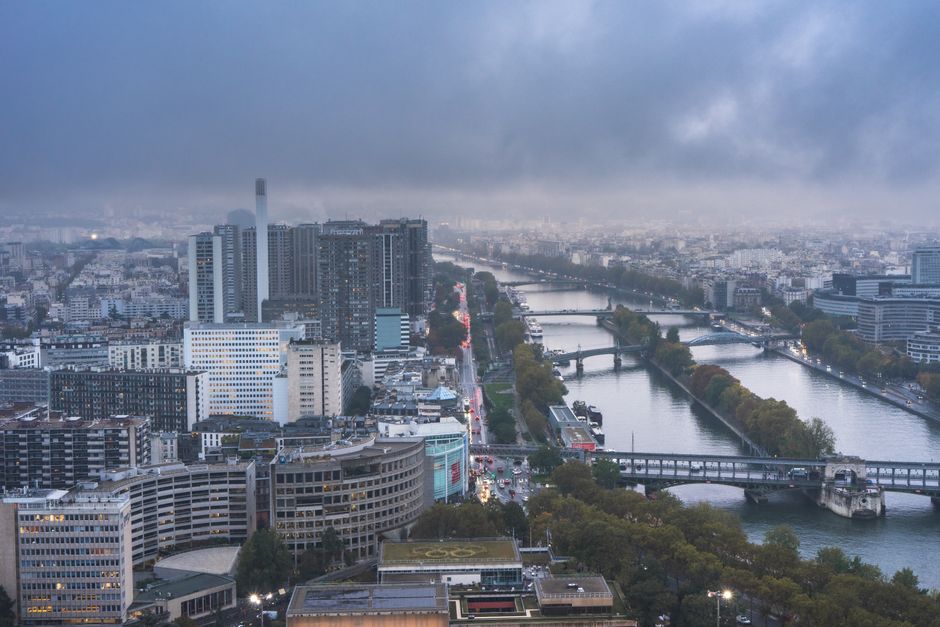
Paris's technology sector is experiencing a notable shift in 2026, as venture capital increasingly flows beyond the city's traditional startup heartlands into emerging neighborhoods and industrial zones. The trend marks a significant moment for France's capital, which is consolidating its position as Europe's second-largest tech hub after London, driven by rising rents in central districts and a deliberate push to decentralize innovation.
The spike in activity is particularly evident in Seine-Saint-Denis, where a cluster of tech companies and incubators have established themselves around the Plaine Saint-Denis industrial area. What was once primarily manufacturing territory is now home to ambitious deeptech startups focused on climate technology and advanced manufacturing. Property prices in the district have risen approximately 12 percent year-on-year, reflecting investor confidence in the neighborhood's transformation.
Meanwhile, the Marais—long synonymous with Paris's tech scene—remains a magnet for established software and fintech firms, though new leasing agreements suggest some consolidation. The neighborhood's iconic position along Rue de Turenne and around Place des Vosges continues to attract international talent, but newcomers increasingly look to emerging alternatives where office space commands lower premiums.
Station F, the world's largest startup campus located in the 13th arrondissement near the Bibliothèque François-Mitterrand, has reported strong resident company growth over the past eighteen months. The 34,000-square-meter complex now hosts over 1,000 startups and continues to serve as a gravitational center for the ecosystem, though competition from distributed working arrangements has subtly reshaped demand.
Institutional support remains robust. The French government's continued backing of innovation through tax incentives and the recently expanded France 2030 investment program has sustained momentum, particularly in sectors including artificial intelligence, biotechnology, and renewable energy. Several emerging accelerator programs in the 11th and 12th arrondissements have begun attracting international cohorts, signaling confidence in Paris's ability to nurture talent outside traditionally prestigious zones.
What distinguishes the current moment is the deliberate spatial diversification happening across the city. Rather than remaining concentrated in heritage neighborhoods with premium real estate costs, Paris's tech community is consciously spreading resources and opportunity across multiple districts. This dispersion—driven equally by economic necessity and strategic planning—suggests the city is entering a more mature, geographically balanced phase of technological development, one that may ultimately strengthen the ecosystem's resilience and inclusivity.
This article was compiled by AI and screened before publishing. See our editorial standards.
How does this story make you feel?
Spread the word
About this article
Published by The Daily Paris
Daily brief
Free, in your inbox before 7am. Weekdays.
More in tech