Paris's Clean Energy Pipeline: What's Coming Next in Green Tech
From next-gen battery labs in the 13th to rooftop hydrogen pilots across the city, here's what's actually launching—not promises, but products hitting the market in the next 18 months.
From next-gen battery labs in the 13th to rooftop hydrogen pilots across the city, here's what's actually launching—not promises, but products hitting the market in the next 18 months.
Paris isn't waiting for 2030 anymore. The city's clean energy sector, concentrated in innovation hubs around Jussieu and the emerging tech corridor near Porte de Versailles, is shifting into execution mode with a wave of tangible products rolling out through 2027.
The most immediate change comes to commuting. Solid-state battery manufacturers, several operating in labs across the 13th arrondissement's growing cleantech cluster, are preparing commercial-scale production by Q4 2026. These next-generation cells promise 40% higher energy density than current lithium-ion alternatives, directly addressing the range anxiety that's plagued Paris's electric micromobility expansion. Early pricing suggests costs will drop to €150 per kilowatt-hour—a threshold that makes electric scooters and cargo bikes genuinely cheaper to operate than petrol alternatives.
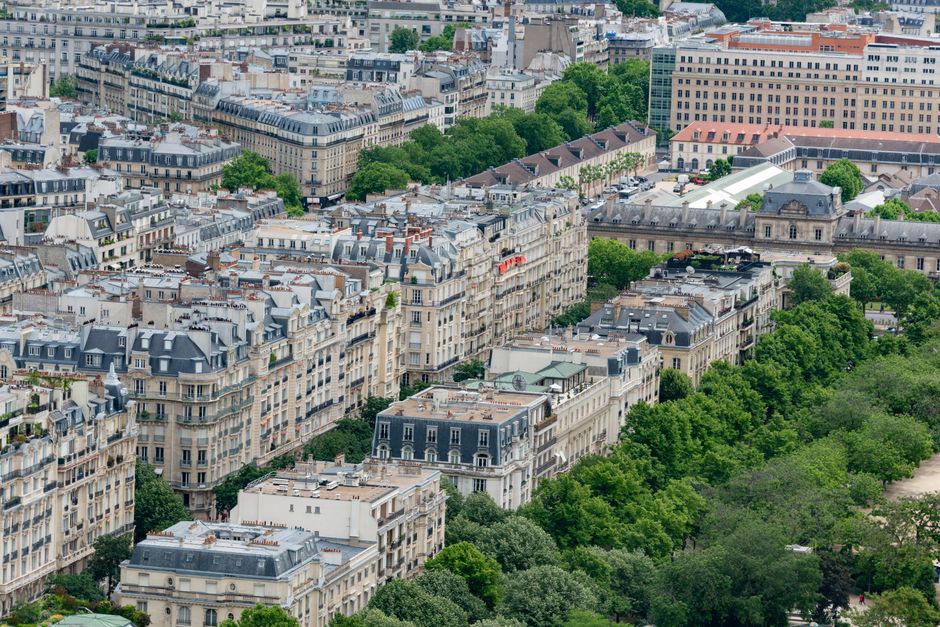
Building-integrated photovoltaics represent the second major shift. Rather than bulky rooftop panels, new semi-transparent solar tiles designed by startups in the Marais innovation district are launching commercial trials on Haussmann buildings around Boulevard Saint-Germain this autumn. The aesthetic integration matters here; Paris's heritage regulations have historically resisted solar deployment. These tiles generate 15-20% of a building's baseline power while maintaining the classical roofline—a compromise that could finally unlock the city's estimated 2.2 million rooftops as micro-generation infrastructure.
Thermal storage systems, less glamorous but equally critical, are entering pilot deployment across three municipal districts. These systems—essentially insulated tanks that store excess heat or cold to reduce grid strain—are being tested in renovation projects in the 20th and 11th arrondissements. If successful, the city plans installation in 500 buildings by 2028, cutting peak energy demand by up to 12%.
Perhaps most intriguingly, hydrogen fuel infrastructure is transitioning from concept to infrastructure. A commercial electrolyzer facility near the La Chapelle freight district is scheduled to launch in early 2027, producing green hydrogen for the city's growing fleet of fuel-cell buses. Transport operators have already ordered 35 units, with deployment starting mid-2027.
The Île-de-France regional government projects these developments will cut the metropolitan area's carbon emissions by 18% by 2028—ambitious, but backed by actual capital deployment rather than rhetoric. The next 18 months will reveal whether Paris's clean energy roadmap translates from laboratory to lived reality.
This article was compiled by AI from the sources linked above and screened before publishing. See our editorial standards.
How does this story make you feel?
Spread the word
About this article
Published by The Daily Paris
Daily brief
Free, in your inbox before 7am. Weekdays.
More in tech