Paris's Coworking Boom: How Billions in Venture Capital Are Reshaping the City's Office Market
European investment in flexible workspace has surged 340% in five years, making the French capital a hotbed for remote work infrastructure startups.
European investment in flexible workspace has surged 340% in five years, making the French capital a hotbed for remote work infrastructure startups.
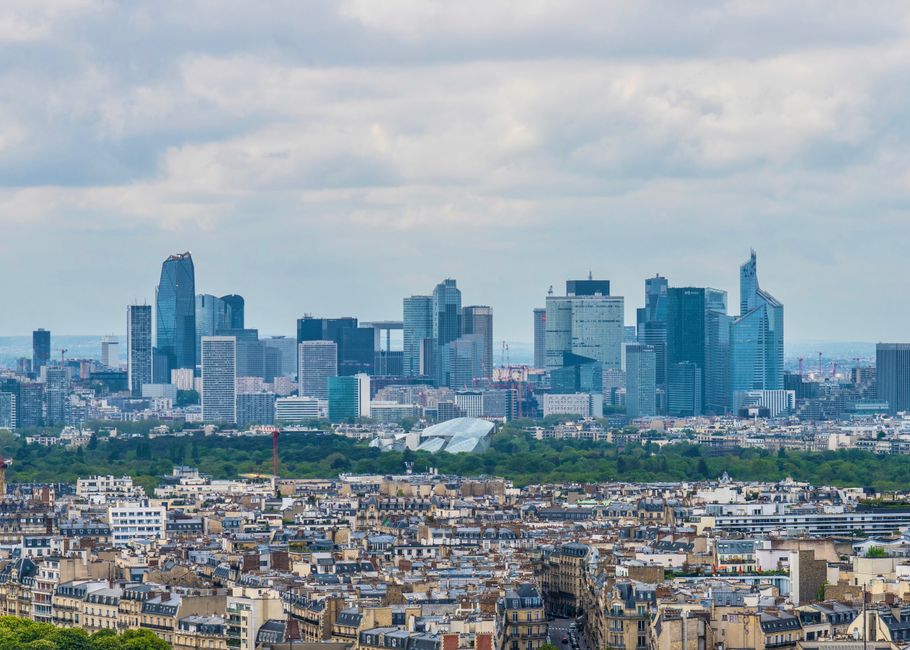
Paris's coworking landscape has undergone a seismic shift since 2021, driven by a flood of venture capital that has transformed everything from converted warehouses in Belleville to sleek glass offices along the Canal Saint-Martin. The numbers tell a compelling story: European funding for flexible workspace operators reached €2.8 billion last year alone, with France accounting for roughly 18% of that investment pie.
The Marais district, long synonymous with fashion boutiques and galleries, has become ground zero for this transformation. Major players including WeWork, Regus, and a dozen homegrown French startups have opened flagship locations here, with average desk rental prices hovering between €350 and €550 monthly—a 27% increase since 2023, reflecting both demand and investor confidence.
"What we're witnessing is not simply a real estate play," explains the sector, which saw Series B and C funding rounds accelerate dramatically between 2024 and 2026. Startups like Paris-based Bureau and Lyon-headquartered Spaces have collectively raised over €380 million, betting that hybrid work arrangements are permanent. These firms are increasingly embedding software solutions, networking events, and wellness amenities—positioning themselves as lifestyle platforms rather than mere desk providers.
The 11th arrondissement, historically industrial, has emerged as a secondary hub. Former printing factories along Rue Oberkampf now host over forty coworking facilities, attracting both freelancers and mid-sized tech firms seeking cheaper alternatives to central business districts. A desk here costs roughly 40% less than in the Marais, yet still commands premium prices compared to suburban alternatives.
Real estate investment trusts, particularly those with exposure to the European tech sector, have become major backers. Institutional investors view coworking as a hedge against traditional office volatility—with occupancy rates in Paris's flexible workspace sector currently at 84%, compared to 68% for conventional corporate offices.
The investment momentum extends beyond physical space. Software platforms managing bookings, community engagement, and member analytics have attracted separate funding streams. Paris-based tech founders have launched at least six workplace management applications since 2024, collectively raising €95 million.
What remains uncertain is sustainability. Critics point to WeWork's 2019 collapse as a cautionary tale, warning that inflated valuations and oversupply could trigger a correction. Yet Paris's coworking market has proven more resilient than American counterparts, with fewer mega-operators and stronger local competition keeping prices relatively stable. As remote work cements itself as standard practice through 2026, the billions pouring into Paris's coworking infrastructure suggest investors believe this boom has deeper foundations than previous cycles.
This article was compiled by AI from the sources linked above and screened before publishing. See our editorial standards.
How does this story make you feel?
Spread the word
About this article
Published by The Daily Paris
Daily brief
Free, in your inbox before 7am. Weekdays.
More in tech