Paris's Clean Energy Pipeline: What's Actually Coming Next
From hydrogen hubs in the 15th to grid-scale battery factories, The Daily Paris maps the green tech roadmap that will reshape the city's energy future.
From hydrogen hubs in the 15th to grid-scale battery factories, The Daily Paris maps the green tech roadmap that will reshape the city's energy future.
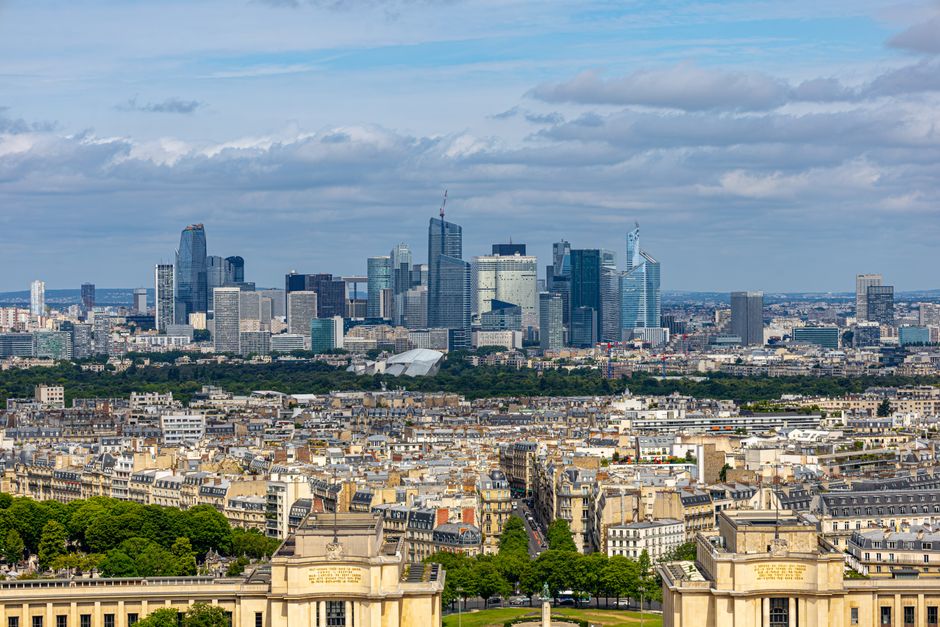
While global headlines dominate energy policy debates, Paris's tech community is quietly building the infrastructure that will define the next decade of sustainability. The city's clean energy pipeline reveals a focused strategy: scaling hydrogen production, deploying advanced battery systems, and retrofitting its aging building stock—not with incremental tweaks, but with technologies that are moving from lab to street level.
The Île-de-France region has announced €1.2 billion in fresh funding for hydrogen infrastructure, with a regional hub launching in the 15th arrondissement by 2028. This facility will produce green hydrogen through electrolysis powered by renewable sources, targeting industrial facilities and eventually heavy transport along the Seine's logistics corridors. It's the kind of project that rarely makes international headlines but represents tangible progress toward decarbonisation.
Battery manufacturing remains critical. SAFT, the lithium-ion specialist based in suburban Nersac, continues expanding its operations to support the European battery supply chain. By 2027, Paris-area facilities are expected to have capacity for 45 gigawatt-hours annually—enough to support roughly 600,000 electric vehicles. The real innovation, however, isn't in lithium-ion alone. Solid-state battery prototypes are entering pre-production phases, promising 50% greater energy density and dramatically shorter charge times.
Building renovation is where the city's ambitions face their stiffest challenge. The Marais, with its 17th-century structures, and blocks around Montmartre represent Paris's thermal efficiency crisis. Developers are piloting AI-driven energy management systems that learn occupancy patterns and optimize heating, cooling, and lighting in real time. Initial deployments across 2,400 residential units show 22% energy reduction, though scaling to the city's 1.2 million buildings requires sustained investment.
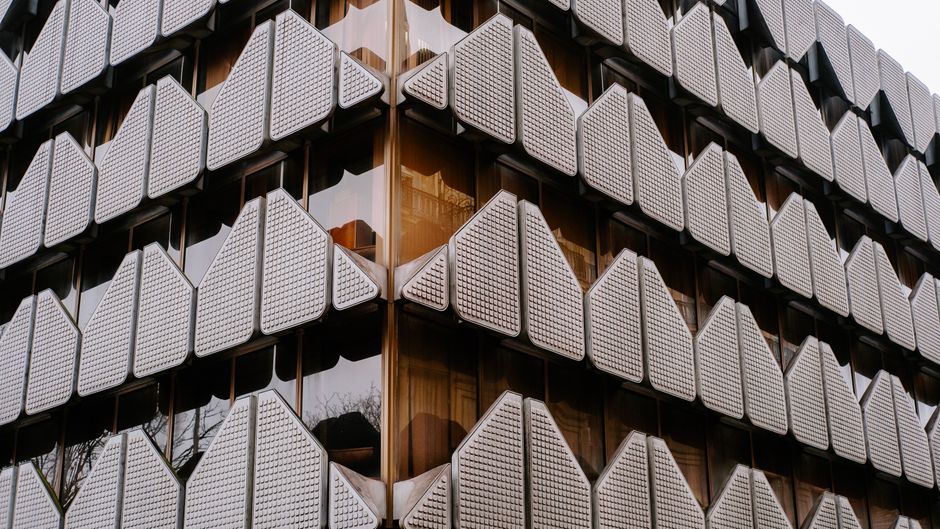
Solar technology is evolving beyond rooftop panels. Photovoltaic glass—transparent panels that generate electricity while maintaining light transmission—is being integrated into renovation projects around the 11th and 12th arrondissements. These systems won't replace traditional panels for efficiency, but they transform building facades into distributed generation assets.
The transport angle is equally vital. Paris's RATP has committed to 100% electric bus fleets by 2032, with prototype routes already operating in the 19th and 20th arrondissements. Charging infrastructure—increasingly powered by renewable sources and supported by smart-grid technology—is expanding across peripheral neighborhoods.
None of this is revolutionary in isolation. Together, it reflects a deliberate shift: from aspirational green targets toward executable infrastructure. The next 18 months will determine whether Paris can bridge the gap between promise and practical deployment.
This article was compiled by AI from the sources linked above and screened before publishing. See our editorial standards.
How does this story make you feel?
Spread the word
About this article
Published by The Daily Paris
Daily brief
Free, in your inbox before 7am. Weekdays.
More in tech