Paris Tech Giants Map Out 2027-2028 Innovation Roadmap: What's Coming Next
From AI breakthroughs to sustainable hardware, the city's leading innovation hubs are unveiling ambitious product pipelines that could reshape European tech.
From AI breakthroughs to sustainable hardware, the city's leading innovation hubs are unveiling ambitious product pipelines that could reshape European tech.
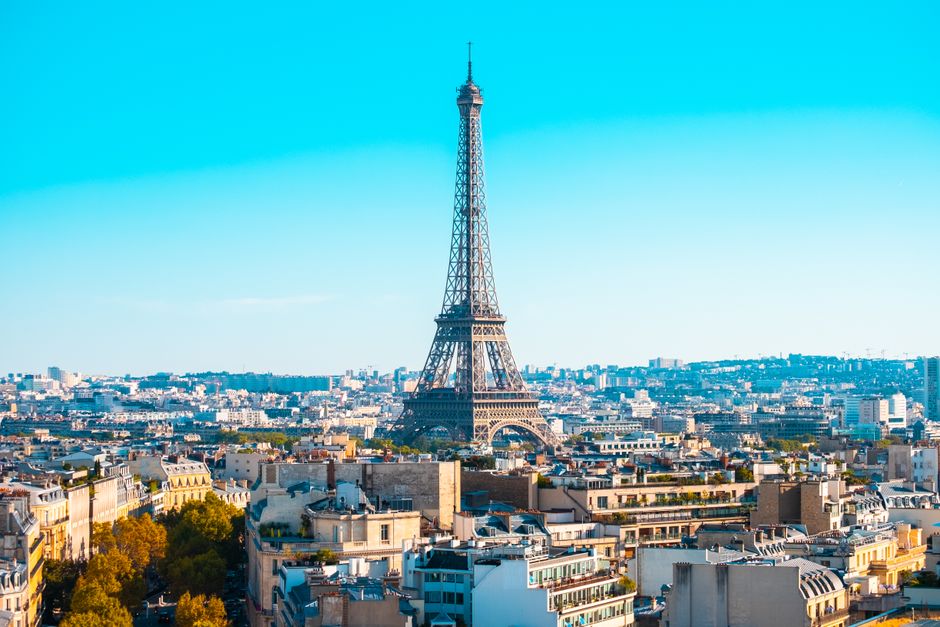
Paris's tech ecosystem is entering a pivotal phase. As major players from the Station F campus to emerging startups across the Marais prepare their next-generation offerings, industry insiders are signalling a clear shift towards AI-integrated consumer products and climate-conscious hardware—a departure from the venture-heavy speculation of recent years.
Station F, Europe's largest startup campus in the 13th arrondissement, has become the staging ground for approximately 40 companies actively developing products for 2027-2028 launches. Industry analysts tracking the ecosystem note an emphasis on enterprise AI tooling and vertical-specific solutions rather than generalised chatbots. Several firms are targeting €2-5 million Series A rounds to fund final development phases, according to recent funding data compiled by local venture networks.
The broader Paris tech narrative has shifted noticeably. Where previous roadmaps emphasised rapid scaling and market disruption, today's announcements prioritise environmental impact and regulatory alignment. Companies headquartered or operating from the 10th and 11th arrondissements—traditionally home to design-forward tech firms—are now integrating circular economy principles into product architecture. One mid-stage company developing IoT solutions for building management plans a full product line redesign by Q3 2027 to meet the EU's stricter electronic waste standards.
Hardware innovation is experiencing particular momentum. Deep-tech firms clustered around the Institut de l'Innovation et de l'Entrepreneuriat on the Left Bank are advancing quantum-adjacent computing applications and next-generation battery technologies. While timelines remain ambitious, the sector's maturation suggests realistic delivery schedules—a marked contrast to unfulfilled promises from 2023-24.
Software development trajectories reveal another trend: hyperspecialisation. Rather than platform-building, companies are targeting niche professional sectors—legal tech, healthcare logistics, industrial automation—where competitive moats are defensible and regulatory frameworks are evolving predictably.
The economic backdrop matters. French government innovation tax credits and EU Horizon Europe funding have enabled longer development cycles than purely venture-dependent models would allow. This structural advantage is visible in the ambition level of announced roadmaps.
Attendance at Paris tech events—from smaller quarterly pitch nights in the Sentier district to larger conferences at Palais Omnisports de Paris-Bercy—suggests sustained investor interest despite global macroeconomic uncertainties. Product announcements scheduled for autumn 2026 and spring 2027 conferences are expected to crystallise the direction of European tech for the next business cycle.
The city's position as a innovation bridge between Silicon Valley's momentum and European regulatory pragmatism appears solidifying. What emerges from these roadmaps will likely define competitive advantage for the remainder of the decade.
This article was compiled by AI from the sources linked above and screened before publishing. See our editorial standards.
How does this story make you feel?
Spread the word
About this article
Published by The Daily Paris
Daily brief
Free, in your inbox before 7am. Weekdays.
More in tech