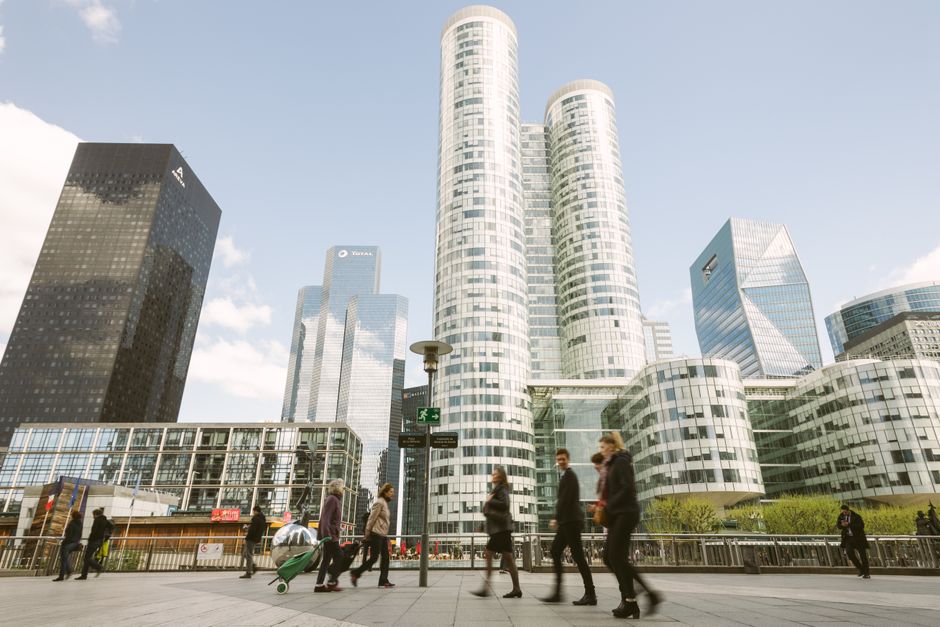
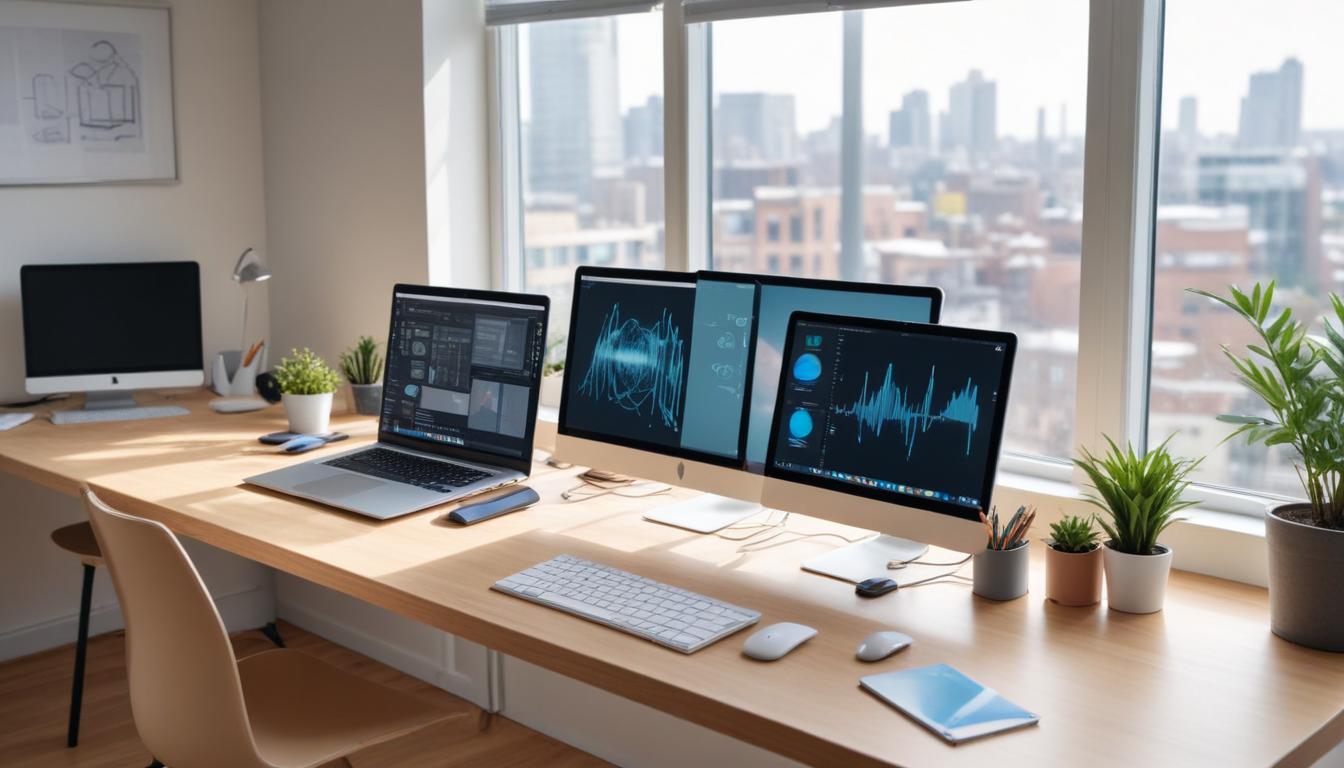
Why Paris's Hybrid Work Culture Is Reshaping Global Tech Talent Strategy
As remote work matures, Paris's distinctive blend of lifestyle, regulation and innovation is becoming a model that Silicon Valley can't replicate.
As remote work matures, Paris's distinctive blend of lifestyle, regulation and innovation is becoming a model that Silicon Valley can't replicate.
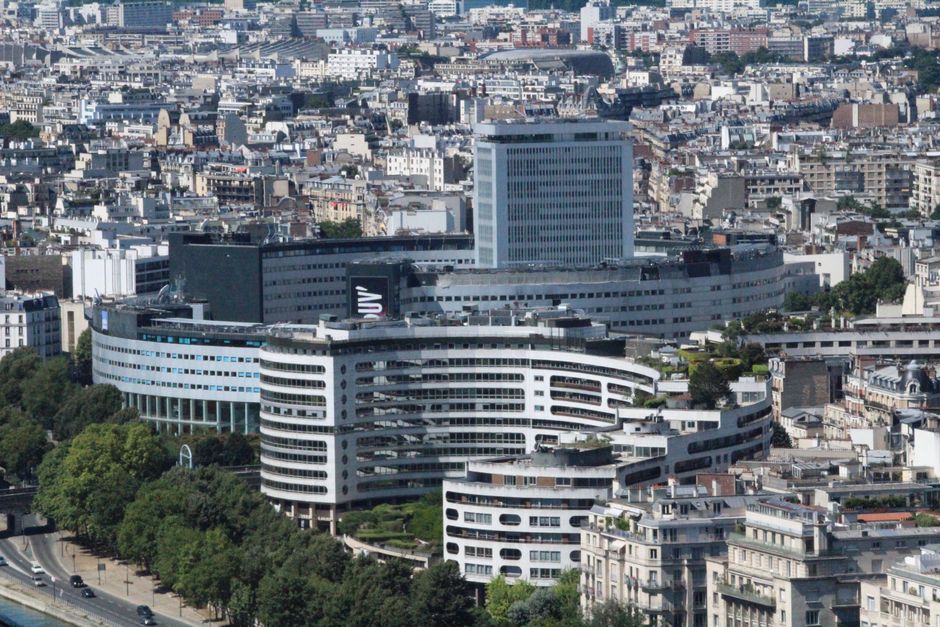
Walk through the Marais on a Tuesday morning and you'll spot the unmistakable rhythm of Paris's evolving tech culture: freelancers hunched over laptops at sidewalk cafés, startup founders cycling to meetings in the 11th arrondissement, and a growing constellation of coworking spaces that look nothing like the sterile glass boxes of Austin or Berlin.
This isn't accidental. Paris has quietly become Europe's most interesting laboratory for rethinking remote work—and the model emerging from the city's neighbourhoods is genuinely distinctive on a global stage.
The numbers tell part of the story. Since 2021, membership at major coworking operators across Paris has grown 34 percent, according to industry surveys. But what matters more is where these spaces cluster and who uses them. Unlike tech hubs that centralised around a single district, Paris distributed its workspace ecosystem across République, Canal Saint-Martin, and Belleville—deliberately maintaining the character that makes the city habitable. Monthly desk rental runs €400-600 in premium locations, roughly 40 percent less than equivalent London addresses, yet Paris attracts multinational talent at comparable rates.
The real differentiator, though, is regulatory environment. France's 35-hour working week and mandatory right-to-disconnect laws fundamentally changed how global companies approach their Paris operations. Rather than fight these constraints, forward-thinking tech firms—including major AI research labs and fintech operations—embraced them. The result: a work culture that treats remote flexibility not as a perk but as infrastructure for sustainable productivity.
Station F, the sprawling innovation campus in the 13th, houses over 1,000 startups and serves as a physical anchor for this ecosystem. But its real significance isn't size—it's philosophy. The venue deliberately integrated restaurants, exhibition spaces, and residential accommodation, treating work as embedded in daily life rather than cordoned off from it.
This integration extends to how Paris companies recruit globally. Candidates routinely negotiate four-day weeks or Tuesday-to-Thursday office schedules, arrangements that would perplex traditional tech employers elsewhere. The implicit bargain: accept modest salaries by San Francisco standards, but gain time and space for the kind of creative thinking that produced much of modern cryptography and machine learning theory.
As companies worldwide grapple with post-pandemic work structures, Paris's model offers a genuine alternative to both rigid office culture and boundless remote chaos. It suggests that the future of work isn't purely about location flexibility—it's about building ecosystems where work coexists with the conditions that make human flourishing possible. That's a distinction that matters far beyond the Seine.
This article was compiled by AI from the sources linked above and screened before publishing. See our editorial standards.
How does this story make you feel?
Spread the word
About this article
Published by The Daily Paris
Daily brief
Free, in your inbox before 7am. Weekdays.
More in tech